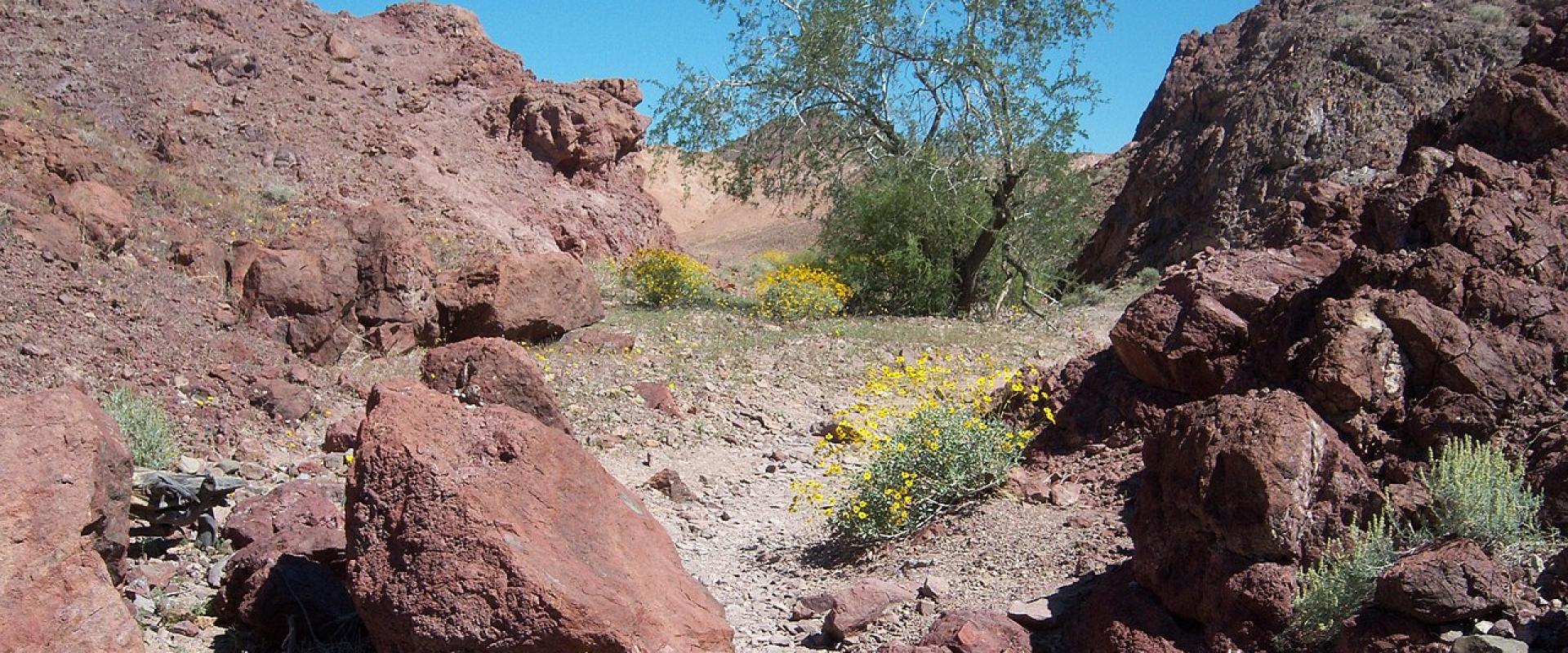
Imperial National Wildlife Refuge
Thirty miles of Colorado River backwaters north of Yuma, including the river's last unchannelled stretch before Mexico
- Admission
- Free (USFWS, 2026).
- Hours
- Headquarters office Monday-Thursday 8 a.m.-4:30 p.m., Friday 8 a.m.-3:30 p.m. Visitor cent...
- Where
- Yuma, Lake Havasu & Colorado River
- Directions
- Directions
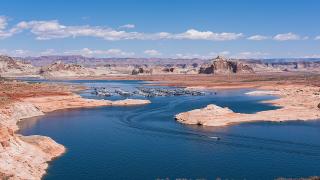
Imperial National Wildlife Refuge was created by Executive Order 8685 on February 14, 1941, three years after Imperial Dam was finished on the river north of Yuma. The water stored behind the dam spread into backwaters and marshes along the river, and those wetlands drew migratory birds. The refuge now covers 25,768 acres along 30 miles of the lower Colorado on both the Arizona and California banks, including the last unchannelled section of the river before it enters Mexico. More than 15,000 acres are federally designated wilderness: 9,220 acres in Arizona from 1990 and another 5,836 in California from 1994.
It is a green strip in very dry country. The refuge notes that summer temperatures reach 120°F and the average rainfall is two inches a year, so for many animals the river is the only water for miles. Wetland birds are most plentiful in winter, when ducks such as cinnamon teal and northern pintail arrive; great egrets are common in summer. Desert bighorn sheep and mule deer live in the surrounding hills, and coyotes are among the animals seen on the trails. Dawn and dusk are the best times to look.
Start at the visitor center, open from November to March, where staff and volunteers help plan a visit. There is a 10-minute orientation video, live native fish on display, exhibits, maps and brochures, and an observation platform outside. The Meers Point Trail runs 0.8 miles one way on gravel from the visitor center to the Meers Point recreation area, which has restrooms, picnic tables and a boat launch. About three miles north on Red Cloud Mine Road, the 1.3-mile Painted Desert Trail passes colourful volcanic ash formations about 30,000 years old, with a wide view over the Colorado River valley.
The refuge allows wildlife watching, hiking, photography, fishing, hunting, motorized and non-motorized boating, picnicking, dog walking and horseback riding. Overnight camping is not permitted. Bring plenty of water, sunscreen and insect repellent; summer heat here is extreme, while winters are mild.
Getting there takes time. From Highway 95 the route runs about 10 miles west on Martinez Lake Road, then three miles north on Red Cloud Mine Road following brown signs. There is no fee.
Categories
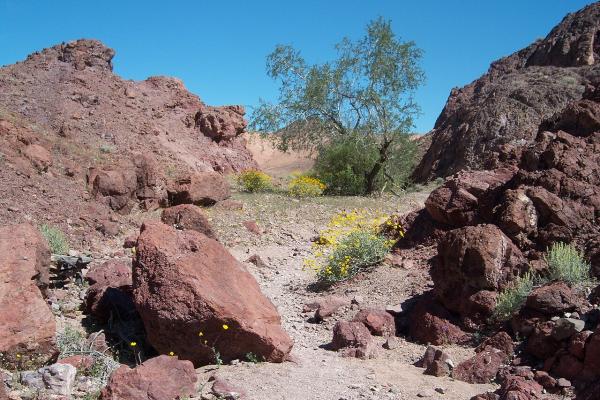
More photos coming soon
Hours & Fees
- Open
- Headquarters office Monday-Thursday 8 a.m.-4:30 p.m., Friday 8 a.m.-3:30 p.m. Visitor center November 1-March 31, Friday-Sunday 10 a.m.-4 p.m. Closed federal holidays (USFWS, 2026).
- Admission
- Free (USFWS, 2026).
Hours and prices change, especially out of season. Check with the venue before you go.
Nearby Attractions
Other places to visit in Yuma
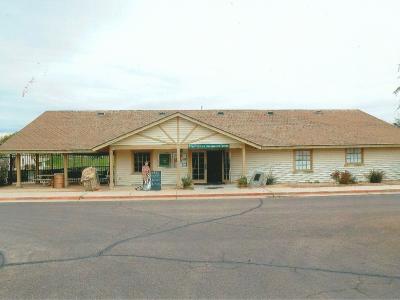
Colorado River State Historic Park
The Army's 1864 Yuma Quartermaster Depot, with steamboat, wagon and irrigation exhibits in five original buildings
From $7 Historic Sites · Historic Buildings
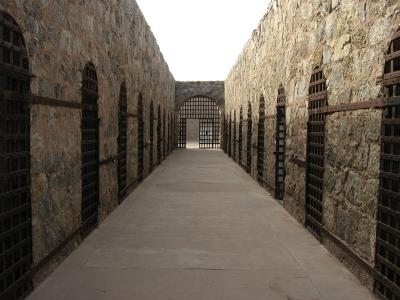
Yuma Territorial Prison State Historic Park
Arizona Territory's first prison, 1876 to 1909: strap-iron cells and a dark cell on a bluff above the Colorado
From $7 Historic Sites · Museums
Questions people ask
Quick Facts
Best Time to Visit
November to March. From April through October the temperature reaches 100°F on most days, and in July and August on almost every day.