
Chinle
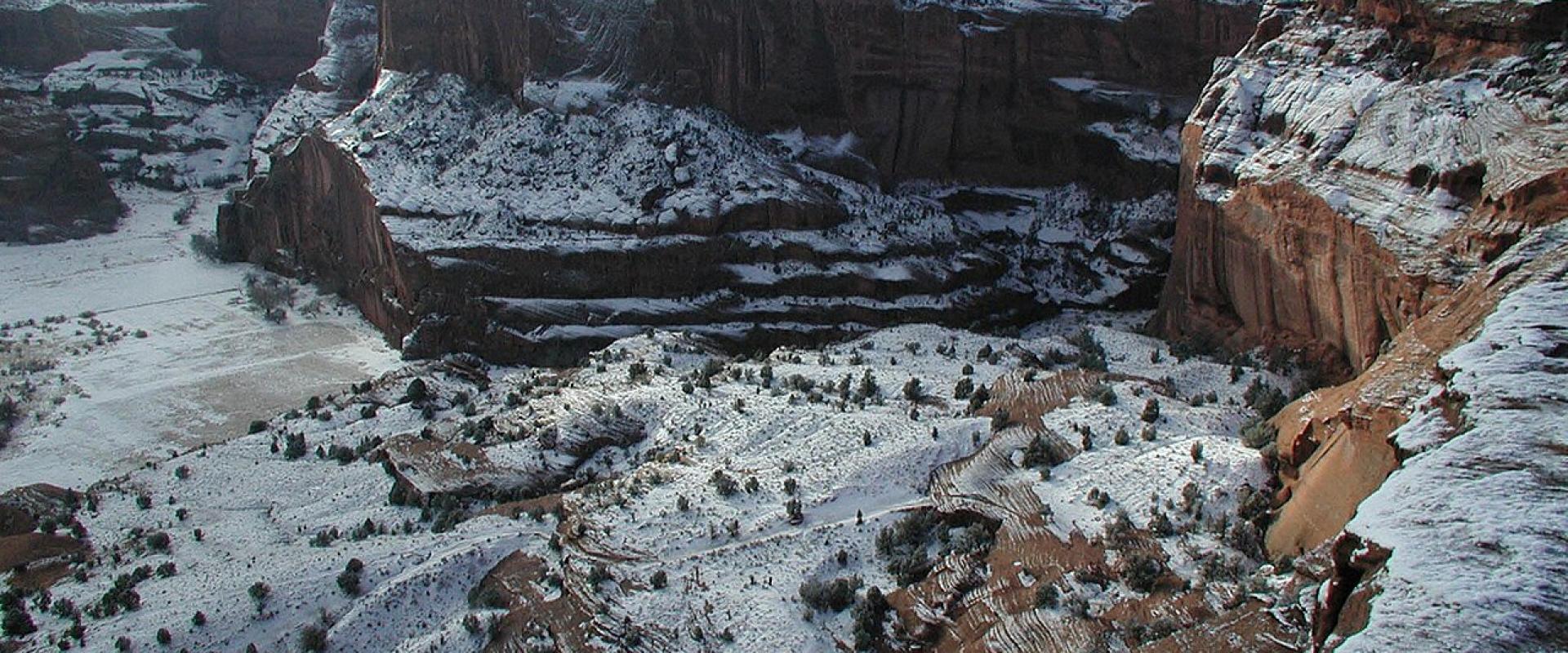
Navajo town at the mouth of Canyon de Chelly, where families still farm the canyon floor
History The National Park Service says people have lived in these canyons for more than 4,000 years. Ancestral Puebloan farmers built pit houses and later masonry villages in the alcoves, and they left in the mid-1300s. Hopi people then farmed corn and peaches in the canyons. Navajo families have raised crops and livestock here for generations, and their farms and hogans are visible from the rims. The canyon also carries painful history. In 1805 a Spanish force under Lt. Antonio Narbona attacked Navajos in the canyon. In 1863 troops sent by Kit Carson destroyed hogans, orchards and crops. That campaign led to the Navajo surrender and the forced removal to Bosque Redondo in New Mexico. President Herbert Hoover authorized the national monument in 1931. It covers about 84,000 acres, all of it Navajo Nation land, and the Park Service and the Navajo Nation manage it together.
What to See The South Rim Drive has seven overlooks. The Park Service suggests allowing about two hours, and afternoon light is best. The drive ends at Spider Rock Overlook, above a 750-foot sandstone spire. The North Rim Drive has three overlooks, including Antelope House, and takes about two hours. It is best in the morning. The White House Trail drops about 600 feet from its overlook to the White House ruin on the canyon floor. It is 2.5 miles round trip, and it is the only trail you may walk without a guide. Park Service pages updated in late October 2026 list it as open with no fee, but an older park page still says it is closed. Check with the park before you go. To go deeper, hire one of the Navajo tour operators the tribe lists. They lead trips into the canyon on foot, on horseback or by vehicle. Each visitor also needs a $15 Park Service backcountry permit per tour, issued at the Navajo Parks and Recreation office by Cottonwood Campground.
Rules and Practicalities Drones are not allowed in the monument. Rock climbing and scattering ashes are banned on tribal land. Off-road driving is not permitted. The tribe says RVs may not go into the canyon itself; park and join a guided tour instead. Pets on a leash are welcome at the overlooks but not on canyon tours. Cottonwood Campground, run by the Navajo Nation half a mile south of the Welcome Center, takes tents and RVs. It costs $30 a night, first come, first served, with no showers or hookups. National park passes are not accepted for its fees.
When to Go Canyon de Chelly is busiest in June and July, but the rim drives and overlooks are open all year. The Welcome Center is open daily from 8 a.m. to 5 p.m. and closes on Thanksgiving, Christmas and New Year's Day. In severe weather it may open late or not at all. Restrooms on the rim and in the canyon may close for the winter. The Park Service warns that rain can bring waterfalls, rockfall and flash floods, and it asks visitors to stay on paved roads and off dirt roads in bad weather.
Time and Getting There Chinle is on Navajo time. From March to November it is an hour ahead of the rest of Arizona. From Flagstaff, take I-40 east and US 191 north, about 209 miles. Kayenta is about 68 miles northwest via US 191 and State Route 59, Hubbell Trading Post about 36 miles south, and Window Rock about 67 miles. The Park Service says not to approach from the east on Route 7, which is unpaved between Sawmill and the Spider Rock turnoff.
Best time to visit
Late spring and fall. Canyon de Chelly's visits peak in June and July, when the Park Service advises avoiding the White House Trail between 10 a.m. and 4 p.m. Rain can bring flash floods and rockfall at any time of year.
What to see in Chinle
Our picks first.
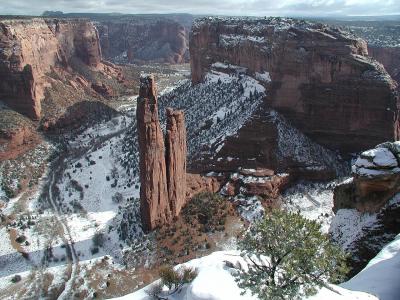
Spider Rock Overlook
The last stop on Canyon de Chelly's South Rim Drive, above a 750-foot sandstone spire
Free National Parks · Natural Wonders
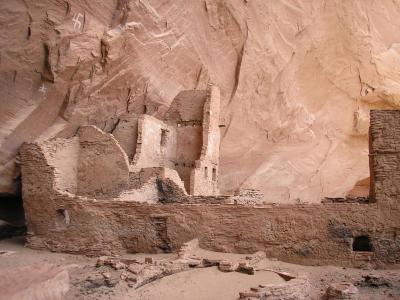
Antelope House Overlook
North Rim view down to a canyon-floor village named for its painted antelope
Free National Parks · Scenic Drives
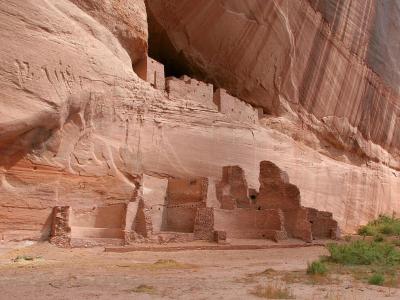
White House Trail
The one trail into Canyon de Chelly you can walk without a guide, down to an 11th-century village
Free National Parks · Hiking Trails
Chinle by interest
The same sights, grouped by what you came for.
Did you know?
Checked facts about Chinle, each with its source.
-
Trivia
About 40 families still live inside Canyon de Chelly
Canyon de Chelly National Monument, authorized by President Herbert Hoover in 1931, covers about 84,000 acres entirely on Navajo Nation land. Roughly 40 families live within its boundaries.
Source: National Park Service -
Sports
Chinle's high school gym seats at least 6,000 fans
Chinle High School's basketball arena, the Wildcat Den, is home to the Chinle Wildcats' rez ball games. Reports put its capacity at between 6,000 and 7,500 seats.
Source: Cronkite News (via Indianz.com)
Planning a visit to Chinle
Good to know
- Currency
- USD
- Language
- English
Quick Facts
Book your stay
Questions people ask
More places in Page & Monument Valley
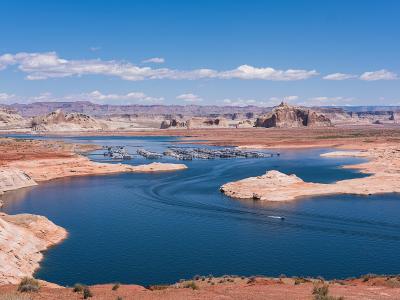
Page & Monument Valley
Page
Dam town on Manson Mesa, gateway to Lake Powell, Horseshoe Bend and Antelope Canyon
Page & Monument Valley
Kayenta
Navajo Nation township at the junction for Monument Valley and Navajo National Monument
Page & Monument Valley
Marble Canyon
A roadside hamlet at Navajo Bridge, beside Lees Ferry and below the Vermilion Cliffs
Page & Monument Valley
Window Rock
Capital of the Navajo Nation, named for a sandstone arch above the council chamber