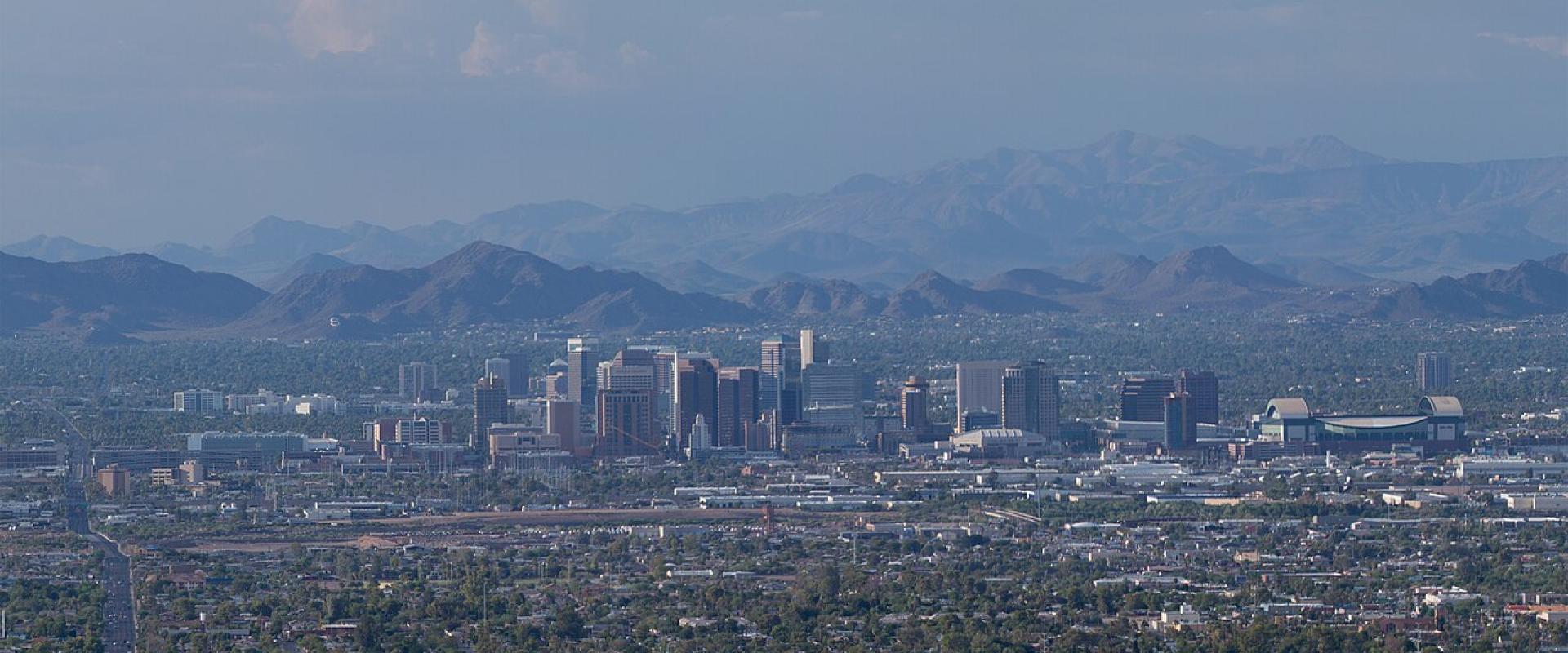
Phoenix
State capital with Hohokam canals, Indigenous art, a world of instruments and very serious summers
Before the city S'edav Va'aki was settled around AD 500 and occupied for more than 1,000 years, and its 2/3-mile trail passes a platform mound and full-size replica houses. The City of Phoenix has looked after the site since 1929. Under its old name, Pueblo Grande Museum, you will still see it in older guidebooks and maps; it took its current name in 2023. The land that the Heard Museum stands on is within the homeland of the Akimel O'otham, descendants of those village builders, and the museum says so in its own history.
Museums The Heard opened in 1929 and now has 12 galleries of American Indian art, with free docent tours several times a day. Its World Championship Hoop Dance competition takes place in February and its Indian Fair & Market in March. The Musical Instrument Museum, in the far north of the city by Loop 101, holds more than 7,500 instruments from more than 200 countries and territories, and headsets play the sound of each exhibit as you walk up. Most guests spend about three hours there. Timed tickets are in force through April 30, 2027.
Desert and hiking The Desert Botanical Garden, set among the Papago Buttes, has five trails across 55 cultivated acres. For real hiking, South Mountain Park/Preserve has more than 100 miles of trails, and you can also drive up Summit Road to Dobbins Lookout at 2,330 feet. Camelback Mountain, with its Echo Canyon and Cholla trails, and Piestewa Peak in the Phoenix Mountains Preserve are the other well-known climbs. North Mountain Park is due to close for renovation from December 2026 to early 2028, though other Phoenix Mountains Preserve trailheads stay open.
Heat rules Take them literally. On days when the National Weather Service issues an Extreme Heat Warning, the city closes the Echo Canyon and Cholla trails, the Piestewa Peak Summit trail and associated trails, and South Mountain's Holbert, Mormon and Hau'pal Loop trails, plus access to the National Trail from Pima Canyon, from 8 a.m. to 5 p.m. Older articles give other hours; they are out of date. In 2024 the city had 45 closure days between May 1 and October 13, and 121 days reached 105°F or more. More than 200 hikers are rescued from Phoenix's mountain parks every year. The monsoon, officially June 15 to September 30, adds storms and flash floods. Rain is otherwise scarce: Sky Harbor averages only about 7 inches a year.
Getting around Phoenix Sky Harbor International Airport is right next to S'edav Va'aki, which is minutes from downtown and can be reached by light rail and Sky Train. The Heard has its own stop at Encanto/Central on the light rail line. The Desert Botanical Garden, the Musical Instrument Museum and South Mountain all have parking, and the last two are easiest by car. Arizona does not use daylight saving time, so Phoenix stays on Mountain Standard Time all year.
When to go October to April is the comfortable window. The Desert Botanical Garden's Las Noches de las Luminarias is a holiday-season tradition dating to 1979, and spring brings the arts and dance events at the Heard. In July and August, hike at dawn if at all, and check each venue's hours: S'edav Va'aki, for one, runs a shorter schedule in those months.
Best time to visit
October to April for hiking and outdoor sights; February and March for the Heard Museum's major events. Avoid midday outdoor plans from May to September.
What to see in Phoenix
Our picks first.
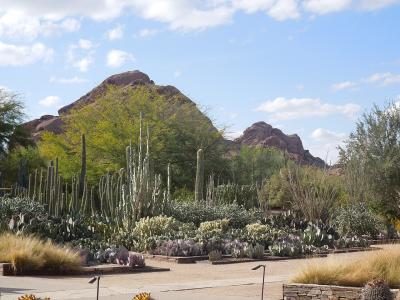
Desert Botanical Garden
140 acres in the Papago Buttes, with one of the world's great cactus and agave collections
From $14.95 Museums · Natural Wonders
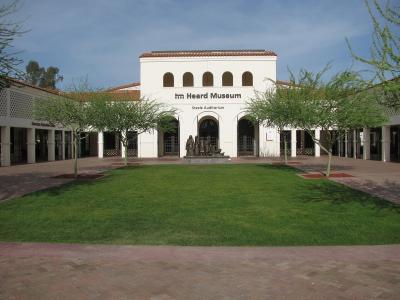
Heard Museum
American Indian art in 12 galleries, told from a first-person perspective since 1929
From $5 Museums · Native American Heritage
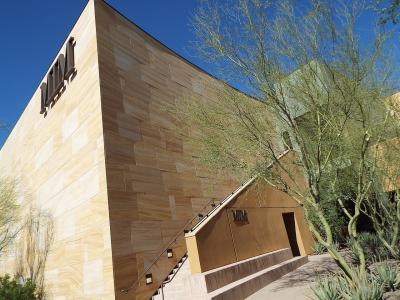
Musical Instrument Museum
More than 7,500 instruments from over 200 countries and territories, with sound at every exhibit
From $4 Museums
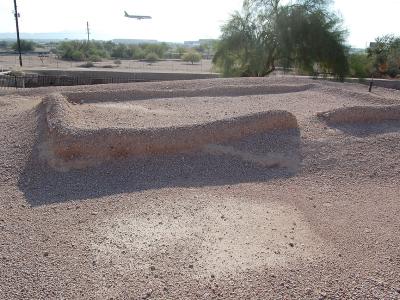
S'edav Va'aki Museum
A 1,500-year-old village site and Hohokam canals beside Sky Harbor, formerly Pueblo Grande Museum
From $6 Historic Sites · Museums
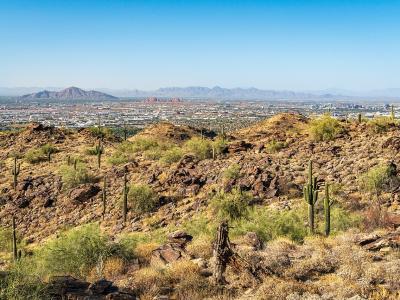
South Mountain Park/Preserve
More than 16,000 acres and 100 miles of trail on the city's southern edge; heat rules apply
Outdoor Recreation · Hiking Trails
Phoenix by interest
The same sights, grouped by what you came for.
Did you know?
Checked facts about Phoenix, each with its source.
-
Name Origin
Phoenix is named for rising from Hohokam ruins
Darrell Duppa suggested the name Phoenix because the new town would spring from the ruins of an earlier civilization. The Hohokam had built an irrigation system of some 135 miles of canals in the valley.
Source: City of Phoenix -
History
Arizona's first skyscraper is the Heard Building
The City of Phoenix's own history, describing the city around 1920, names the Heard Building as Arizona's first skyscraper.
Source: City of Phoenix -
Record
Phoenix hit 110°F for 31 straight days
In July 2023 Phoenix recorded 31 consecutive days at or above 110°F, ending when the high reached only 108°F on July 31. The previous record was 18 straight days, set in 1974.
Source: Associated Press
Planning a visit to Phoenix
Itineraries that include Phoenix
Good to know
- Currency
- USD
- Language
- English
Quick Facts
Book your stay
Questions people ask
More places in Phoenix & Superstition Mountains
Phoenix & Superstition Mountains
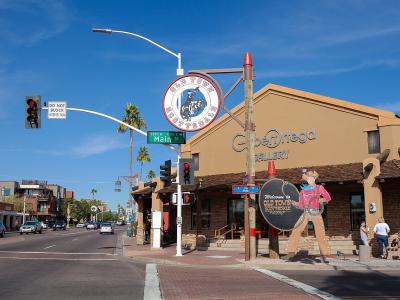
Scottsdale
Old Town galleries, Frank Lloyd Wright's desert camp and a huge protected preserve
Phoenix & Superstition Mountains
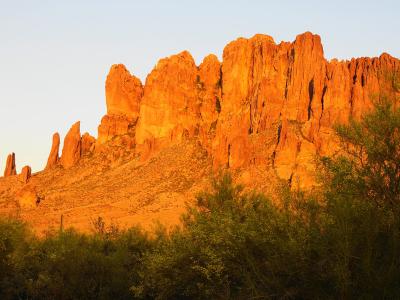
Apache Junction
East-valley town at the foot of the Superstitions and the start of the Apache Trail
Phoenix & Superstition Mountains
Payson
Pine-country town below the Mogollon Rim, near a giant travertine bridge and Fossil Creek