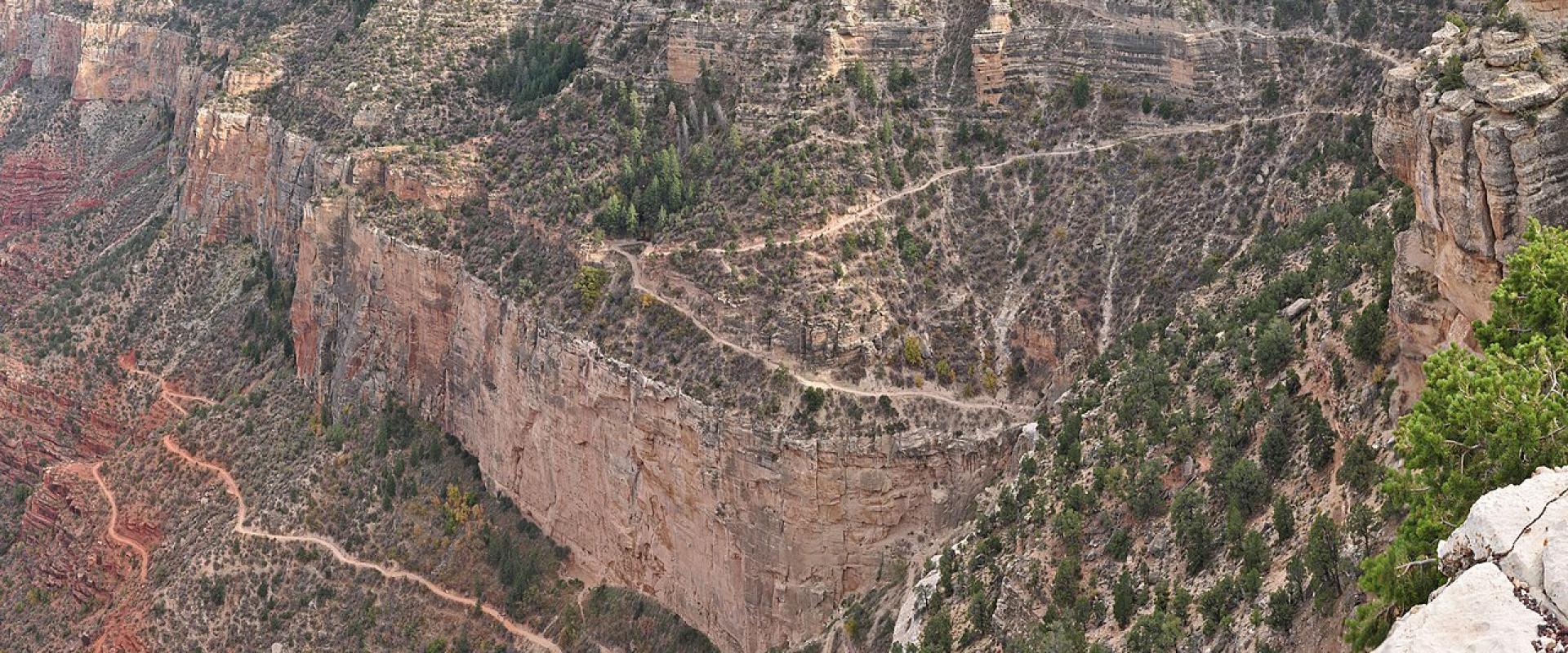
Packing for Arizona means packing for two climates and long distances. Tucson averages a January high of 67 °F while January nights near the Grand Canyon's South Rim average 16 °F, and on many routes the next shop, fuel station or water tap is an hour away. This list is built from what the National Park Service, the Havasupai Tribe and the Hopi Cultural Preservation Office tell visitors to bring.
Water and food
- Water: Organ Pipe Cactus National Monument recommends at least one gallon per person per day, plus extra gallons in the car. Carry it even on short walks; there is no water on the Horseshoe Bend trail and little shade.
- Electrolytes: the Grand Canyon's Hike Smart page lists plain water plus "some form of electrolyte replacement".
- Salty snacks: NPS suggests pretzels, crackers and chips, and eating about twice what you normally would on a canyon hike.
- Water treatment: in winter 2026-27 the water stations on the Bright Angel Trail are off, and NPS tells all inner-canyon hikers to carry a reliable filter or treatment method.
- South Rim day visits: the park is under Stage 4 water restrictions and asks visitors to bring their own drinking water. Potable water is available in tanks at the Bright Angel and South Kaibab trailheads.
Sun protection
NPS gives the same advice at Organ Pipe and the Grand Canyon:
- A hat and plenty of sunscreen, reapplied through the day; Organ Pipe says to apply it even under clothing.
- Light-coloured, long-sleeved shirts and long trousers.
- In the inner canyon, NPS recommends cotton clothing you can soak with water to stay cool, plus a bandana or hat to wet.
Layers for the rims and the plateau
The South Rim is at 7,000 feet, and NOAA's averages put January nights at the nearby airport around 16 °F. Even in summer, NPS gives South Rim highs "generally in the 80s", and nights are much cooler.
- Warm layers at any time of year for sunrise and sunset viewpoints.
- Rain jacket or poncho from mid-July to early September, the peak of the canyon's thunderstorm season.
- Winter: NPS recommends layered clothing for cold, rain, wind and snow, and over-the-shoe traction devices and hiking poles for icy trails and walkways.
Day-hike kit
From the Grand Canyon's list of summer hiking essentials:
| Item | Why NPS lists it |
|---|---|
| Water and electrolytes | Hikers can lose one to two quarts an hour |
| Salty, high-energy food | Balances water intake |
| First aid kit | Blister care, bandages, ace wrap, antibiotic ointment |
| Map | Even on well-marked trails |
| Sturdy, broken-in footwear | Rocky, steep, uneven ground |
| Flashlight and spare batteries | "Don't rely on your cell phone as a light source" |
| Spray bottle, bandana or towel | For cooling off |
| Hat, sunscreen, sun layers | Sun exposure |
| Whistle or signal mirror | Emergencies |
| Waterproof jacket | Monsoon storms |
In the desert, Organ Pipe adds a large-tooth comb or pliers for removing cholla spines, and recommends boots and long trousers against spines and snakes.
In the car
- Extra water, several gallons in summer.
- A full tank: the Grand Canyon advises keeping your tank full because the next station may be far away. Near Havasupai, the tribe says to start Indian Road 18 with fuel for at least 200 miles.
- A spare car key: NPS says it could be a long wait for a locksmith at the Grand Canyon.
- Offline maps and a paper map: GPS and phone service are unreliable on the Navajo Nation.
- Sand planks and cold-weather gear if you plan to drive Organ Pipe's dirt roads, where vehicles can get stuck.
- Never leave pets or children in the car.
Havasupai
The Havasupai Tribe's recommended list for its 4-day, 3-night permits to Havasu Falls:
- A comfortable, well-fitting backpack; if you use a pack mule, put it in a soft duffel bag (soft-sided only, up to 32 pounds per bag, nothing hanging off the outside, no coolers).
- A hydration day pack.
- Sun protection: long sleeves, long trousers and a sun hat.
- Lightweight tent or hammock and a sleeping pad. The tribe does not sell or rent camping gear.
- A bear canister and odour-proof bags. There are no bears, but rodents will chew through packs and tents.
- Trekking poles and a headlamp, ideally with a red light.
- A battery pack or solar charger: there is no electricity in the campground.
- A water filter: drinking water is available in Supai and from a spring in the campground; treat everything else.
- Food for the whole trip, and your photo ID and licence plate number for check-in.
- Pack out everything you bring in; the tribe can fine visitors up to $1,000 for leaving trash or gear.
By season
- Summer (May to September): NPS urges caution for inner-canyon hikers throughout these months. Pack for a pre-dawn start and a late-afternoon finish, which the Grand Canyon recommends in place of hiking between 10 a.m. and 4 p.m.: a headlamp or flashlight, electrolytes, salty food and something to soak and wear. Add a rain layer from mid-July.
- Spring and autumn: the biggest day-night swings. NOAA's April averages for Flagstaff are a high of 59 °F and a low of 28 °F, so a warm jacket and hat belong in the bag even when the afternoon is mild.
- Winter: warm layers, gloves and traction devices for the rims, where January averages are 44 °F by day and 16 °F at night. In the low desert, Organ Pipe puts winter lows at 30 to 40 °F, so bring a warm layer for evenings there too.
What to wear on tribal land
The Hopi Cultural Preservation Office asks visitors at ceremonies to dress as they would for a wedding, with long trousers or skirts rather than shorts, and to bring warm layers for evenings because desert temperatures swing widely. Leave drones at home for any tribal park: the Navajo Nation and the Havasupai Tribe both ban them.
What not to pack
- Drones for national parks, Horseshoe Bend, Navajo tribal parks or Havasupai (all prohibited).
- Alcohol onto the Navajo Nation or the Havasupai Reservation (both prohibit it).
- Firearms onto Navajo tribal lands.
- Pets to Havasupai or the Navajo tribal parks.
Details checked 6 November 2026.