Tucson & Saguaro
Giant cactus forests, Spanish colonial missions and borderland desert
- 3 destinations
- 11 attractions
About Tucson & Saguaro
Tucson and the desert around it: the two districts of Saguaro National Park, the Santa Cruz Valley missions and presidio to the south, and the organ pipe country of the far southwest.
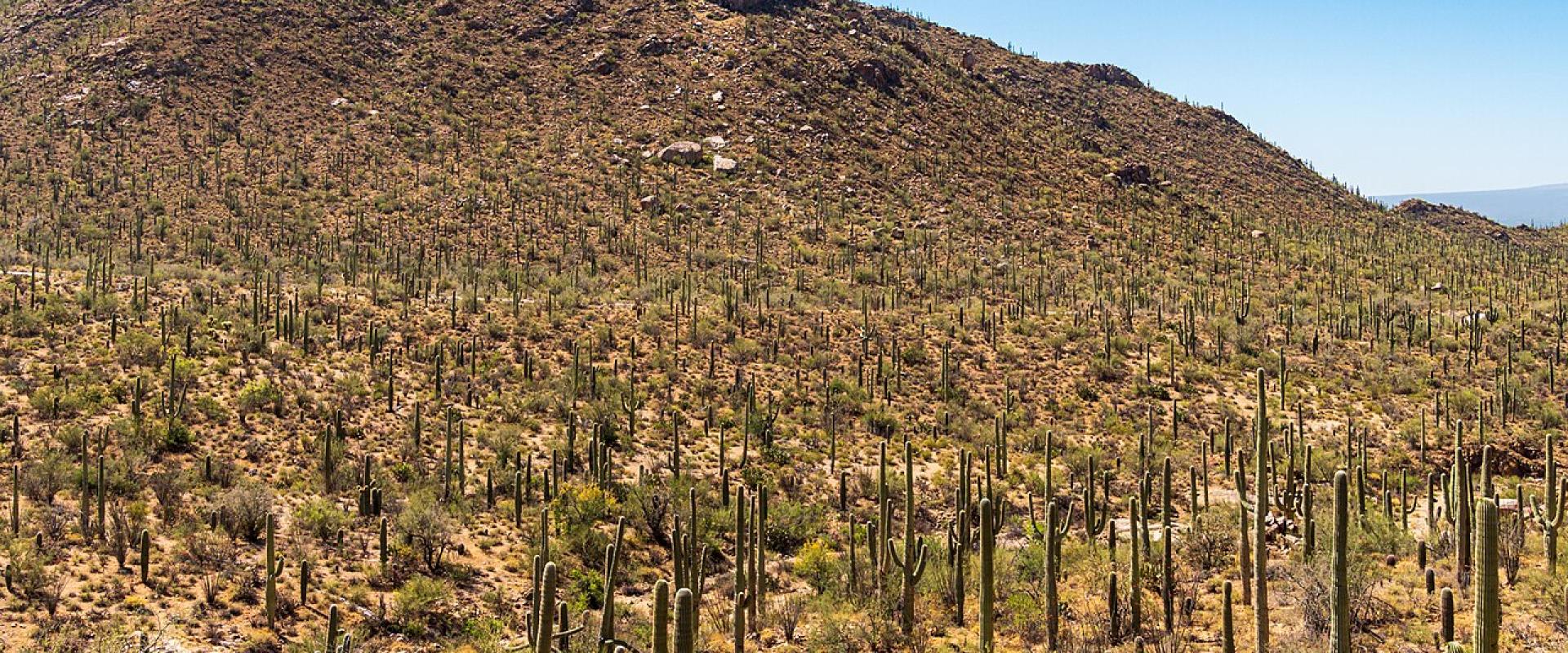
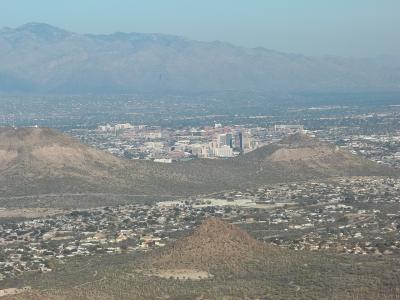
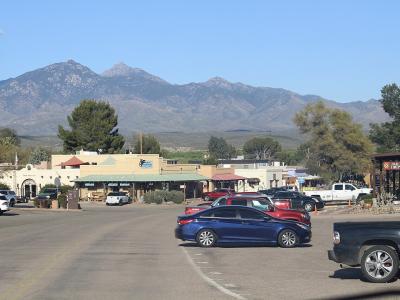
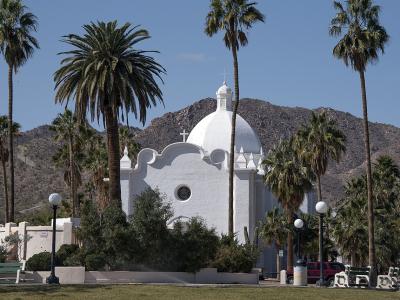
This corner of Arizona is Sonoran Desert from end to end, and the plant that defines it is the saguaro, a cactus that can reach 50 feet and grows mostly between central Arizona and Sonora, Mexico. Tucson, a city of more than 540,000 people, sits between the two districts of Saguaro National Park, with the Rincon Mountains to the east and the Tucson Mountains to the west. It is also the first US city UNESCO named a Creative City of Gastronomy, an award made in 2015 that recognises the region's long farming history as well as its Mexican food. O'odham communities farmed along the Santa Cruz River long before Spanish missionaries arrived in the 1690s, and that river valley still holds the region's oldest European landmarks. Mission San Xavier del Bac, just south of Tucson on the Tohono O'odham Nation, is still an active church. Farther south, off Interstate 19, are Tumacácori's unfinished mission church and the presidio site at Tubac, the first European settlement in what became Arizona. Madera Canyon, in the Santa Rita Mountains above the valley, is one of the country's best-known birding areas. West of Tucson the road runs across the Tohono O'odham Nation to Ajo, a former copper town with a whitewashed Spanish-style plaza. It has the last grocery store before Organ Pipe Cactus National Monument, on the Mexican border, and the headquarters of Cabeza Prieta National Wildlife Refuge, one of the largest wilderness areas in the contiguous United States. Late autumn to spring is the time to come. Summer highs pass 100°F across the region, the monsoon brings thunderstorms and flash floods from about mid-July to mid-September, and Saguaro's rangers advise keeping summer outdoor activity to before 10 a.m. or after 4 p.m. Arizona does not observe daylight saving time, so the clock here stays on Mountain Standard Time all year.Where to go in Tucson & Saguaro
What to see
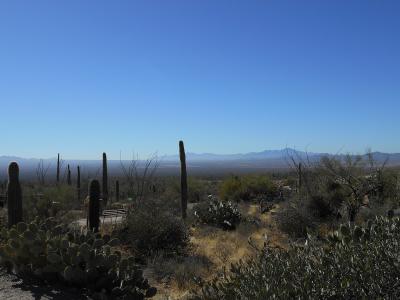
Tucson · Museums
Arizona-Sonora Desert Museum
A zoo, botanical garden and aquarium in one, mostly outdoors, west of Tucson
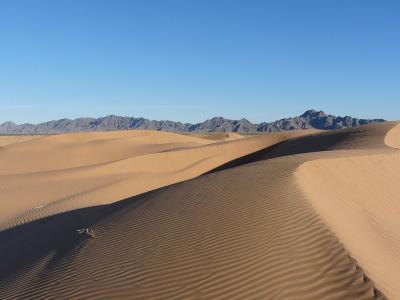
Ajo · Outdoor Recreation
Cabeza Prieta National Wildlife Refuge
803,418 acres of Sonoran Desert wilderness, by permit, with no services at all
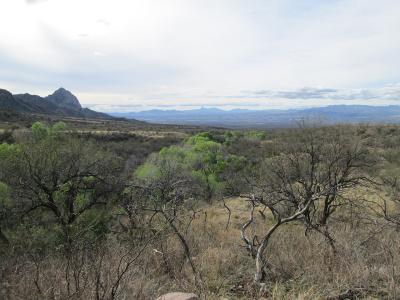
Tubac · Outdoor Recreation
Madera Canyon
A sky-island birding canyon in the Santa Ritas, climbing from grassland to pine forest
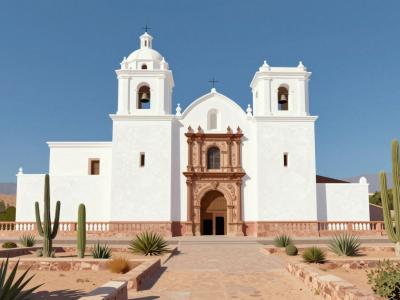
Tucson · Architectural Landmarks
Mission San Xavier del Bac
A working 18th-century church on the Tohono O'odham Nation, 9 miles south of Tucson
Ajo · National Parks
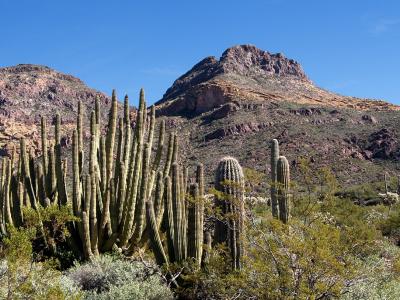
Organ Pipe Cactus National Monument
The only large natural stands of organ pipe cactus in the US, on the Mexican border
Tucson · Natural Wonders
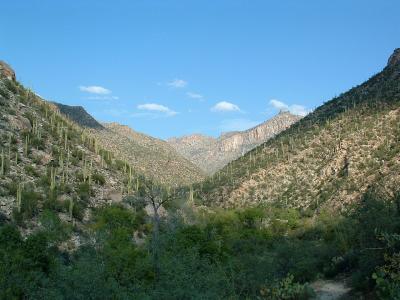
Sabino Canyon
A creek-cut canyon in the Santa Catalinas, with an electric shuttle and long trails
Tubac · Historic Sites
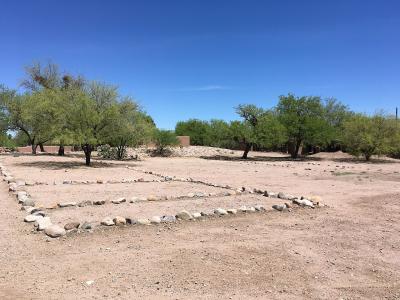
Tubac Presidio State Historic Park
The ruins of Arizona's oldest Spanish presidio, and the state's first state park
Tucson · National Parks
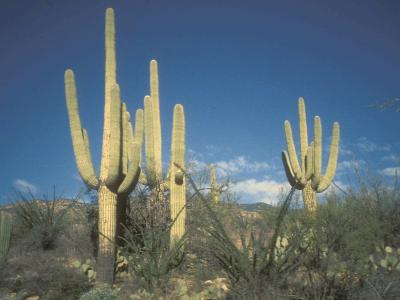
Saguaro National Park: Rincon Mountain District
The older cactus forest east of Tucson, with an 8-mile paved loop and a wilderness behind it
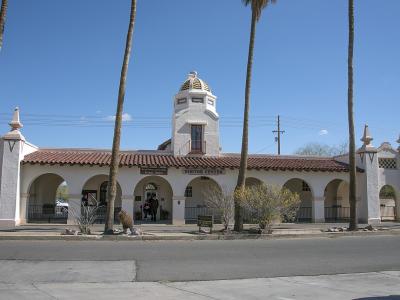
Ajo · Architectural Landmarks
Ajo Historic Plaza
A company town's white Spanish-style town square, built in phases from 1916 to 1947
Quick Facts
Book your stay
Elsewhere in Arizona
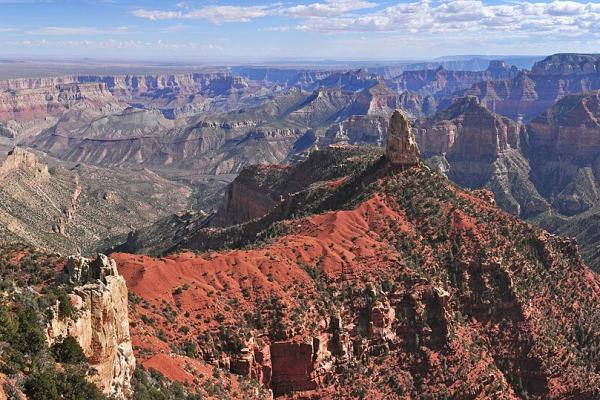
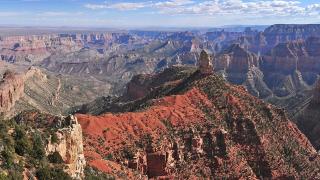
Grand Canyon & Kaibab Plateau
The South Rim and its gateway town, the forested plateau above the North Rim, and the Havasupai village at the bottom of a side canyon
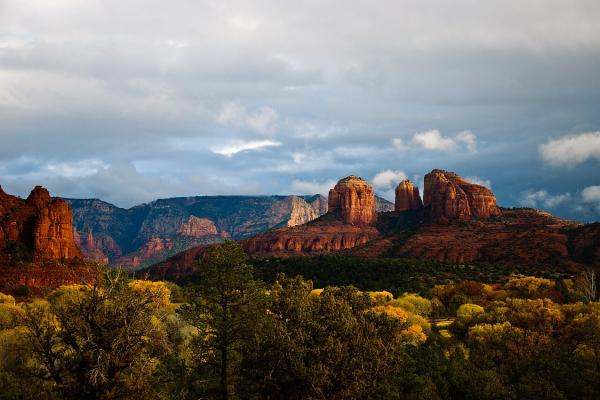
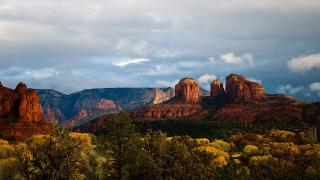
Sedona & Verde Valley
Red rock buttes, Sinagua cliff dwellings, a copper town on a hillside and Arizona's first capital
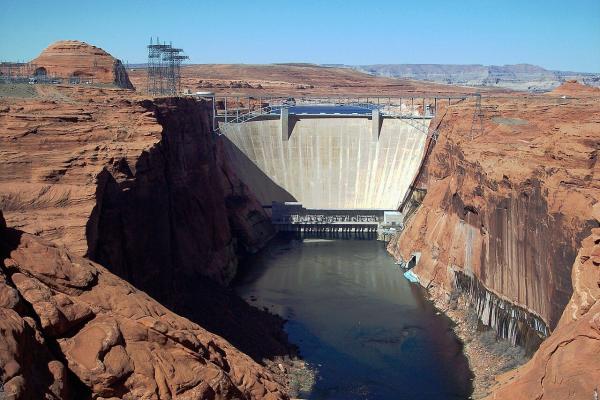
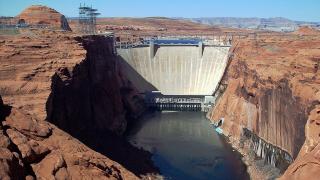
Page & Monument Valley
Glen Canyon, Lees Ferry and the Navajo Nation's canyons, cliff dwellings and buttes