




Arizona's food comes from three traditions that overlap: the Sonoran cooking of the borderlands, the foods of the state's Native nations, and plants that grow wild in the desert. Tucson is the centre of the first. In 2015 it became the first city in the United States named a UNESCO City of Gastronomy.
This guide covers what to try and where the dishes come from. It names no restaurants. Ask locally, or use the Tucson City of Gastronomy's own certified list.
Tucson, UNESCO City of Gastronomy
Tucson joined the UNESCO Creative Cities Network as a City of Gastronomy on December 15, 2015, the first US city to do so. UNESCO's page gives the reasons:
- Agricultural history: Tucson has the longest agricultural history of any city in the United States.
- Heritage foods: 300 years of vineyards, orchards and livestock ranching have shaped "a wide array of local heritage foods."
- A layered cuisine: the food draws on a culturally layered history, heritage ingredients and traditional ways of preparing food.
- Food events: there are numerous farmers' markets and more than two dozen food festivals, fairs and tastings each year. Tucson Meet Yourself, which combines music, crafts and food, draws more than 100,000 people a year.
The designation is managed by Tucson City of Gastronomy, a nonprofit formed in 2016. It describes its area as Tucson "and its southern Arizona foodshed." It certifies restaurants, food artisans and culinary events, and lists farmers' markets. The Creative Cities Network itself began in 2004, and gastronomy was added in 2005.
Sonoran dishes to look for
Sonoran hot dog. NPR reported in 2009 that it started about 20 years earlier in Hermosillo, the capital of the Mexican state of Sonora, and came north to Arizona with street-cart vendors called dogueros. A hot dog is wrapped in bacon and served in a soft bun piled with beans, grilled and fresh onions, tomatoes, mayonnaise, mustard and jalapeño salsa. In 2009 the food historian Gary Nabhan estimated there were more than 200 places to get one in Tucson, and more in Phoenix.
Carne seca. The name means "dried meat": beef salted, seasoned and dried in the sun, a way of keeping it before refrigeration. Traditional recipes stew it with tomatoes, onions and green chiles, and in Tucson it also goes into burritos with eggs.
Native foods
Frybread. Frybread is flat dough fried in a pan, usually made from flour, baking powder, salt and water. At fairs it may be topped with honey or powdered sugar, or used as the base of an "Indian taco" (also called a Navajo taco) with taco toppings.
Its history is painful. During the Navajo internment of the 1860s the government issued rations of flour, salt and lard, and frybread grew out of them. It is now a fixture of fairs and gatherings, though some Native chefs and leaders feel its colonial past should keep it off the table. Navajo Tourism describes frybread and Navajo tacos at the Native food stands of the Navajo Nation Fair in Window Rock, which also holds a frybread contest. It calls the fair the largest American Indian fair in the United States. The 2026 fair ran from September 8 to 13.
Mutton stew. The Bureau of Indian Education says sheep and lamb reached the Diné and Zuni in the 1600s. The Diné see sheep as a symbol of wealth, family and survival, and a common saying is Dibé bé iiná, "Sheep is life." A classic Diné mutton stew is backbone or cubed mutton slow-cooked with potatoes, carrots and onions, sometimes with hominy or juniper berries. It is served with frybread or tortillas. The bureau also describes roast leg or shoulder seasoned with salt, pepper and sumac.
The Navajo Nation Museum in Window Rock co-hosts an annual Sheep Is Life Celebration, with herding and shearing demonstrations. In 2026 it was held on August 28 and 29.
Desert ingredients
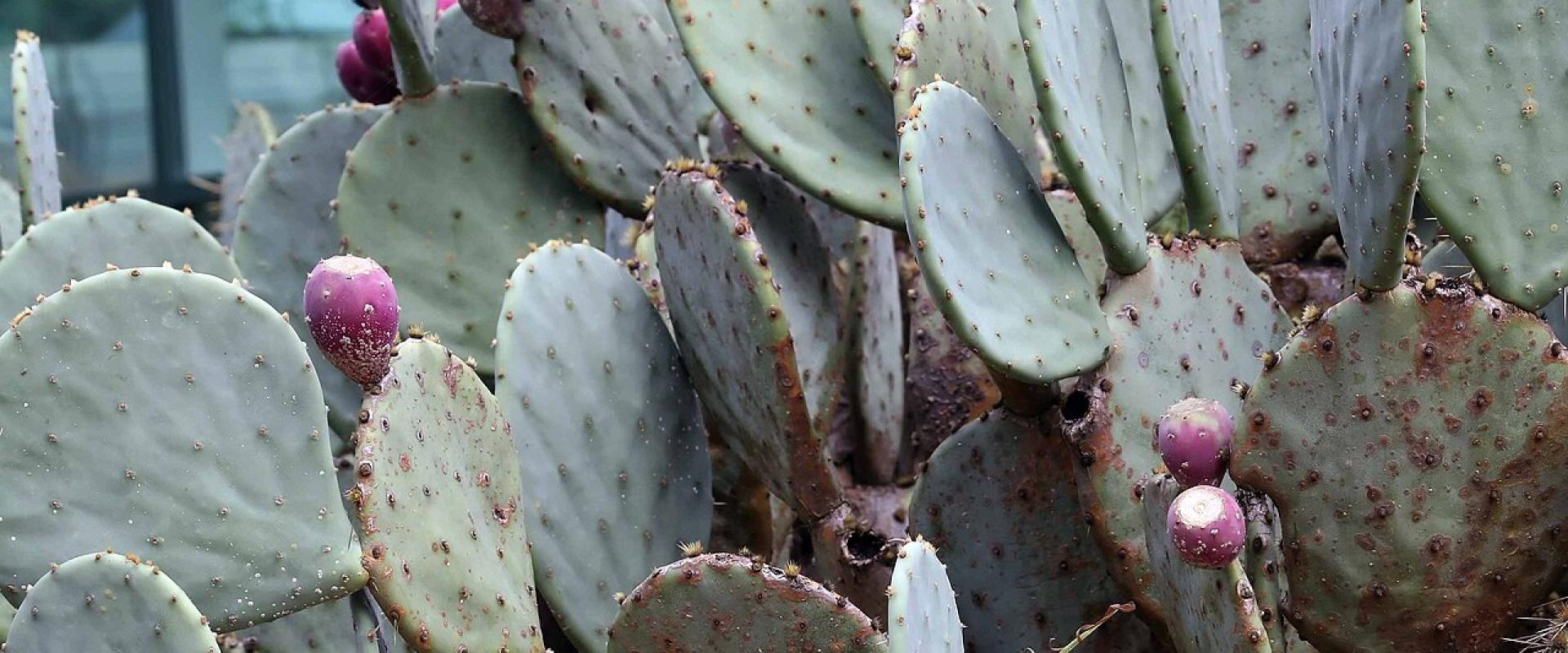
Prickly pear. Engelmann's prickly pear, also called purple fruit prickly pear, grows wild in Arizona. University of Arizona Cooperative Extension lists nopal and tuna among its common names, and its purple fruit is edible.
Chiltepin. The chiltepin is a tiny wild chile and the wild ancestor of domesticated chiles such as the jalapeño and the bell pepper. Native Seeds/SEARCH gives these details:
- Range: it grows wild from southern Arizona and Texas through Mexico and Central America, and people have used wild chiles for 10,000 years.
- Heat: 50,000 to 100,000 Scoville units, but the burn fades quickly.
- Uses: crushed over food, in salsas and soups, or pickled green in vinegar.
The name comes from the Nahuatl for "flea chile." Birds spread the seeds, which gives it another name, bird pepper. In Arizona it may need the shade of a "nurse plant." Native Seeds/SEARCH says the hardiest come from under a mesquite or hackberry. Wild chiltepines are frost-sensitive, and early frosts and droughts have killed many wild stands.
Where to taste it
- Farmers' markets: Tucson City of Gastronomy lists weekly markets around Tucson and Green Valley.
- Festivals: Tucson Meet Yourself, Tucson's food festivals, and Navajo fairs for frybread and mutton stew.
- Certified places: look for restaurants certified by Tucson City of Gastronomy.
Etiquette
- At tribal fairs and events, ask before photographing people. The Navajo Nation asks for permission before any photo of Navajo people.
- Alcohol is banned on the Navajo Nation.
- Wild plants on tribal or federal land are protected. The Navajo Nation bans removing plants without a permit, so buy chiltepines and prickly pear products rather than picking them.
Details checked November 6, 2026.