
Jerome
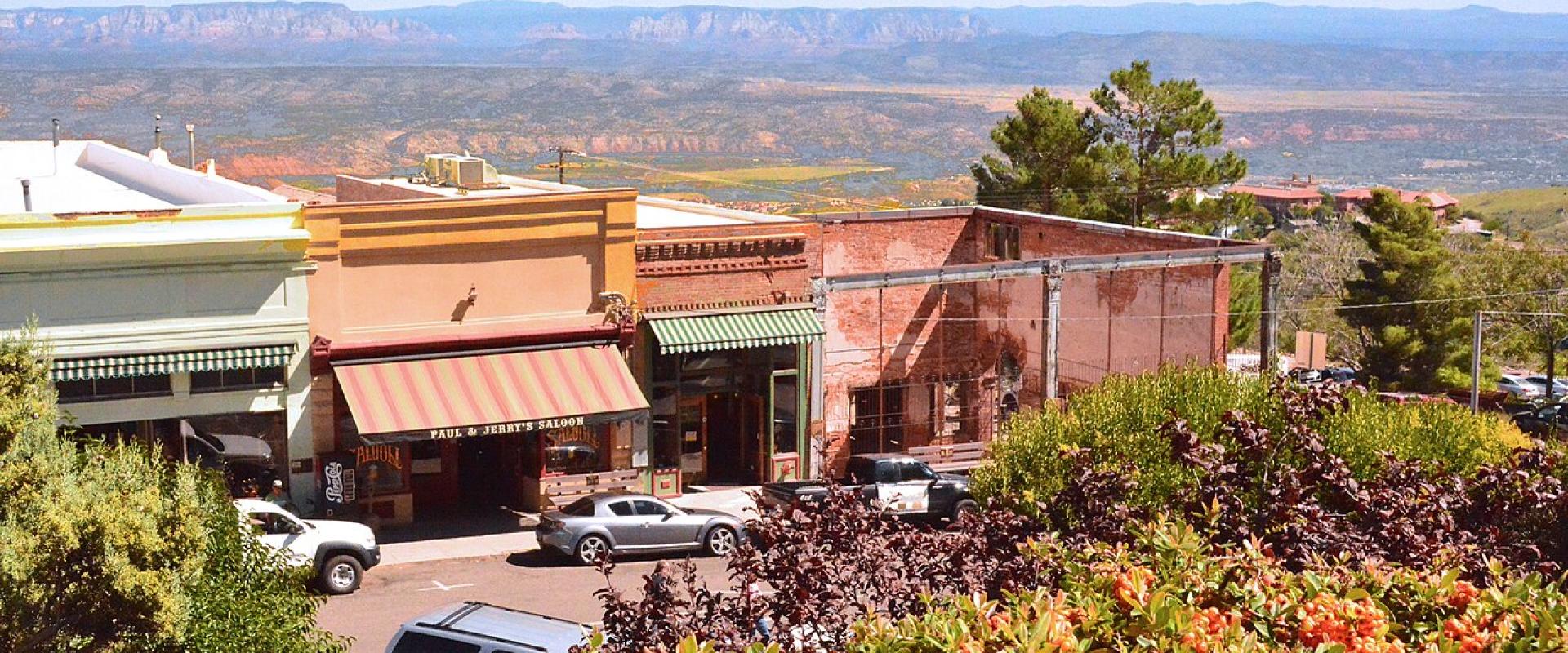
Former copper town stacked on Cleopatra Hill, with a mansion museum and long valley views
History The ore bodies under Jerome formed about 1.75 billion years ago. Prospectors staked claims in 1876, and in 1883 a group of investors formed the United Verde Copper Company, naming the camp of board and canvas shacks after Eugene Jerome, the main backer. The venture failed within two years, largely on transport costs. William A. Clark bought it and built a narrow-gauge railroad, and by the early 1900s the United Verde was the largest producing copper mine in the territory. A second bonanza arrived in 1914 when James S. "Rawhide" Douglas's crews at the Little Daisy hit an extremely rich vein just before wartime copper prices soared.
Production peaked in 1929. The Little Daisy shut in 1938, and Phelps Dodge, which had taken over the United Verde in 1935, closed it in 1953. Jerome's reputation matched its wealth. The historical society still calls it the "Wickedest Town in the West", and in 1917 about 60 members of the Industrial Workers of the World were driven out at gunpoint and shipped west in a cattle car. The Jerome Historical Society, formed in 1953, bought much of uptown to stop further demolition, and the town became a National Historic Landmark in 1967.
What to See Jerome State Historic Park occupies the 1916 Douglas Mansion, built of adobe bricks made on site, above the Little Daisy mine. Its exhibits on mining and the Douglas family include a 3-D model of the town and the workings underneath it, and the grounds have some of the best views in town. Budget an hour or so. Rangers and volunteers also run tours on some mornings; the park's events page has the current schedule.
On Main Street, the Mine Museum is small and inexpensive, run by the historical society since the 1950s, with mining tools, gambling gear and displays on the town's Chinese, Italian, Slavic, Mexican and Irish communities. Beside the state park, the Audrey Headframe is the largest wooden headframe still standing in Arizona. Its park is closed until further notice, so don't plan around standing over the shaft on its glass viewing platform unless you've confirmed it has reopened. The frame should still be visible from nearby.
The rest of the visit is walking. The town sits on top of about 88 miles of mine tunnels, and subsidence helped send some buildings sliding downhill during the first half of the 20th century. Today's streets are steep, so wear suitable shoes. The historical society also maintains a scenic overlook.
Getting There State Route 89A climbs from Cottonwood, just under 8 miles away, and continues over Mingus Mountain to Prescott, about 35 miles on. The road is narrow and full of switchbacks on the Prescott side, so allow extra time. Sedona is about 27 miles by road. Phoenix Sky Harbor is about 114 miles.
When to Go Spring and fall are the most comfortable. Summer mornings are a reasonable escape from the heat of the valley floor, and winter can bring ice on the road over the mountain, so check conditions first if you're coming from Prescott. Autumn has a long ghostly tradition here: the state park opened in October 1965 to coincide with the town's annual Spook Night, and the historical society runs a Ghost Walk.
Best time to visit
March to May and September to November. Jerome is cooler than the valley floor below it, so it also works as a summer morning trip from Cottonwood.
What to see in Jerome
Our picks first.
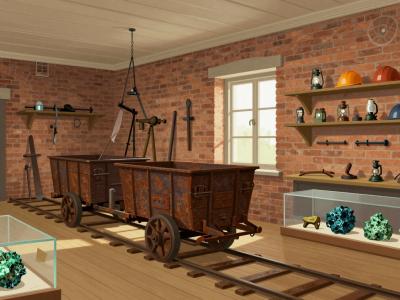
Jerome Mine Museum
A small historical society museum on Main Street, covering the town's miners and its mix of peoples
From $2 Museums · Mining History
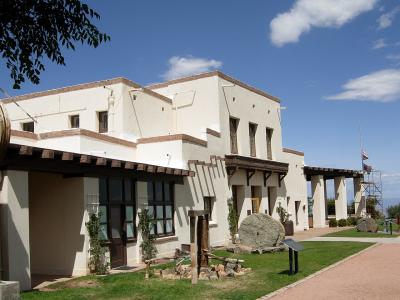
Jerome State Historic Park
The 1916 Douglas Mansion, now a museum of Jerome's copper mines and the family that got rich from them
From $5 Museums · State Parks
Jerome by interest
The same sights, grouped by what you came for.
Did you know?
Checked facts about Jerome, each with its source.
-
History
Jerome fell to about 50 residents after 1953
When Phelps Dodge closed the mines in 1953, Jerome nearly became a ghost town, with only about 50 residents left. The town was made a National Historic Landmark in 1967 and now has about 450 people.
Source: Western Mining History -
History
Jerome's mines produced a billion dollars in metal
Over about 70 years the mines under Jerome produced a billion dollars in copper, silver and gold. Underground fires burned for years in some of the miles of tunnels beneath the town.
Source: Western Mining History -
Trivia
Jerome's jail slid 225 feet down the hill
Jerome's jail slid 225 feet down the mountainside and came to rest in the middle of Hull Avenue. A bulldozer later moved it to its present spot, where its remains are still known as the Sliding Jail.
Source: Sedona Monthly
Planning a visit to Jerome
Good to know
- Currency
- USD
- Language
- English
Quick Facts
Book your stay
Questions people ask
More places in Sedona & Verde Valley
Sedona & Verde Valley
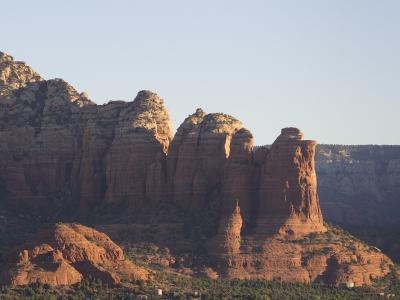
Sedona
Red sandstone buttes, Oak Creek and trailhead parking you need to plan for
Sedona & Verde Valley
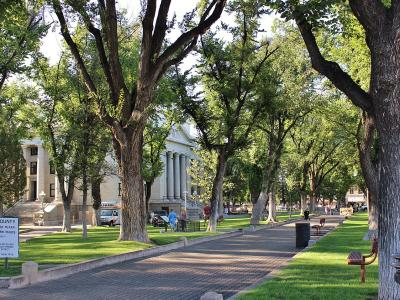
Prescott
Arizona's territorial capital: a courthouse plaza, Whiskey Row and pine country at 5,300 feet
Sedona & Verde Valley
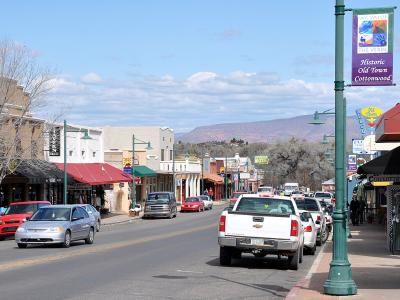
Cottonwood
Verde River town with a walkable Old Town, a state park and a Sinagua pueblo on its edge
Sedona & Verde Valley
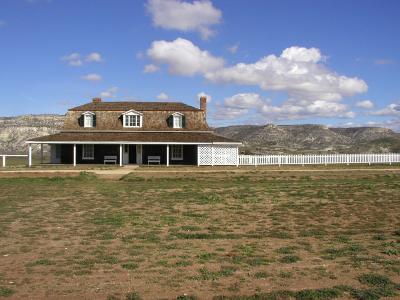
Camp Verde
Interstate town with a preserved Army fort, Sinagua cliff dwellings and a sacred sinkhole