

Williams
A pine-country Route 66 town on I-40, an hour from the South Rim and the starting point of the Grand Canyon Railway
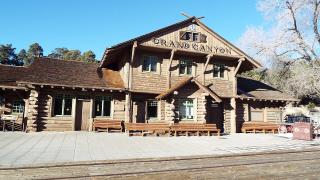
History Williams began as a ranching and lumber settlement and grew with the Atchison, Topeka and Santa Fe Railway: the census counted 199 residents in 1890 and 1,267 in 1910. On September 17, 1901, the first scheduled passengers left Williams for the South Rim on the railway's new 64-mile branch, and for more than half a century the town was where travelers changed from the main line to the canyon train. The Fray Marcos Hotel, a Harvey House beside the depot, opened in 1908, gained an addition in 1925 and is one of the few Renaissance Revival buildings in Arizona. Passenger trains to the canyon stopped in 1968 and the depot closed to that traffic, but private owners restored the line and the first train ran again on September 17, 1989.
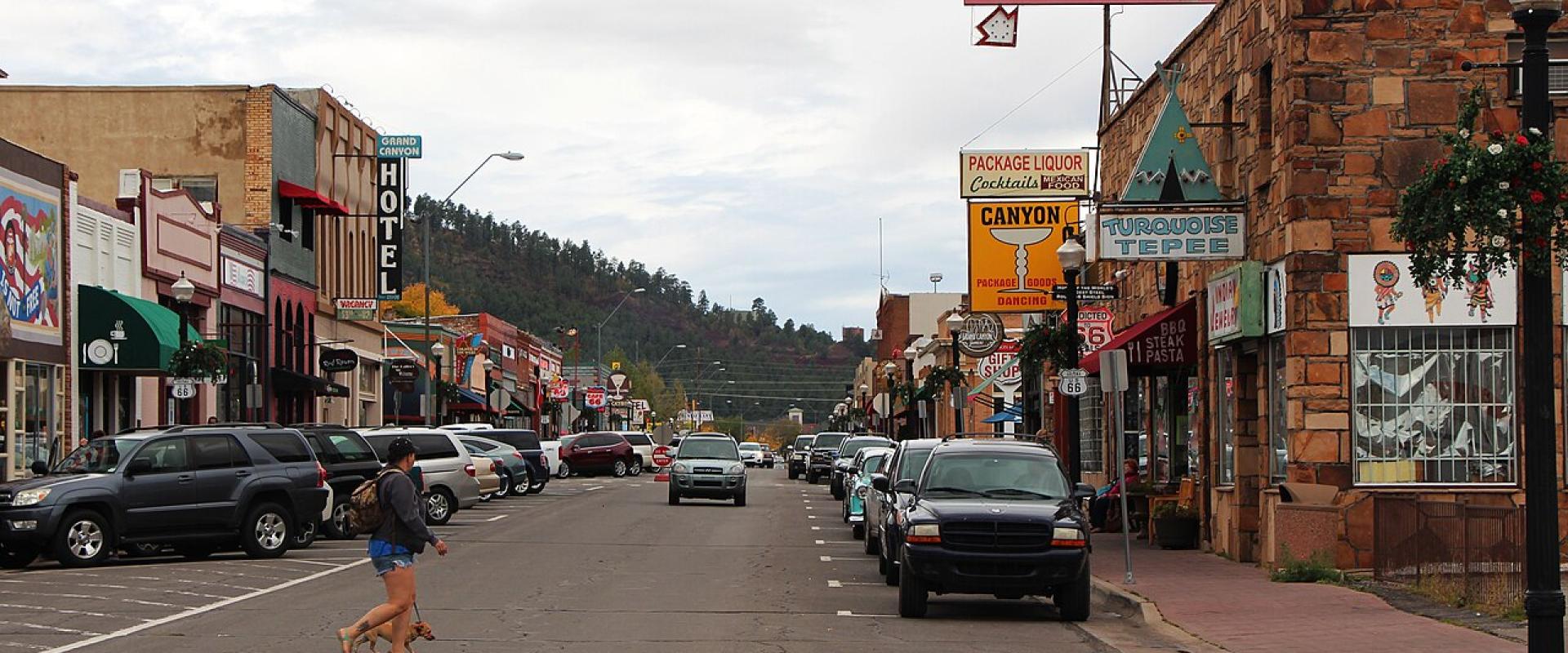
Route 66 kept the town busy in the meantime. Lawsuits held up the last stretch of Interstate 40 in Arizona until the state agreed to build three Williams exits, and when the interstate opened around the town on October 13, 1984, newspapers reported it as the effective end of US 66. The Williams Historic Business District went on the National Register in 1984, and the town's Route 66 corridor was listed in 1989.
What to See The historic downtown covers six blocks between the railway and Route 66, with buildings from the 1890s onward: Romanesque Revival stone blocks built of local dacite, brick commercial buildings from the 1910s and a former 1912 theater. The Grand Canyon Railway, now run by a private company, leaves from the Williams Depot each morning and returns in the evening. From early November to late December the railway also runs its Polar Express holiday trains. The surrounding Kaibab National Forest has lakes and trails close to town, including Bill Williams Mountain directly to the south.
Weather The altitude makes Williams far cooler than most of Arizona. NOAA's 1991 to 2020 normals give average July highs around 84°F and average December lows around 21°F. December is the coldest month, August the wettest, and snowfall averages about 65 inches a year, mostly from November to April. Monsoon storms bring afternoon rain in late summer. The town's records run from 102°F, set in 1909, down to −25°F, in 1937.
Getting There Williams sits on Interstate 40 about 33 road miles west of Flagstaff. NPS puts the drive from Williams to the park's South Entrance at about an hour; it is about 59 miles to Grand Canyon Village by State Route 64. Amtrak's Southwest Chief served Williams Junction, east of town, from 1999 until 2017, but the station has since closed. The railway's own trip to the canyon takes 2 hours and 15 minutes each way.
Grand Canyon Status As of November 2026, overnight lodging inside the park on the South Rim remains suspended after the August 29 flood, so gateway towns such as Williams and Tusayan carry the overnight demand. The South Rim itself is open for day visits; see the Grand Canyon Village page for current water and lodging conditions.
Best time to visit
Late spring and early fall are mild. Summer is the busy season for the railway and Route 66 traffic, with afternoon monsoon storms from July. Winters are snowy, with an average of about 65 inches a year, and the holiday Polar Express trains run from early November to late December.
What to see in Williams
Our picks first.
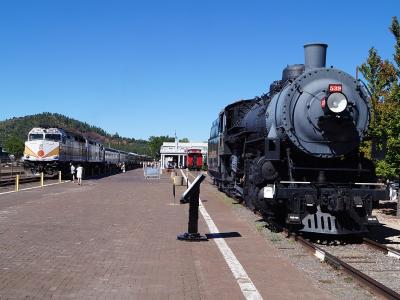
Grand Canyon Railway
The privately run 1901 branch line from Williams to the South Rim depot, a 2-hour-15-minute ride each way
Historic Sites
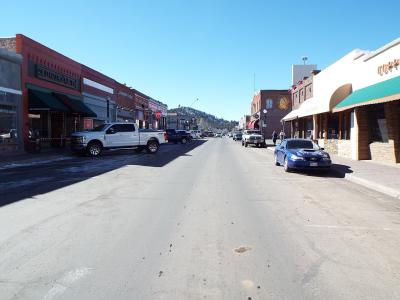
Williams Historic Business District
Six blocks of Route 66 and railroad-era buildings in the last town bypassed by Interstate 40
Free Historic Sites · Historic Buildings
Williams by interest
The same sights, grouped by what you came for.
Did you know?
Checked facts about Williams, each with its source.
-
Name Origin
The town is named for mountain man Old Bill Williams
Williams was founded in 1881 and named for the trapper, scout and mountain man "Old Bill" Williams, whose statue stands in Monument Park. The town was incorporated on July 9, 1901.
Source: City of Williams -
History
Williams was the last Route 66 town bypassed
Williams was the last town on Historic Route 66 to be bypassed by Interstate 40, on October 13, 1984.
Source: City of Williams -
History
The first Grand Canyon train left in 1901
The first passenger train reached the South Rim on September 17, 1901, carrying 30 passengers and supplies over the 64-mile line from Williams. Service stopped in 1968, when most visitors came by car, and the railway was revived in 1989.
Source: Deseret News
Planning a visit to Williams
Good to know
- Currency
- USD
- Language
- English
Quick Facts
Book your stay
Questions people ask
More places in Grand Canyon & Kaibab Plateau
Grand Canyon & Kaibab Plateau
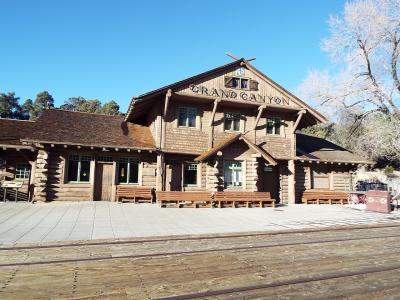
Grand Canyon Village
The South Rim's historic village, open all year, with lodging and water still limited after the 2026 flood
Grand Canyon & Kaibab Plateau
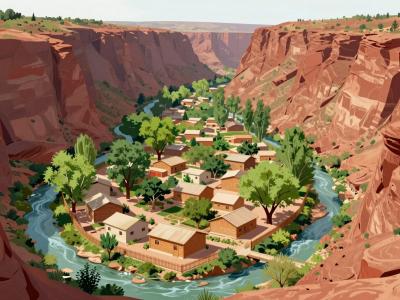
Supai
The Havasupai Tribe's village on the floor of Havasu Canyon, 8 miles by trail from the nearest road, open to visitors only with a tribal permit
Grand Canyon & Kaibab Plateau
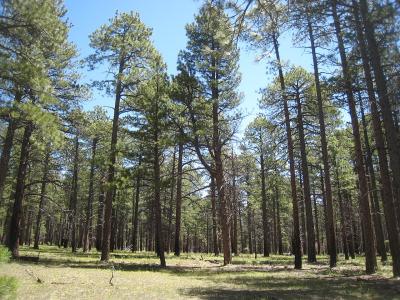
Jacob Lake
The crossroads on the Kaibab Plateau: the last fuel and food before the North Rim, which closes every winter