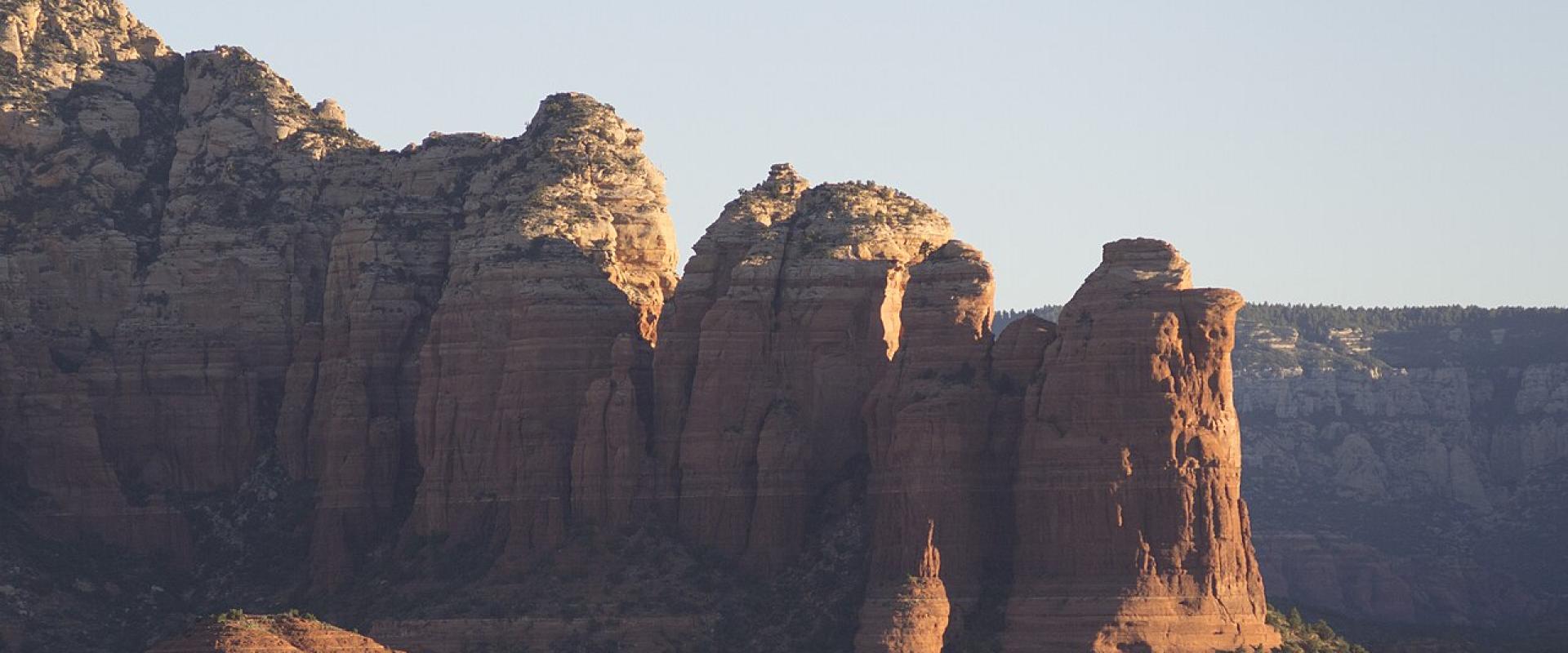
Sedona
Red sandstone buttes, Oak Creek and trailhead parking you need to plan for
History John J. Thompson, the first European-American settler, moved to Oak Creek Canyon in 1876, and the early arrivals were farmers and ranchers who planted peach and apple orchards. Hollywood came next. From 1923 into the 1970s, more than sixty productions filmed here, among them Johnny Guitar, Broken Arrow and the original 3:10 to Yuma, usually with the scenery passed off as Texas or California. Tourism, retirement homes and vacation houses took over from the 1950s, and most of what you see in town was built in the 1980s and 1990s. Fire is part of the recent story too: the Brins Fire burned 4,317 acres in 2006, and the Slide Fire burned 21,227 acres of Oak Creek Canyon in 2014.
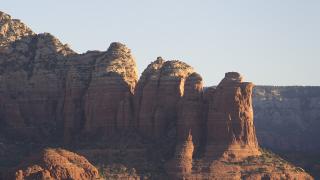
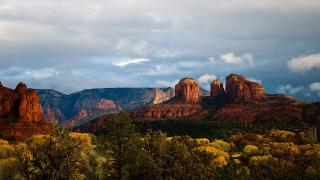
What to See Cathedral Rock is the formation most people recognize, whether they climb the short, steep route to its saddle or look up at it from Oak Creek. The Chapel of the Holy Cross, finished in 1956, rises from a red rock outcrop south of town and is a working Catholic chapel. West of town, Red Rock State Park protects 286 acres along Oak Creek with five miles of trails and no swimming. Swimmers go north instead, to Slide Rock State Park in Oak Creek Canyon, a former apple homestead with an 80-foot natural chute in the creek bed. Both parks were closed after the November 2026 Oak Creek flood, so check Arizona State Parks before you go. For archeology, drive out to Palatki Heritage Site, where a timed ticket gets you a guided tour of a cliff dwelling and rock art.
Passes and Parking A Red Rock Pass, or a federal interagency pass, is required for vehicles at listed day-use sites on the Red Rock Ranger District, including Cathedral Rock, Baldwin, Boynton and Palatki. Visit Sedona lists the price as $5 a day, $15 a week or $20 a year; kiosks at the sites sell it, and you can also buy it through Recreation.gov. Stopping for about 15 minutes or less for a photo doesn't need one. The state parks charge their own fees and don't take the pass. The busiest trailheads fill early, and the city runs a shuttle to some of them. Check the current shuttle schedule with the City of Sedona before you plan a Cathedral Rock hike, because private-vehicle access at that trailhead can be restricted while the shuttle runs.
Getting There From Interstate 17, take exit 298 and follow State Route 179 north through the Village of Oak Creek. By road Sedona is about 120 miles from Phoenix Sky Harbor International Airport and about 30 miles from Flagstaff, down the switchbacks of State Route 89A through Oak Creek Canyon. Flooding on November 1, 2026 closed that stretch of 89A; as of November 7 it was open only from Sedona to Slide Rock State Park, with no reopening date for the rest, so check Arizona 511 before planning the canyon route. Sedona's own airport handles general aviation only; the nearest commercial airports are Flagstaff Pulliam, Prescott Regional and Phoenix. Cottonwood is about 20 miles southwest and Jerome about 27.
The Town Itself Sedona has no single center. Uptown, along State Route 89A at the mouth of the canyon, is the tourist strip. The Gallery District and the Chapel area are also on the Coconino County side, and West Sedona lies across the line in Yavapai County. Parts of the city's visitor economy lean on New Age beliefs about "vortices" at Bell Rock, Airport Mesa, Cathedral Rock and Boynton Canyon. You will see the signs either way. The trails to those places are worth walking whatever you make of them.
Best time to visit
March to May and September to November for hiking, when the monuments and trails are also busiest. Oak Creek draws swimmers in summer, when some heritage sites close on days above 100°F.
What to see in Sedona
Our picks first.
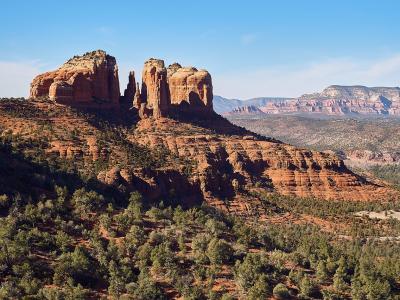
Cathedral Rock
Sedona's most recognizable formation, with a short, steep scramble to the saddle
From $5 Natural Wonders · Outdoor Recreation
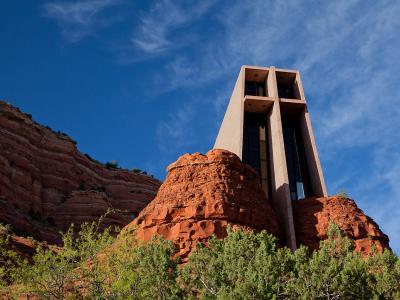
Chapel of the Holy Cross
A 1956 Catholic chapel built around a giant cross, rising from a red rock outcrop
Architectural Landmarks · Religious Sites
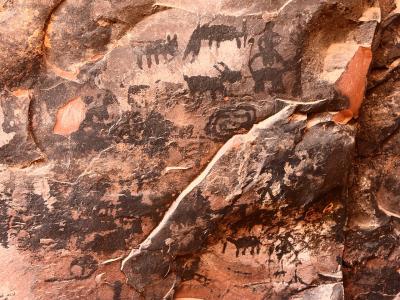
Palatki Heritage Site
Reservation-only guided tours of a red rock cliff dwelling and rock art northwest of Sedona
Historic Sites · Native American Heritage
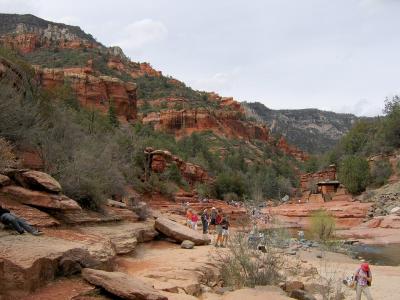
Slide Rock State Park
An 80-foot natural water chute below a historic apple orchard in Oak Creek Canyon
From $5 Historic Sites · State Parks
Sedona by interest
The same sights, grouped by what you came for.
Did you know?
Checked facts about Sedona, each with its source.
-
Name Origin
Sedona is named after a pioneer woman, Sedona Schnebly
The town took the first name of Sedona Schnebly, wife of settler T.C. Schnebly, after earlier suggestions were reportedly rejected as too long for a postmark. The post office opened in the back of the Schnebly home on June 26, 1902.
Source: Sedona Chamber of Commerce & Tourism Bureau -
Name Origin
Courthouse Rock and Cathedral Rock swapped their original names
An early settler named two formations Court Rock and Church Rock. When they later became Courthouse Rock and Cathedral Rock, the names ended up on the opposite rocks from the originals.
Source: Sedona Chamber of Commerce & Tourism Bureau -
Film & TV
More than 100 feature films were shot around Sedona
Filming began in 1923 with Zane Grey's The Call of the Canyon in Oak Creek Canyon, and more than 100 feature films have been shot in Sedona since. They include Elvis Presley's Stay Away, Joe, and stars such as Henry Fonda, Joan Crawford and Jimmy Stewart worked here.
Source: Verde Independent
Planning a visit to Sedona
Good to know
- Currency
- USD
- Language
- English
Quick Facts
Book your stay
Questions people ask
More places in Sedona & Verde Valley
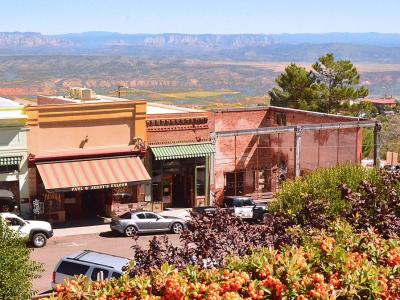
Sedona & Verde Valley
Jerome
Former copper town stacked on Cleopatra Hill, with a mansion museum and long valley views
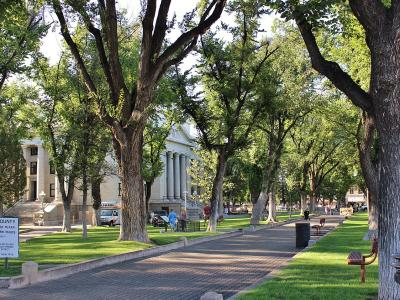
Sedona & Verde Valley
Prescott
Arizona's territorial capital: a courthouse plaza, Whiskey Row and pine country at 5,300 feet
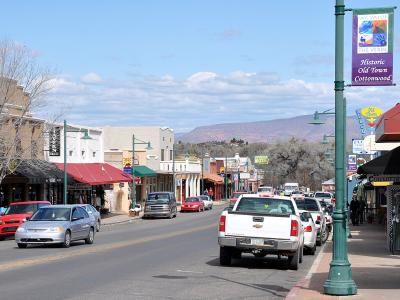
Sedona & Verde Valley
Cottonwood
Verde River town with a walkable Old Town, a state park and a Sinagua pueblo on its edge
Sedona & Verde Valley
Camp Verde
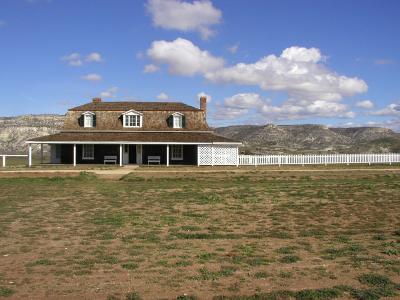
Interstate town with a preserved Army fort, Sinagua cliff dwellings and a sacred sinkhole