Much of northern Arizona is tribal land, governed by its own laws, and the rules there are stricter than anywhere else on a typical trip: no alcohol, no drones, permits for hiking, and limits on photography. Add a state that ignores daylight saving time inside a reservation that observes it, and a law that bills drivers for flood rescues, and there is more to know than in most US states.
This guide sets out the published rules. Each tribe sets and enforces its own, so when in doubt, ask at the tribal park office.
Tribal lands: the basics
Arizona's best-known sights on tribal land include Monument Valley, Antelope Canyon and Havasu Falls. They are not national parks, and national park passes are not accepted at Navajo tribal parks. Canyon de Chelly is a national monument, but it also lies on Navajo land.
Two things apply everywhere:
- You are a guest on someone's home land. The Hopi Cultural Preservation Office compares looking into windows or wandering into homes to a stranger helping himself to a tour of your house.
- Permits are not optional. The Navajo Nation says all of its land is closed to non-Navajos without a valid pass or permit, and that being there without one is trespassing.
From the Navajo Nation Parks and Recreation rules:
- Alcohol and drugs: consumption or possession is "strictly prohibited on the Navajo Nation".
- Drones: prohibited at all Navajo tribal parks; they will be confiscated.
- Firearms: not allowed on tribal lands (Navajo Tribal Code Title 17).
- Pets: not allowed in the tribal parks.
- Climbing and BASE jumping: strictly prohibited on monuments, sacred sites and buttes. Navajo Mountain is sacred and climbing it is forbidden.
- Photography: get permission before photographing Navajo people. Commercial photography or video needs a permit.
- Hiking and camping: a backcountry permit is needed, and hiking in the tribal parks is with a guide. Several canyon areas, including Upper Kaibeto, Navajo Canyon and Tsegi Canyon, are closed to hiking entirely because of trespassing on homesites.
- Off-road driving: prohibited in the tribal parks.
- Don't remove anything: rocks, plants, animals and artifacts are protected. Cremation scattering is strictly prohibited.
- Homes and livestock: don't wander into residential areas; the backcountry is open range.
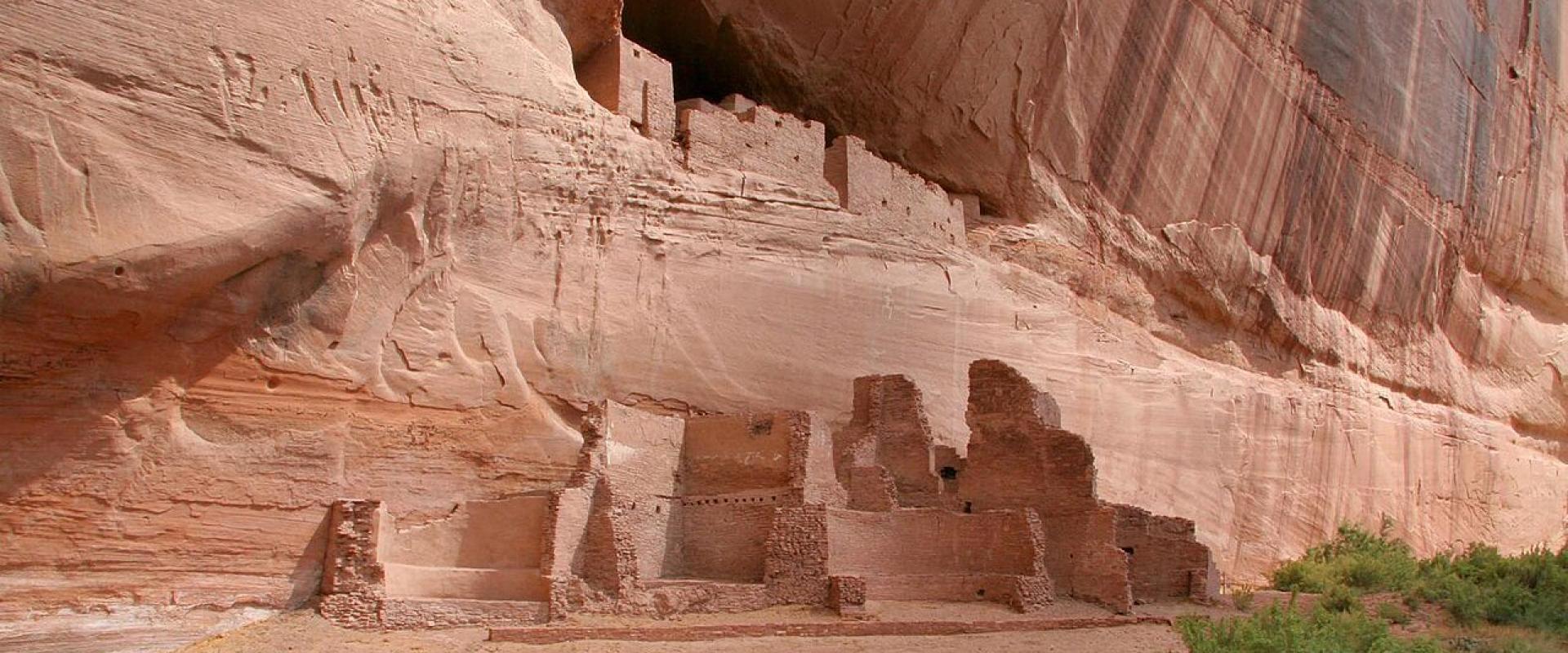
At Antelope Canyon, every location is open only on a guided tour. At Canyon de Chelly, NPS says the White House Trail is the only public trail in the park you can hike without a permit or guide; its hours page listed it as open in late 2026. Canyon-floor tours run with local operators listed by Navajo Parks and Recreation.
Hopi villages
The Hopi Cultural Preservation Office asks visitors to follow its etiquette:
- No recording of any kind in or around the villages: no photos, video, audio, sketching or note-taking, especially during ceremonies. Publishing what you saw needs the office's prior consent.
- Ceremonies: not all are open to the public. At open ones, stay on the edges, stay out of kivas unless invited, and don't interrupt.
- Clothing: long trousers or skirts rather than shorts at ceremonies.
- Shrines and offerings: don't touch them.
Havasupai Reservation
- Permit for every visitor, booked before arrival; every booking is 4 days and 3 nights.
- Dry reservation: no alcohol or drugs of any kind.
- Photography: personal photos of yourself and the scenery are allowed, but not of tribal members, animals, homes, buildings, burial grounds or sacred sites. No drones, and no commercial photography.
- Pets and service animals: not allowed anywhere on the reservation.
- Trash: a civil fine of up to $1,000 for leaving trash or gear in the canyon.
- Hilltop: no camping or sleeping in vehicles at the trailhead.
- The tribe can close all or part of the reservation at any time.
- Arizona does not observe daylight saving time. State law (A.R.S. 1-242) keeps it on Mountain Standard Time all year.
- The Navajo Nation does observe daylight saving time, from March to November. In those months it is an hour ahead of the rest of Arizona and on the same time as Utah, Colorado and New Mexico, according to the NPS pages for Canyon de Chelly and Navajo National Monument.
- Right now: clocks fell back on November 1, 2026, so the whole state shares one time until March 14, 2027.
- If you have a tour booked in Monument Valley, Canyon de Chelly or Antelope Canyon between March and November, check which time the booking uses.
- The Forest Service's Fossil Creek permit page on Recreation.gov reminds visitors that "the state of Arizona does not acknowledge Daylight Savings Time".
Drones on federal land
- National parks: NPS policy prohibits launching, landing or operating drones in park units unless a superintendent approves it in writing. NPS says the Grand Canyon "does not allow recreational use" of drones.
- Horseshoe Bend and the rest of Glen Canyon National Recreation Area: prohibited without written approval.
- Tribal lands: banned at Navajo tribal parks and on the Havasupai Reservation (see above).
On national park land
- Petrified Forest: removing petrified wood or any natural or cultural object is a federal offence.
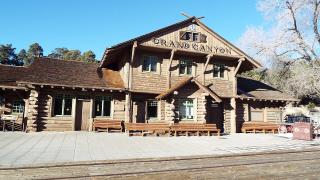
- Grand Canyon: never throw anything over the edge, stay six feet back from the rim, and keep at least 100 feet from elk, deer, bighorn sheep, condors and mountain lions. Feeding wildlife is prohibited.
- Campfires: the Grand Canyon is in year-round Stage 1 fire restrictions, and since August 31, 2026 all wood and charcoal fires are banned on the South Rim.
Arizona's "stupid motorist law"
The nickname is informal; the law is A.R.S. 28-910. A driver who drives onto a public road that is covered by floodwater and barricaded because of flooding is liable for the cost of any emergency response needed to get them, their passengers or their vehicle out. The charge is capped at $2,000 per incident, and insurers may exclude it. A driver convicted of entering a flooded area under related traffic law can be billed the same way.
The practical rule is the National Weather Service's: turn around, don't drown.
Dust storms
ADOT's advice if you are caught in blowing dust: pull completely off the road, turn off all lights including flashers, take your foot off the brake, set the parking brake, stay buckled in and wait.
Details checked 6 November 2026.