
Saguaro National Park: Rincon Mountain District
The older cactus forest east of Tucson, with an 8-mile paved loop and a wilderness behind it
- Admission
- Private vehicle $25, motorcycle $20, on foot or bicycle $15 per person 16+
- Valid 7 days in both districts. Saguaro annual pass $45. Cards only, no cash
- Hours
- Visitor center daily 9 a.m.-5 p.m. (Oct 1-May 31), 8 a.m.-4 p.m. (Jun 1-Sep 30). The park'...
- Where
- Tucson, Tucson & Saguaro
- Directions
- Directions
Saguaro's eastern half, often called Saguaro East, is the original park. Herbert Hoover proclaimed Saguaro National Monument on March 1, 1933, in the last days of his presidency, to protect what botanists considered the grandest stand of saguaros, and Congress made it a national park in 1994. At 67,476 acres this is much the larger district, and it rises from cactus flats to pine forest on Mica Mountain at 8,666 feet.
The Cactus Forest Drive is where most people start. The Civilian Conservation Corps built this 8-mile paved loop, which is narrow, with tight turns, steep hills and a one-way section, and which has trailheads, overlooks and pullouts all along it. There is no parking for RVs and large vehicles on the loop. Vehicles wider than 8.5 feet, or towing with a combined length of 40 feet or more, are prohibited. Cyclists can ride the road and a 2.5-mile multi-use stretch of the Cactus Forest Trail. For a short walk, the Desert Ecology Trail and Mica View Trail are the accessible options, and the park suggests the Loma Verde loop if you want to look for tall saguaros.
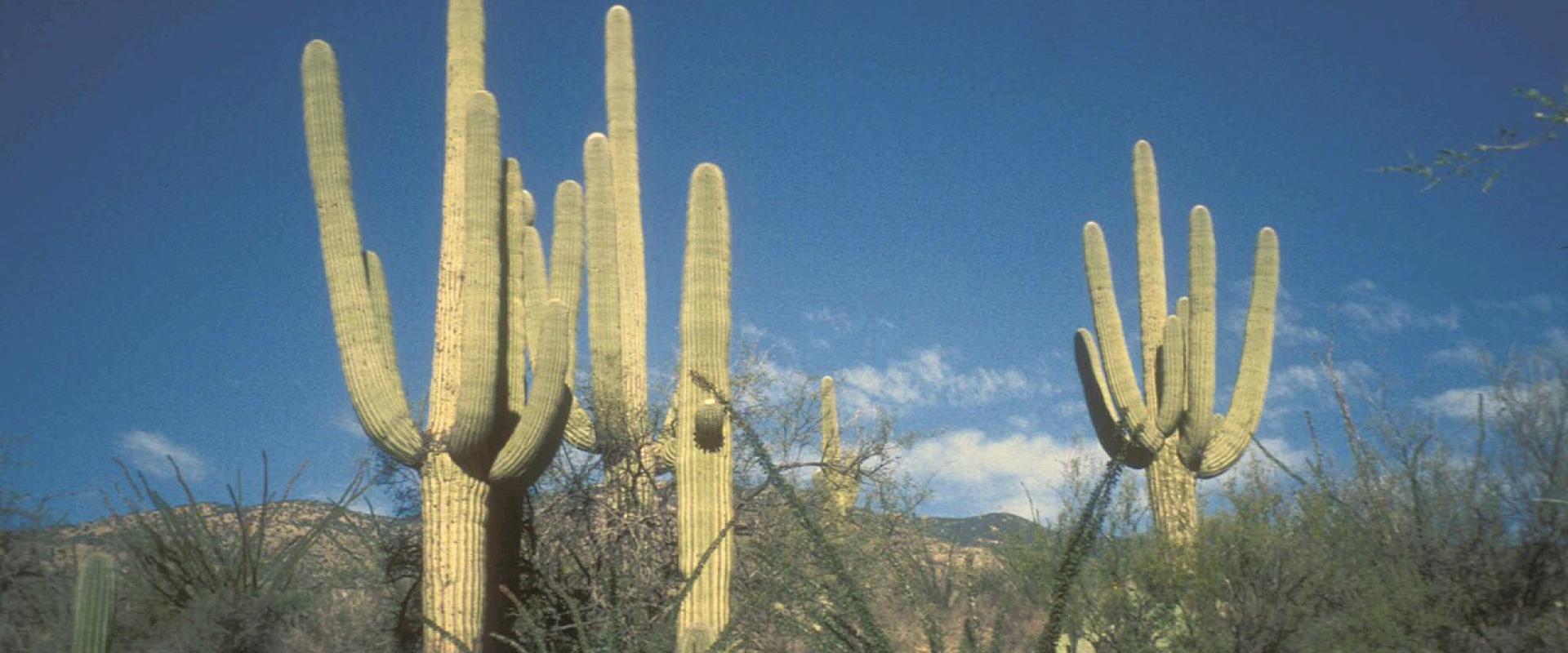
It helps to know what you are looking at. A saguaro grows only a few inches in its first decade, usually sheltered by a "nurse" tree. It flowers from about age 35, starts growing arms at around 60 to 75, and can reach 50 feet. Biologists believe some live past 200 years. Its creamy flowers open at night from late April into June. Bats, birds and insects pollinate them, and the fruit ripens in mid-summer. Woodpeckers cut nest holes in the trunks, and elf owls and others move in later. Please look without touching, since all plants here are protected.
Beyond the loop lies 128 miles of trail, and the Saguaro Wilderness protects what the park calls the last roadless sky island range in southern Arizona. The six backcountry campgrounds are the only camping in the park, and they need a reservation and permit through Recreation.gov. Treat all surface water, and be careful in areas burned in 2020, where the ground can be unstable and damaged trees can fall. Happy Valley Road, which leads to the Miller Creek and Turkey Creek trailheads, has stream crossings, and high-clearance or four-wheel-drive vehicles are strongly encouraged at all times of year.
Summer can reach the low 110s Fahrenheit, and the park recommends keeping outdoor activity to before 10 a.m. or after 4 p.m. Winter days run from the low 50s to the high 70s. January to April is the busy season for ranger programs, and the park was certified an Urban Night Sky Place in 2023, with star parties and night hikes on its calendar. Drones are prohibited. A parking lot project has been under way at this district, so check current conditions before you come.
Categories
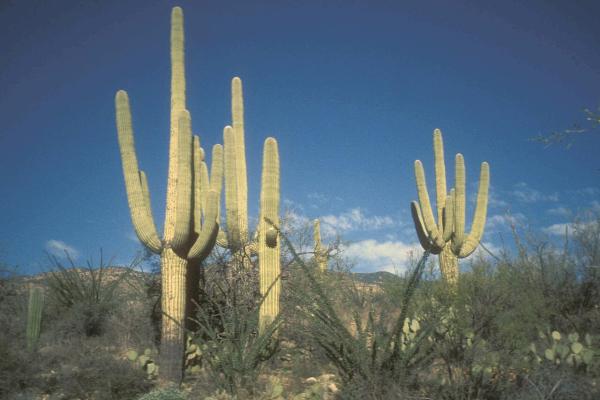
More photos coming soon
Hours & Fees
- Open
- Visitor center daily 9 a.m.-5 p.m. (Oct 1-May 31), 8 a.m.-4 p.m. (Jun 1-Sep 30). The park's night-sky page says trails beyond the gates are not accessible after they close at 8 p.m.; check drive hours with the park.
- Admission
- Private vehicle $25, motorcycle $20, on foot or bicycle $15 per person 16+; valid 7 days in both districts. Saguaro annual pass $45. Cards only, no cash.
Hours and prices change, especially out of season. Check with the venue before you go.
Nearby Attractions
Other places to visit in Tucson
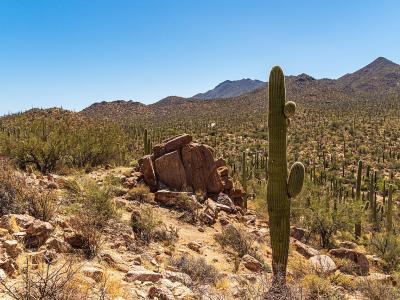
Saguaro National Park: Tucson Mountain District
Saguaro West: a dense young cactus forest, a dirt loop drive and Hohokam petroglyphs
From $15 National Parks · Scenic Drives
Arizona-Sonora Desert Museum
A zoo, botanical garden and aquarium in one, mostly outdoors, west of Tucson
From $2 Museums · Wildlife Viewing
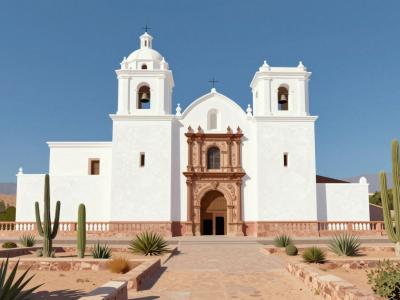
Mission San Xavier del Bac
A working 18th-century church on the Tohono O'odham Nation, 9 miles south of Tucson
Architectural Landmarks · Historic Sites
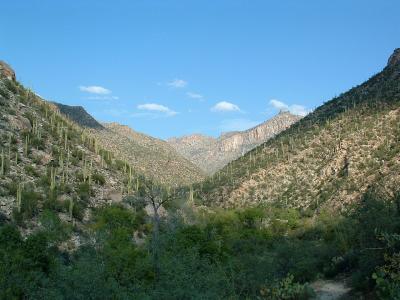
Sabino Canyon
A creek-cut canyon in the Santa Catalinas, with an electric shuttle and long trails
From $5 Natural Wonders · Outdoor Recreation
Questions people ask
Quick Facts
Private vehicle $25, motorcycle $20, on foot or bicycle $15 per person 16+
Valid 7 days in both districts. Saguaro annual pass $45. Cards only, no cash.
Best Time to Visit
October to April for hiking and the desert parks; wildflowers peak in March and saguaros bloom from late April into June. Summer highs top 100°F.