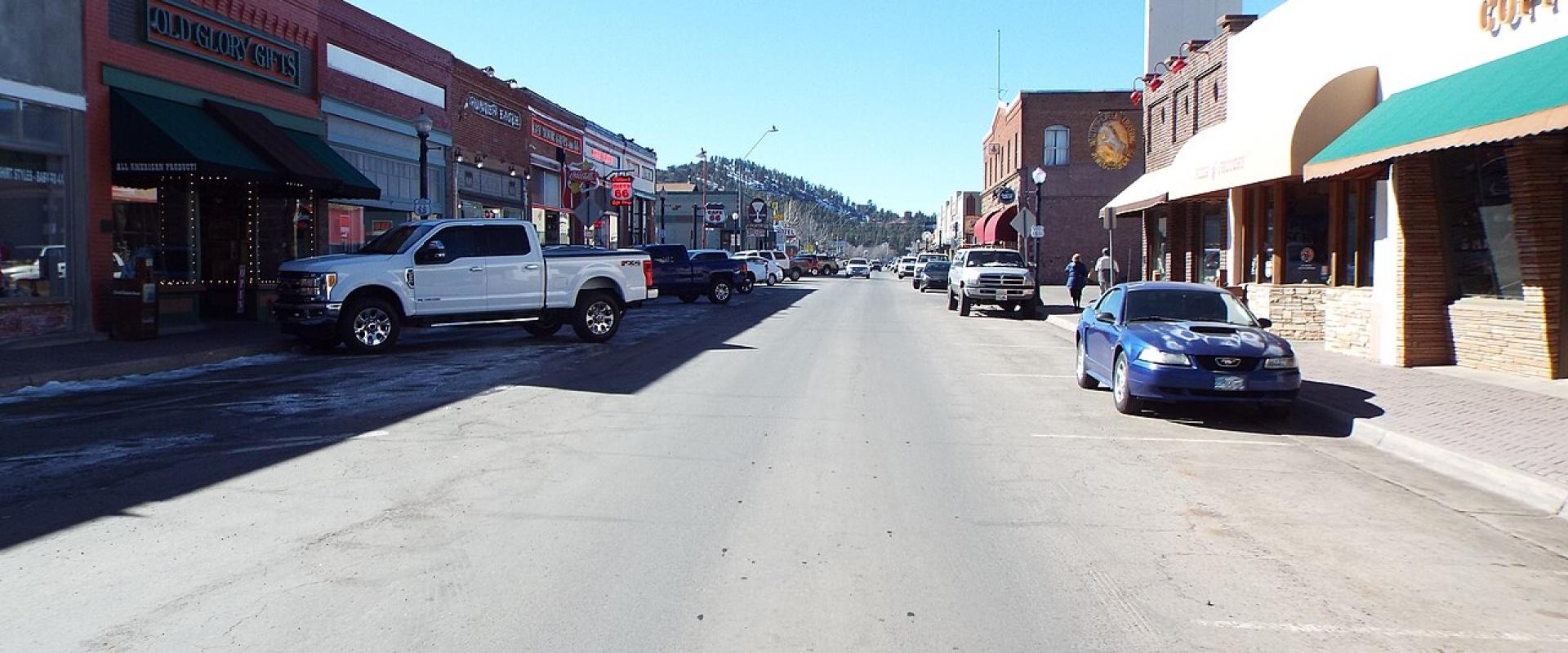
Williams Historic Business District
Six blocks of Route 66 and railroad-era buildings in the last town bypassed by Interstate 40
- Admission
- Free (public streets).
- Where
- Williams, Grand Canyon & Kaibab Plateau
- Directions
- Directions
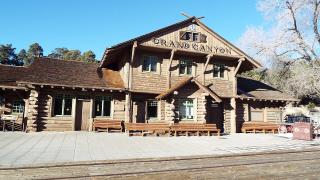
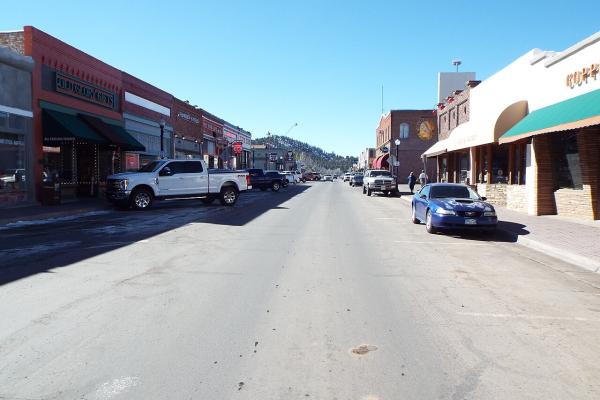
Downtown Williams is the reason the town calls itself a Route 66 town rather than just an interstate exit. The Williams Historic Business District, about 25 acres in the center of town, was added to the National Register of Historic Places in 1984, and the town's stretch of Route 66 followed in 1989. Route 66 runs straight through the district as Bill Williams Avenue, and the Santa Fe Railway tracks and depot mark its northern edge.
The district's historic value, as the National Register nomination puts it, comes from that pairing of railroad and highway. Williams sat on the Santa Fe main line and on US 66, and it was the southern end of both the rail and road links to the Grand Canyon, so tourism became its main industry early. Before that the buildings served the ranching, railroad and lumber trades that opened this part of the West.
Almost every building is one or two stories, most of them one, and they date from about 1890 into the mid-20th century. Look for a few in particular. The Fray Marcos Hotel by the depot, a former Harvey House that opened in 1908 and gained an addition in 1925, is one of the few Renaissance Revival buildings in Arizona. The Cabinet Saloon and the Pollock Building are Romanesque Revival, built of dacite quarried locally, and the Tetzlaff Building is a yellow-brick take on Victorian Romanesque. The Sultana Theatre of 1912 was a saloon, billiard hall and silent-movie house and showed northern Arizona's first talking picture in 1930. The Babbitt-Polson Building of 1907, refaced in stucco, is the district's only Art Deco building, and the Bowden Building of 1947 is faced with flagstone from a quarry west of town, built during the postwar migration to California.
Route 66's end came here. Lawsuits delayed the last section of Interstate 40 in Arizona until the state agreed to build three Williams exits, and on October 13, 1984, the interstate opened around the town; newspapers the next day reported the effective end of US 66, and the highway was decommissioned the following year.
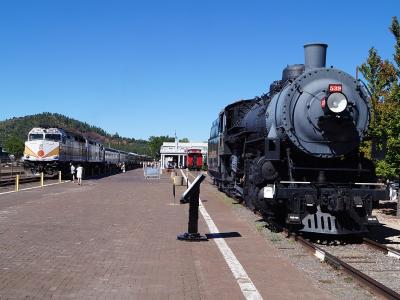
The district is a public street, free and open at all hours, and many visitors walk it before or after the Grand Canyon Railway, which leaves from the depot on the district's edge. Many of the historic buildings now hold private shops, restaurants and lodging.
Categories
More photos coming soon
Admission Fees
- Admission
- Free (public streets).
Hours and prices change, especially out of season. Check with the venue before you go.
Nearby Attractions
Other places to visit in Williams
Questions people ask
Quick Facts
Best Time to Visit
Late spring and early fall are mild. Summer is the busy season for the railway and Route 66 traffic, with afternoon monsoon storms from July. Winters are snowy, with an average of about 65 inches a year, and the holiday Polar Express trains run from early November to late December.