
Cabeza Prieta National Wildlife Refuge
803,418 acres of Sonoran Desert wilderness, by permit, with no services at all
- Admission
- Free
- A free access permit is required for the refuge lands. The visitor center needs no permit
- Hours
- Lands, roads and trails always open (permit required). Visitor center Mon-Fri 8 a.m.-4 p.m...
- Where
- Ajo, Tucson & Saguaro
- Directions
- Directions
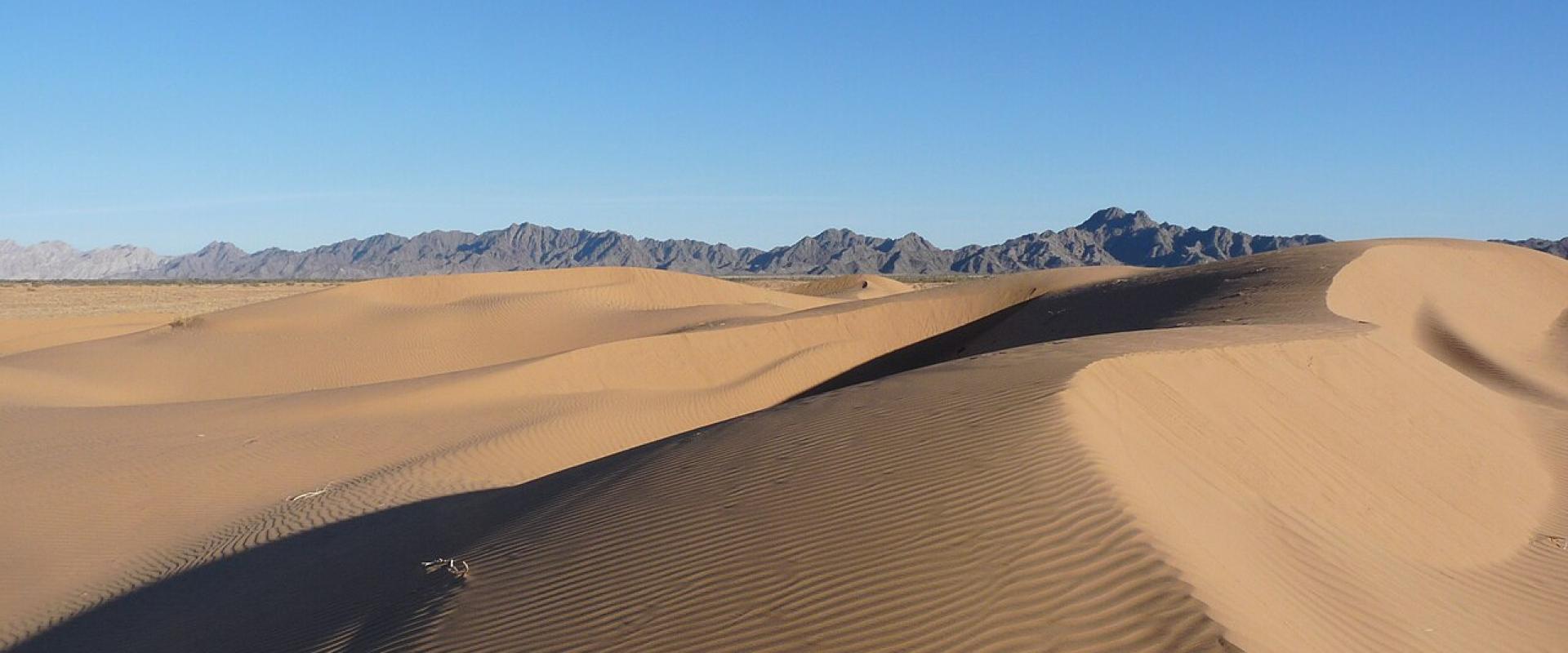
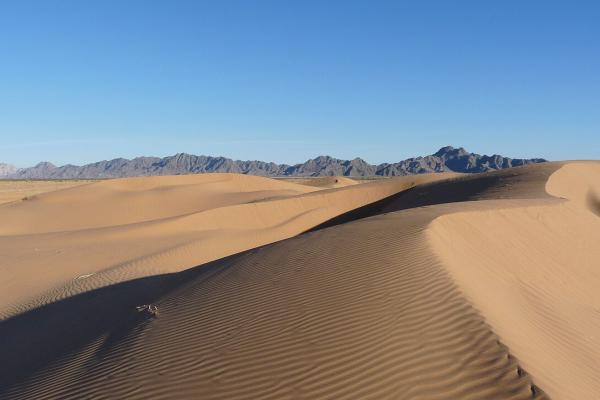
Few visitors get far into Cabeza Prieta, and that is the point. The refuge covers 860,010 acres of south-west Arizona, and 803,418 of those acres (93 percent) are designated wilderness, one of the largest wilderness areas in the contiguous United States. It began as a game range in 1939, became a national wildlife refuge in 1975, and takes its name, Spanish for "dark head", from a lava-topped granite peak in the west. It shares a long southern boundary with Mexico.
There is an easy way to sample it. The visitor center at 1611 North Second Avenue in Ajo has exhibits and is open Monday to Friday from 8 a.m. to 4 p.m. Behind it, a 0.2-mile interpretive loop has a bird blind and a pond of Quitobaquito pupfish. On the second Saturday of each month the refuge lets the public drive up Childs Mountain, about 1,500 feet above the desert, for views over the refuge and the Barry M. Goldwater Range. Call (520) 843-6867 for times.
Going further takes real preparation. Everyone needs a free permit, obtained online through the Barry M. Goldwater Range access system, with a copy kept on you. Motorized and mechanized travel of any kind is banned in the wilderness, so vehicles must stay on El Camino del Diablo, Christmas Pass and Charlie Bell roads. The first two require four-wheel drive and high clearance, while Charlie Bell allows two-wheel drive with high clearance, though four-wheel drive is recommended. The speed limit is 25 mph, and 15 mph near the pronghorn recovery pen on Charlie Bell Road. Groups of more than four vehicles and all trailers are not allowed, apart from stock trailers with a special permit.
There is no fuel, drinking water, restroom or cell signal out there. The refuge recommends two spare tires and spare mechanical parts, and at least two gallons of water per person per day in summer. Temperatures go well above 100°F in summer and as low as 20°F on winter nights. Primitive campgrounds along El Camino del Diablo have only picnic tables, and camping is limited to 14 days in any 28.
A section of wilderness extending 1,500 feet north from the entire southern boundary is temporarily closed to the public. For hikers, Charlie Bell Pass is a 1.5-mile route one way, at the end of Charlie Bell Road, where a natural seep has drawn people for centuries and over 2,700 petroglyphs have been documented within 200 feet of the well. The Sonoran pronghorn, desert bighorn and more than 350 bird species of the wider Sonoran Desert are the wildlife draw, most visible early and late in the day. Go between late autumn and early spring.
Categories
More photos coming soon
Hours & Fees
- Open
- Lands, roads and trails always open (permit required). Visitor center Mon-Fri 8 a.m.-4 p.m.
- Admission
- Free; a free access permit is required for the refuge lands. The visitor center needs no permit.
Hours and prices change, especially out of season. Check with the venue before you go.
Nearby Attractions
Other places to visit in Ajo
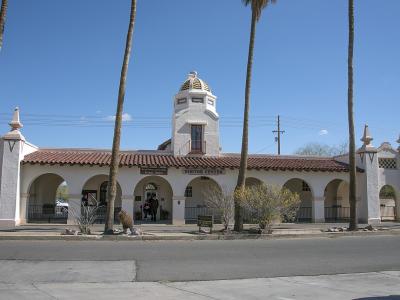
Ajo Historic Plaza
A company town's white Spanish-style town square, built in phases from 1916 to 1947
Free Architectural Landmarks · Historic Sites
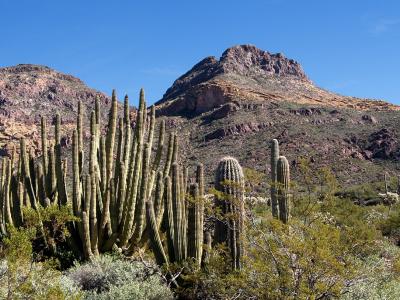
Organ Pipe Cactus National Monument
The only large natural stands of organ pipe cactus in the US, on the Mexican border
From $15 National Parks · Natural Wonders
Questions people ask
Quick Facts
Free
A free access permit is required for the refuge lands. The visitor center needs no permit.
Best Time to Visit
November to April. Summer highs usually pass 100°F, and the monsoon runs from about mid-July to mid-September.