Ajo
Former copper town with a white Spanish-style plaza, on the road to Organ Pipe
Be realistic about what is here This is a small, quiet place, and most people pass through it on the way somewhere else. The local nonprofit says more than a million cars a year drive past en route to Organ Pipe and the Mexican coast. Treat the town as a base for the two big protected areas nearby, plus an hour or two on the plaza. It suits a night or two better than a long stay.
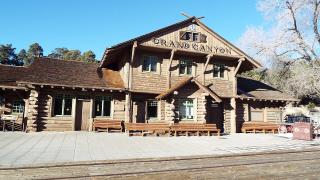
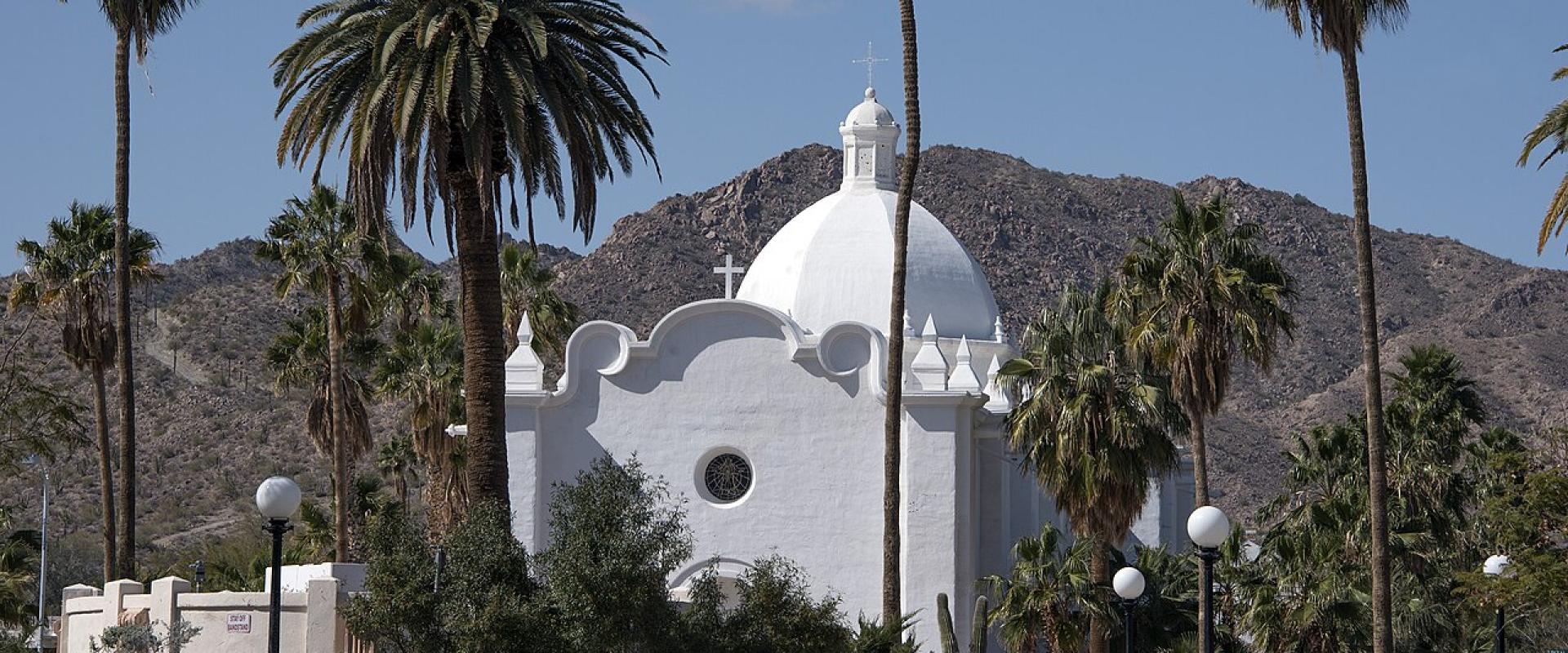
The Plaza and the School The reason to stop is the architecture. The Ajo Historic Plaza, built in phases between 1916 and 1947, is a set of white arcaded commercial buildings around a green park of tall palms, with the old train depot at its east end. Immaculate Conception Church is in view from the square. A short way off, the Curley School, a 1919 Spanish Colonial Revival building listed on the National Register of Historic Places, closed in 1995 and now houses live-work apartments for artisans. Both are private or working buildings, so look from outside unless a door is clearly open to the public. Murals from the Ajo Street Art Project appear around town.
Into the Desert Organ Pipe Cactus National Monument, 33 miles south, is the only place in the US with large natural stands of organ pipe cactus, and it deserves a full day. Cabeza Prieta National Wildlife Refuge has its visitor center in Ajo at 1611 North Second Avenue, open on weekdays from 8 a.m. to 4 p.m., with a short interpretive trail and a pond of Quitobaquito pupfish behind it. Its wilderness roads are another matter, needing a permit and in most cases a high-clearance four-wheel-drive vehicle. A monthly public drive up Childs Mountain, on the second Saturday, gives a view over the refuge. Call the refuge at (520) 843-6867 to confirm the timing.
Events The International Sonoran Desert Alliance, which bought the plaza in 2008, runs events on second Saturdays from October to May, including architecture tours, markets and live music in the Plaza Rec Hall, and holds an International Day of Peace celebration with a parade around September 21. Ajo Arts Weekend, a mural and performance event, runs every two years. Check with the Alliance for current dates, as its event pages are undated.
Getting There From Tucson, take Highway 86 west across the Tohono O'odham Nation to the village of Why, then turn north on Highway 85, about 135 miles in all. From Phoenix or Yuma, reach Gila Bend and follow Highway 85 south for about 40 miles. The nearest big airports are in Phoenix and Tucson. There is no public transport into the monument, so plan on a car.
Seasons Nearby Organ Pipe records daytime highs well above 100°F from mid-April to mid-September, and nights over 70°F. Winter has mild days, cool nights and the clearest skies, and wildflowers can begin as early as February. Arizona stays on Mountain Standard Time all year.
Best time to visit
November to April. Summer highs usually pass 100°F, and the monsoon runs from about mid-July to mid-September.
What to see in Ajo
Our picks first.
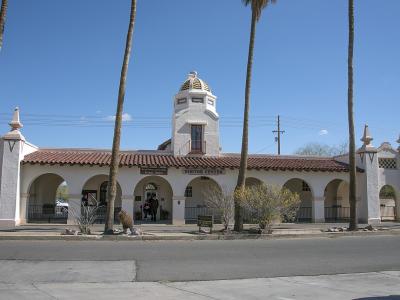
Ajo Historic Plaza
A company town's white Spanish-style town square, built in phases from 1916 to 1947
Free Architectural Landmarks · Historic Sites
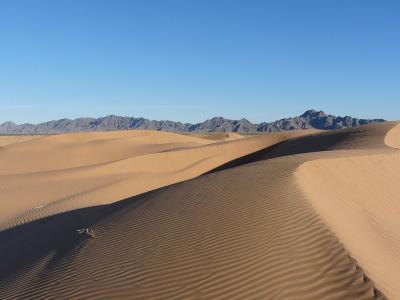
Cabeza Prieta National Wildlife Refuge
803,418 acres of Sonoran Desert wilderness, by permit, with no services at all
Free Outdoor Recreation · Wildlife Viewing
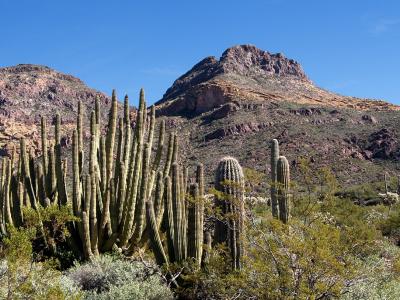
Organ Pipe Cactus National Monument
The only large natural stands of organ pipe cactus in the US, on the Mexican border
From $15 National Parks · Natural Wonders
Ajo by interest
The same sights, grouped by what you came for.
Did you know?
Checked facts about Ajo, each with its source.
-
History
Ajo was rebuilt a mile north to free the ore
The original town of Ajo sat right on top of the copper ore body, so a new company town was built about a mile north when the New Cornelia open-pit mine was developed. By the end of 1917 the mine had produced over 19 million pounds of copper.
Source: Western Mining History -
Trivia
Ajo's 1919 school now holds 30 artists' apartments
The Curley School was built in 1919 and paid for almost entirely by bonds bought by the mining company. After a remodel of about $10 million it reopened in 2007 as 30 live/work apartments for artists.
Source: KJZZ
Planning a visit to Ajo
Good to know
- Currency
- USD
- Language
- English