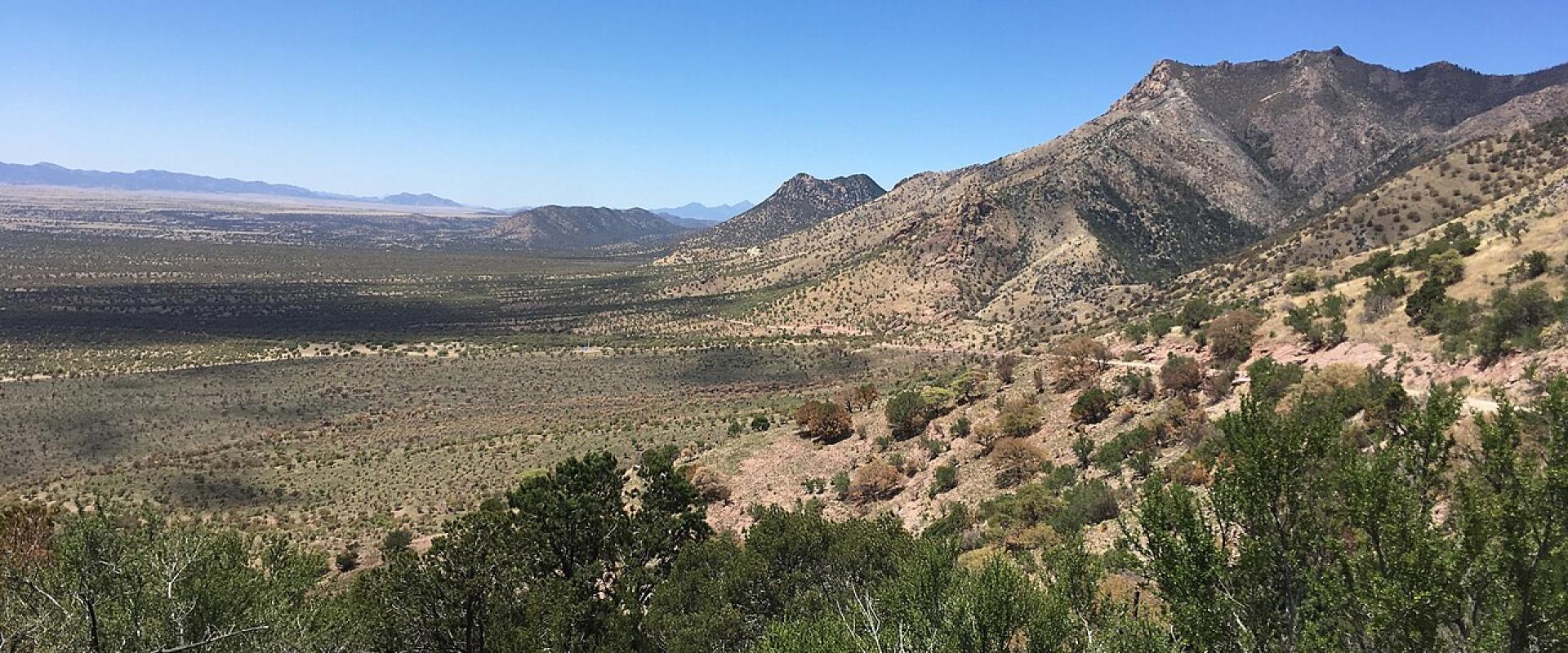
Coronado National Memorial
Border-top views of the San Pedro Valley, a wild limestone cave and the start of the Arizona Trail
- Admission
- Free. No entrance pass required (NPS, 2026).
- Hours
- Open daily from civil twilight at dawn to civil twilight at dusk (about half an hour befor...
- Where
- Sierra Vista, Tombstone & Bisbee
- Directions
- Directions
Coronado National Memorial covers 4,750 acres at the southern end of the Huachuca Mountains, about a mile from the Mexican border. It commemorates the first major European expedition into the American Southwest, led by Francisco Vázquez de Coronado from 1540 to 1542, when some 339 European soldiers and over a thousand Aztec allies went north in search of fabled cities of gold. There is no statue: the memorial is the land itself, the largest memorial in the National Park System. President Harry Truman established it on November 5, 1952, after the United States and Mexico failed to agree on a joint international memorial.
Coronado did not cross these mountains. Most historians think he followed the San Pedro River in the summer of 1540, and the memorial was placed here for its views over the valley that was probably his route. The visitor center, built in 1961 of fired adobe bricks from Mexico, has exhibits and murals on the expedition and on the meeting of Spanish and Indigenous cultures it set off.
The park also sits at an ecological crossroads, with plants and animals of the Sonoran and Chihuahuan deserts and the Rocky Mountain and Sierra Madre ranges. More than eight miles of trails cross grassland, oak woodland and piñon-juniper forest. The Coronado Peak Trail climbs 0.8 miles round trip from Montezuma Pass to benches with views into Sonora, Mexico, and over the San Pedro and San Rafael valleys. The Coronado Cave Trail climbs 500 feet in half a mile to an undeveloped limestone cave about 600 feet long. You need no permit, but you must scramble over slick boulders to reach the cave floor, and the Park Service says to bring at least two real light sources per person, because a phone light will not do. Longer routes include Joe's Canyon Trail, the Crest Trail toward Miller Peak, and the Yaqui Ridge Trail down to International Boundary Marker 102, the southern end of the 800-mile Arizona National Scenic Trail.
This is a day-use park. Dogs are not allowed on the hiking trails except the Crest Trail, the Nature Walk and the picnic area trail. In winter and spring a hiker shuttle typically runs a few days a week from the visitor center up to Montezuma Pass, so you can hike three miles back down. The summer monsoon season, officially June 15 to September 30, can bring severe thunderstorms and flash floods.
Categories
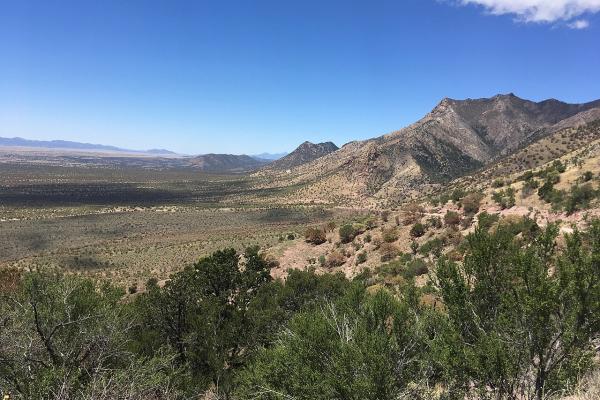
More photos coming soon
Hours & Fees
- Open
- Open daily from civil twilight at dawn to civil twilight at dusk (about half an hour before sunrise to half an hour after sunset). Visitor center 8 a.m. to 4 p.m. daily; closed New Year's Day, Thanksgiving and Christmas. Coronado Cave closed between sunset and sunrise (NPS, 2026).
- Admission
- Free. No entrance pass required (NPS, 2026).
Hours and prices change, especially out of season. Check with the venue before you go.
Nearby Attractions
Other places to visit in Sierra Vista
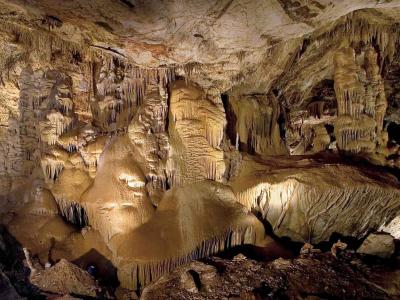
Kartchner Caverns State Park
A living limestone cave, kept secret for years and shown only on guided tours
From $5 Natural Wonders · State Parks
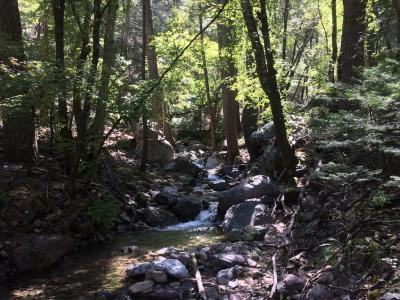
Ramsey Canyon Preserve
A cool, spring-fed canyon in the Huachucas, famous for hummingbirds
From $5 Wildlife Viewing · Hiking Trails
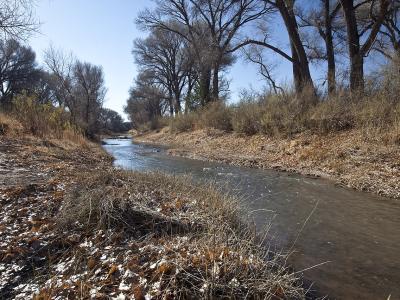
San Pedro Riparian National Conservation Area
Forty miles of cottonwood-lined river, birds by the hundred and 13,000 years of human history
From $2 Historic Sites · Wildlife Viewing
Questions people ask
Quick Facts
Free. No entrance pass required (NPS, 2026).
Best Time to Visit
April to September for birding in Ramsey Canyon; spring and fall for the San Pedro. July and August bring monsoon storms.