San Pedro Riparian National Conservation Area
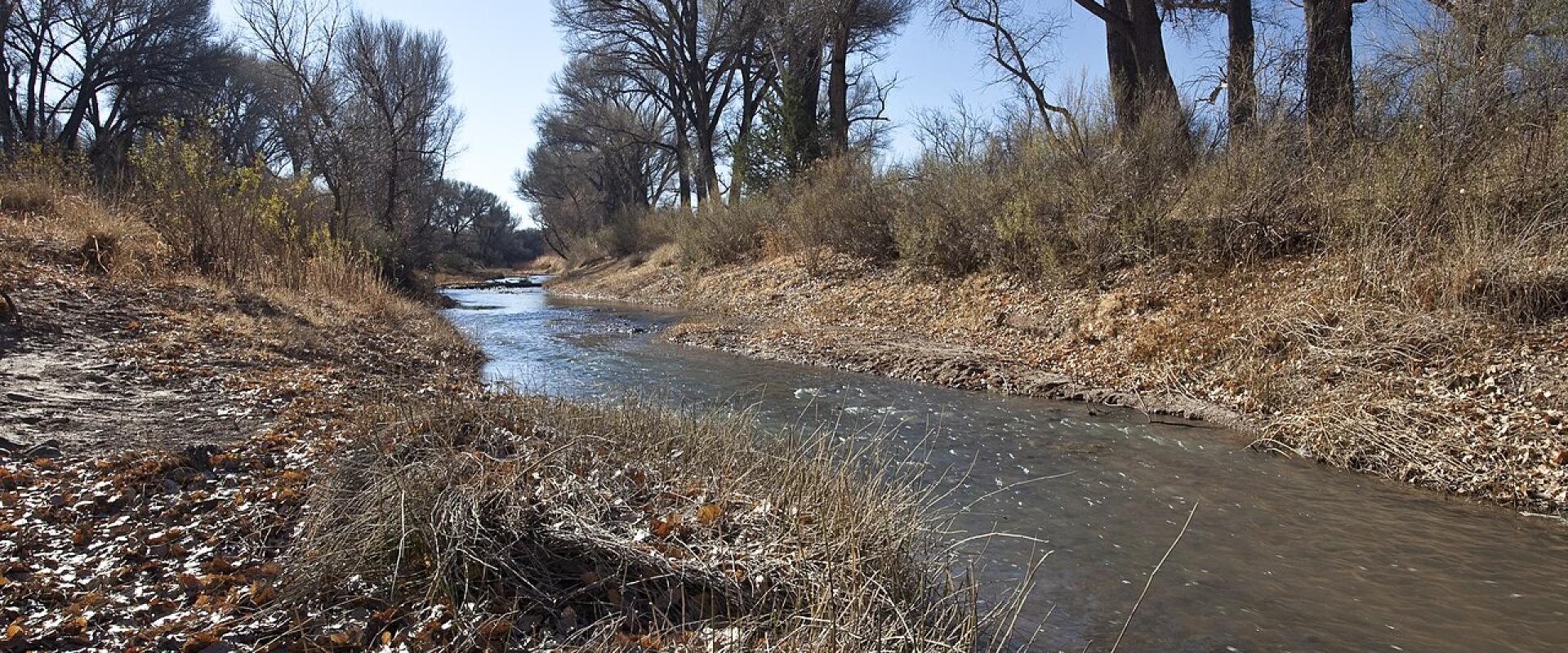
Forty miles of cottonwood-lined river, birds by the hundred and 13,000 years of human history
- Admission
- Day use is free and needs no permit. Backcountry camping requires a permit, $2 per person per night, from self-service pay stations (BLM, 2026).
- Hours
- Day use. San Pedro House gift shop and bookstore open 9:30 a.m. to 4:30 p.m. daily; the co...
- Where
- Sierra Vista, Tombstone & Bisbee
- Directions
- Directions
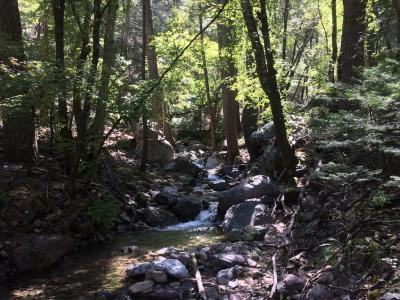
The Bureau of Land Management calls the riparian area along the San Pedro River one of the most important in the United States. In 1988 Congress set aside almost 57,000 acres of public land along about 40 miles of the upper river, from the Mexican border north to St. David, as the San Pedro Riparian National Conservation Area. It is a rare remnant of the streamside forests that once lined rivers across the desert Southwest.
The numbers explain why birders come. The BLM counts more than 80 species of mammals, more than 40 species of amphibians and reptiles and 100 species of breeding birds along the river, and the corridor gives habitat to some 250 species of migrant and wintering birds. Birdwatching is best in spring and fall.
People have been here a long time. Archaeological sites in the area show human occupation going back 13,000 years. The Murray Springs Clovis Site, one of the best-documented early human sites in North America, has an interpretive trail. The ruins of the Spanish Presidio Santa Cruz de Terrenate mark the northern reach of New Spain, and the old mining town of Fairbank is now a ghost town along the river.
Most visits start at the San Pedro House, a 1930s ranch house that is the visitor center and bookstore, six miles east of Sierra Vista. From there, packed-dirt paths wander through gardens and picnic areas, a hard-packed trail leads to the river and back past Kingfisher Pond, and a longer path of one to two miles reaches Phoebe Pond. Numbered interpretive signs line the trails, with a key booklet at the contact station. The Friends of the San Pedro River lead nature and history walks from the San Pedro House on Saturday mornings and bird walks twice a month; call ahead for the schedule.
Other parking areas and trailheads include Fairbank, Murray Springs, Terrenate, Hereford Bridge and Palominas. The river floods in season and summer monsoons are common. The BLM also notes that the valley is a route for people crossing illegally from Mexico and asks visitors to avoid contact with anyone behaving suspiciously and to report it. Hunting is allowed in much of the area outside quarter-mile safety zones around developed sites.
Categories
More photos coming soon
Hours & Fees
- Open
- Day use. San Pedro House gift shop and bookstore open 9:30 a.m. to 4:30 p.m. daily; the contact station is staffed seven days a week (BLM, 2026).
- Admission
- Day use is free and needs no permit. Backcountry camping requires a permit, $2 per person per night, from self-service pay stations (BLM, 2026).
Hours and prices change, especially out of season. Check with the venue before you go.
Nearby Attractions
Other places to visit in Sierra Vista
Kartchner Caverns State Park
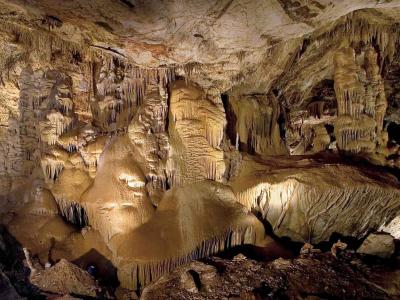
A living limestone cave, kept secret for years and shown only on guided tours
From $5 Natural Wonders · State Parks
Coronado National Memorial
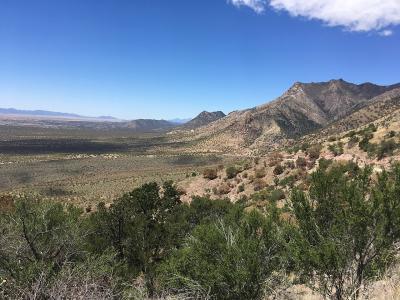
Border-top views of the San Pedro Valley, a wild limestone cave and the start of the Arizona Trail
Free National Parks · Hiking Trails
Ramsey Canyon Preserve
A cool, spring-fed canyon in the Huachucas, famous for hummingbirds
From $5 Wildlife Viewing · Hiking Trails
Questions people ask
Quick Facts
Day use is free and needs no permit. Backcountry camping requires a permit, $2 per person per night, from self-service pay stations (BLM, 2026).
Best Time to Visit
April to September for birding in Ramsey Canyon; spring and fall for the San Pedro. July and August bring monsoon storms.