
Camp Verde
Interstate town with a preserved Army fort, Sinagua cliff dwellings and a sacred sinkhole
History The valley's oldest visible story is Sinagua. Beginning around 1050 these farmers built pueblos and cliff houses along Beaver Creek and the Verde, and they left by about 1400 for reasons still debated. Some Hopi clans regard them as ancestors, and the Yavapai and Apache have their own accounts.
The Army period is more bitter than the restored buildings suggest. In 1873 a reservation was established at Rio Verde, near today's Cottonwood, and nearly 1,500 people were placed on it. They dug an irrigation ditch and were farming 56 acres by 1874. In 1875, under pressure from Tucson businessmen, the entire population was forced to march 180 miles to San Carlos in late February, and about 100 died or disappeared on the way. The Army left Fort Verde in 1891. The Yavapai-Apache Nation remains in the valley today.
What to See Montezuma Castle National Monument protects a 20-room cliff dwelling high in a limestone wall, seen from a short paved loop trail shaded by sycamores. Its name is a mistake: neither Montezuma nor the Aztecs had anything to do with it. Eleven miles to the northeast, Montezuma Well is a separate and free unit of the monument, a limestone sinkhole holding over 15 million gallons of water, with cliff rooms around the rim and an ancient irrigation canal still visible below. Don't skip it just because the Castle is more famous.
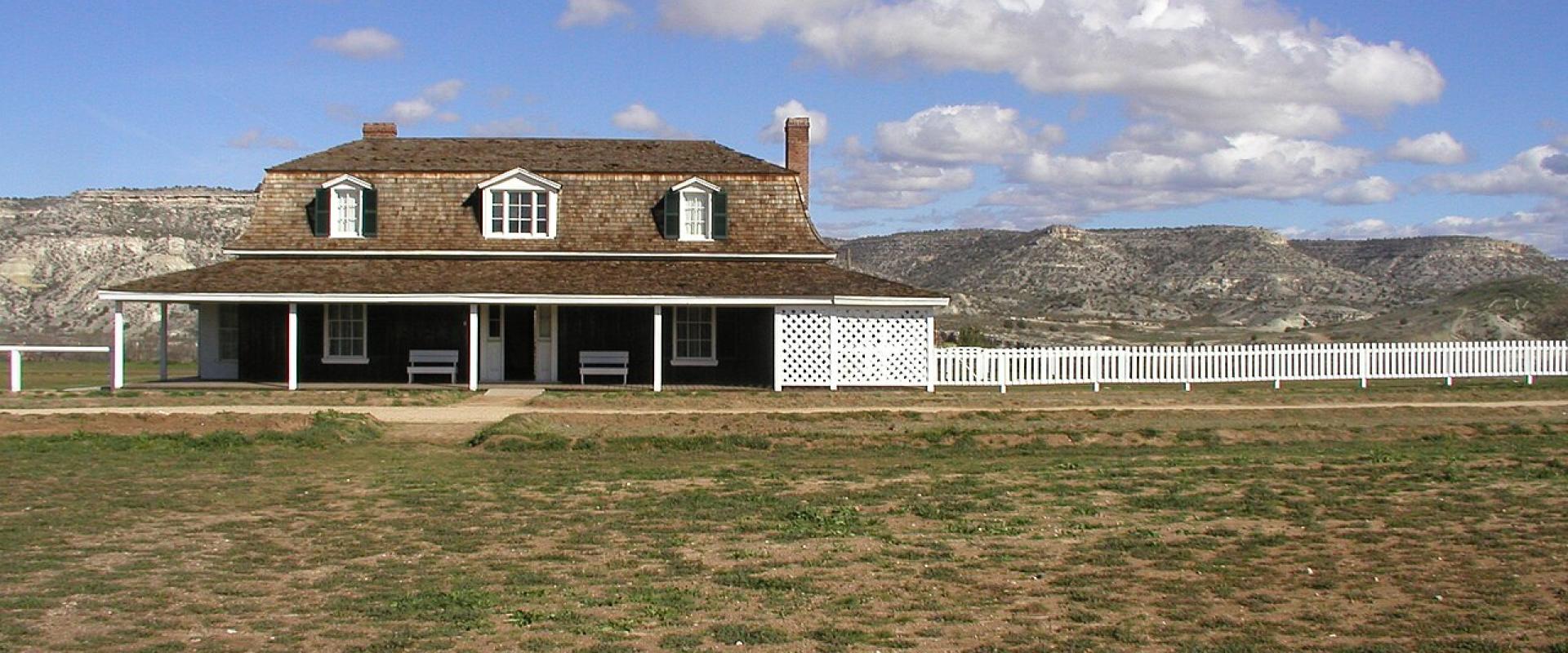
In town, Fort Verde State Historic Park keeps several original 1870s buildings, furnished as they might have been in the 1880s, around part of the old parade ground. East of the interstate, the Crane Petroglyph Heritage Site, known until 2024 as V Bar V, has more than 1,000 petroglyphs on a sandstone wall by Beaver Creek. It opens only four days a week, so check before you go.
Timing a Visit The National Park Service says most people spend about 30 minutes at the Castle and 45 minutes at the Well, and it's about a 20-minute drive between them. Adding the fort and Crane Petroglyph makes a full and satisfying day, though Crane's schedule will decide whether that works on your dates. Rattlesnakes are common at the monument in warm months, so stay on the trails.
Getting There Three interstate exits serve the town: 285, 287 and 289. Exit 289 is the one for Montezuma Castle, and exit 293 for Montezuma Well. The historic downtown and Fort Verde are about a mile off the highway. Exit 287 is also where State Route 260 leads west to Cottonwood, 16 miles away, and east to Payson. By road, Phoenix Sky Harbor is about 96 miles and Flagstaff about 55. Sedona is about 27 miles, using Interstate 17 and State Route 179.
Events The town's annual calendar includes a Pecan, Wine and Antiques Festival in February, a Crawdad Festival in June, a Corn Fest in July and Fort Verde Days in October. Camp Verde was recognized as a Dark Sky Community in 2018, and the night sky over the valley rewards anyone staying over. The town's visitor site, Visit Camp Verde, posts current dates.
Best time to visit
March, April and October are the busiest and most comfortable months at Montezuma Castle. July and August are the quietest, and they're hot.
What to see in Camp Verde
Our picks first.
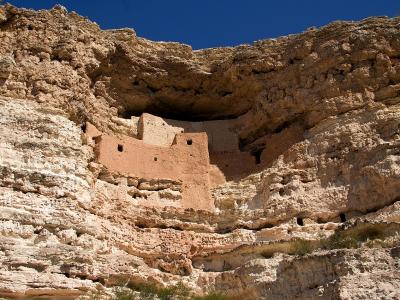
Montezuma Castle National Monument
A five-story, 20-room Sinagua cliff dwelling set high in a limestone wall
From $10 Historic Sites · National Parks
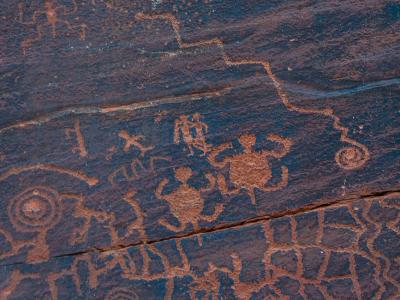
Crane Petroglyph Heritage Site
Over 1,000 Sinagua petroglyphs on Beaver Creek, known until 2024 as V Bar V
From $5 Historic Sites · Native American Heritage
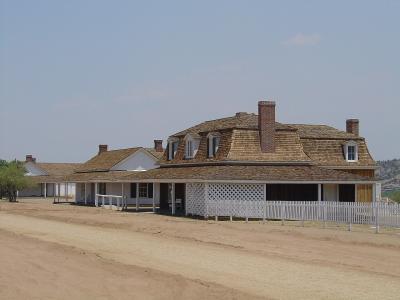
Fort Verde State Historic Park
The best-preserved Indian Wars fort in Arizona, with original 1870s buildings around a parade ground
From $5 Historic Sites · Museums
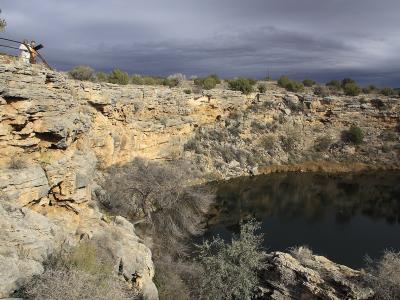
Montezuma Well
A limestone sinkhole holding 15 million gallons, with endemic species and cliff rooms at its rim
Free National Parks · Natural Wonders
Camp Verde by interest
The same sights, grouped by what you came for.
Did you know?
Checked facts about Camp Verde, each with its source.
-
Name Origin
Montezuma Castle was empty before Montezuma was born
Settlers named the cliff dwelling for the Aztec emperor Montezuma, but he had no connection to it. The Sinagua had abandoned it almost a century before he was born.
Source: National Park Service -
History
Montezuma Castle was one of America's first four national monuments
On December 8, 1906, Theodore Roosevelt declared four sites, Montezuma Castle among them, the first national monuments. Visitors climbed a series of ladders into the cliff dwelling until public access ended in 1951.
Source: National Park Service -
History
Malaria forced the Army to move Camp Verde
An early post near here, Camp Lincoln, was set up in December 1865 and renamed Camp Verde in 1868. Malaria plagued it so badly that in 1870 the Army decided to move it to the site now preserved as Fort Verde.
Source: Arizona State Parks
Planning a visit to Camp Verde
Good to know
- Currency
- USD
- Language
- English
Quick Facts
Book your stay
Questions people ask
More places in Sedona & Verde Valley
Sedona & Verde Valley
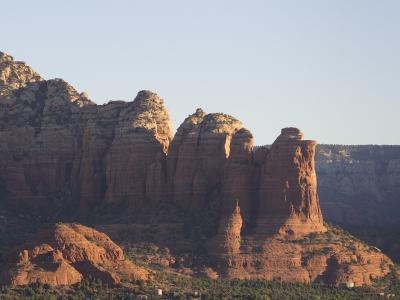
Sedona
Red sandstone buttes, Oak Creek and trailhead parking you need to plan for
Sedona & Verde Valley
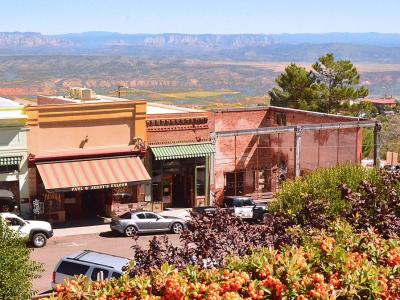
Jerome
Former copper town stacked on Cleopatra Hill, with a mansion museum and long valley views
Sedona & Verde Valley
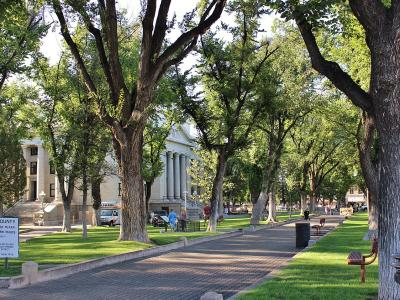
Prescott
Arizona's territorial capital: a courthouse plaza, Whiskey Row and pine country at 5,300 feet
Sedona & Verde Valley
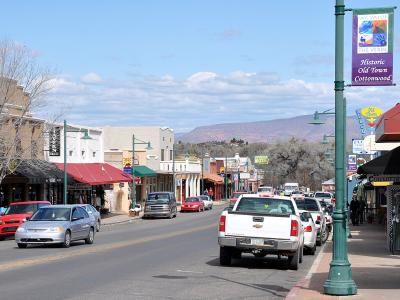
Cottonwood
Verde River town with a walkable Old Town, a state park and a Sinagua pueblo on its edge