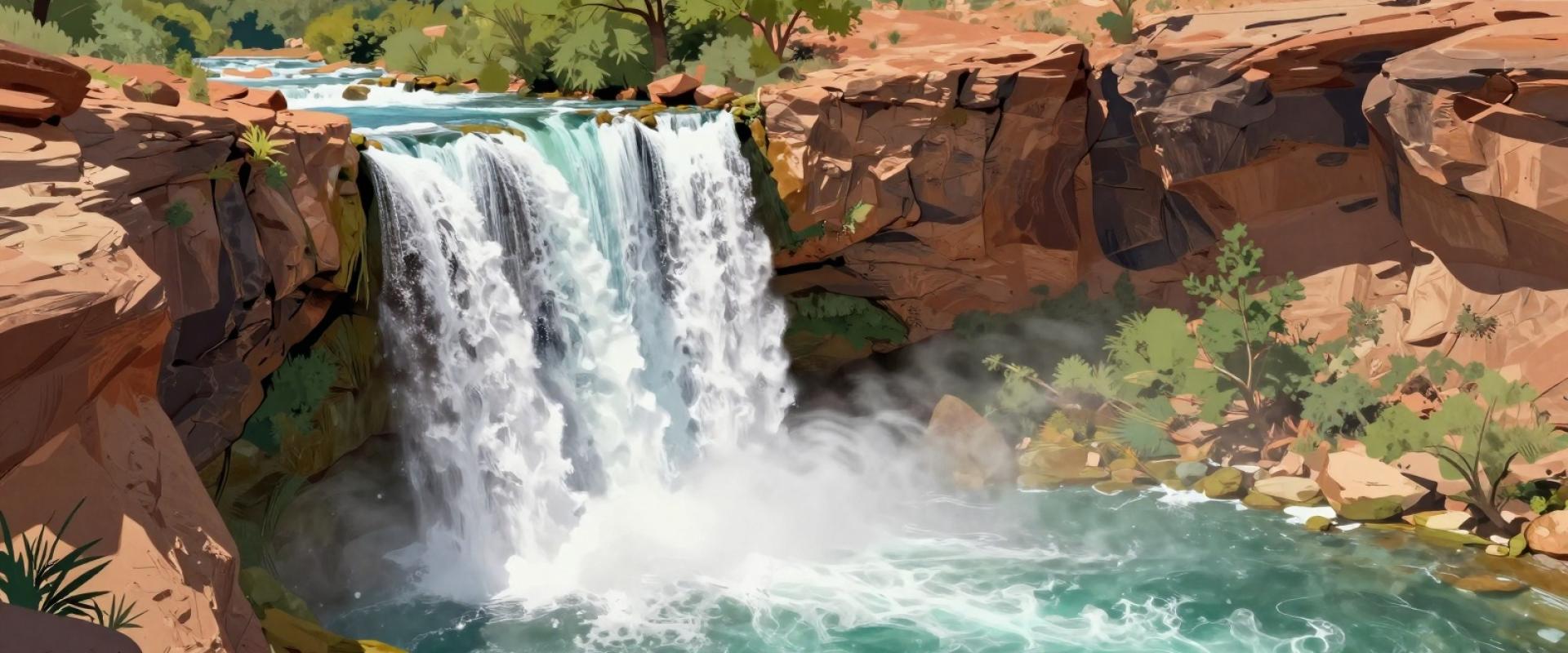
Havasu Falls
A 90-to-100-foot blue-green waterfall on Havasu Creek, on Havasupai land and reached only with a tribal permit
- Admission
- 2026: campground permit $455 per person for 3 nights
- Lodge $2,277 per room for 3 nights (up to 4 people); children 6 and under free with a permit holder. Book only at havasupaireservations.com (Havasupai Tribe)
- Hours
- By permit only; all bookings are 4 days/3 nights. The trail is open 24 hours (Havasupai Tr...
- Where
- Supai, Grand Canyon & Kaibab Plateau
- Directions
- Directions
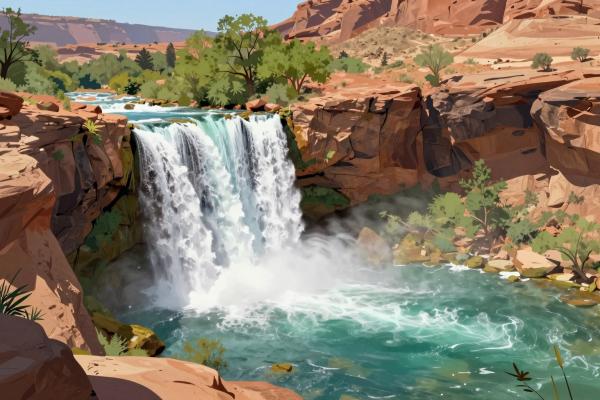
Havasu Falls is the best-known waterfall on Havasu Creek, in Havasu Canyon on the Havasupai Indian Reservation, about 1.5 miles below the village of Supai. The creek pours as a single chute over a cliff of about 90 to 100 feet into a series of plunge pools. Its blue-green color, which gives the Havasupai, the People of the Blue Green Water, their name, comes from the high concentration of calcium carbonate in the spring-fed water, which also builds the travertine dams that hold the pools. The tribe says the water is about 70°F all year.
The falls do not keep one shape. Floods have rearranged them many times. Before a flood in 1910 the water came over the cliff in a near-continuous sheet and the falls were known as Bridal Veil Falls; the notch it pours through first appeared in 1910 and has changed since, sometimes splitting the flow into more than one stream. Flooding along the creek is common, and a flood in August 2008 forced an evacuation of the canyon and closed it to visitors until 2009.
There is no way to see Havasu Falls without a Havasupai permit. Every visitor must book in advance on the tribe's own site, every booking is four days and three nights, and for 2026 a campground permit cost $455 per person and a lodge room $2,277 for up to four people. The trail from Hualapai Hilltop drops 8 miles to Supai, and the campground is another 2 miles beyond, close to the falls. The tribe's suggested plan spends a full day on the lower waterfalls (Havasu, Mooney and Beaver) and another on the upper falls (Fiftyfoot and Little Navajo).
Swimming in the pools is part of the draw, and it is possible to swim behind the falls, but people have drowned here. In monsoon season, usually July to September, rain brings a real risk of flash floods: if you see or hear floodwater, get to high ground, and the tribe says not to go past the top of Mooney Falls or into narrow parts of the canyon when it is raining. Peak season is May to September, when temperatures on the trail can pass 100°F.
You are a guest on tribal land. Personal photos of yourself and the scenery are allowed, but not of tribal members, animals, homes or sacred sites, and drones and commercial photography are banned. The reservation is dry, pets and service animals are not allowed, and you must carry out all your trash. On August 31, 2026, the tribe said Havasupai was open and that the flood reports that week concerned Grand Canyon National Park, not the reservation.
Categories
More photos coming soon
Hours & Fees
- Open
- By permit only; all bookings are 4 days/3 nights. The trail is open 24 hours (Havasupai Tribe, 2026).
- Admission
- 2026: campground permit $455 per person for 3 nights; lodge $2,277 per room for 3 nights (up to 4 people); children 6 and under free with a permit holder. Book only at havasupaireservations.com (Havasupai Tribe).
Hours and prices change, especially out of season. Check with the venue before you go.
Nearby Attractions
Closest attractions by distance
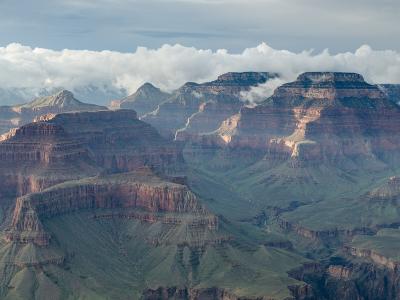
Hermit Road
Seven miles of South Rim road west to Mary Colter's Hermits Rest, shuttle-only most of the year and open to cars only in winter
From $20 National Parks · Scenic Drives
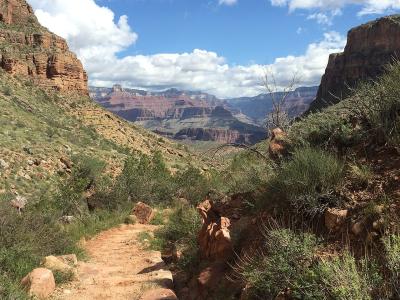
Bright Angel Trail
The South Rim's most-used trail into the canyon, open to River Resthouse as of November 2026 but with its water stations off
From $20 National Parks · Hiking Trails
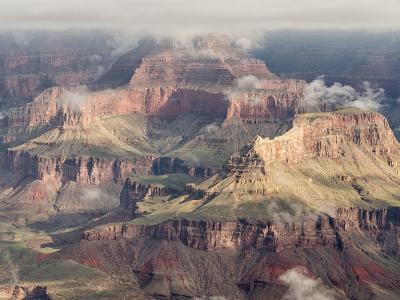
Mather Point
The South Rim overlook a five-minute walk from the visitor center, with views 30 miles east and 60 miles west
From $20 National Parks · Natural Wonders
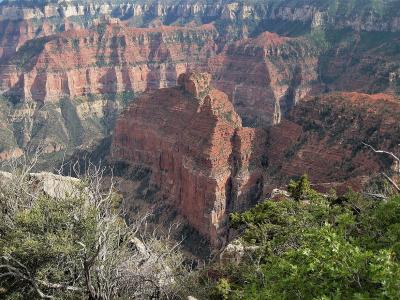
Point Imperial
At 8,803 feet, the highest point on the Grand Canyon's rim, looking east to the Painted Desert
From $30 National Parks · Natural Wonders
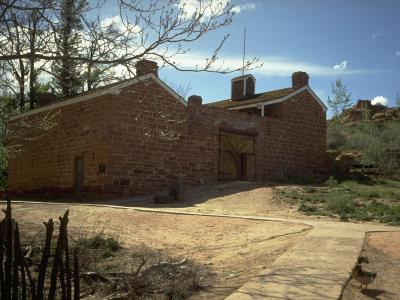
Pipe Spring National Monument
A desert spring, a sandstone fort built by Latter-day Saint ranchers, and the story of the Kaibab Paiute, open all year
From $3 Historic Sites · Historic Buildings
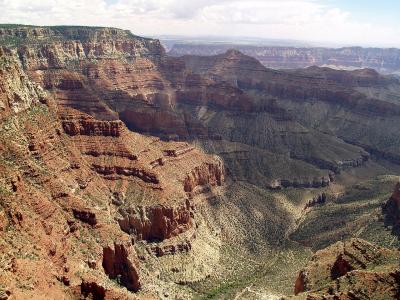
Cape Royal
The southernmost North Rim viewpoint you can drive to, with a 270-degree view and the arch of Angels Window
From $30 National Parks · Natural Wonders
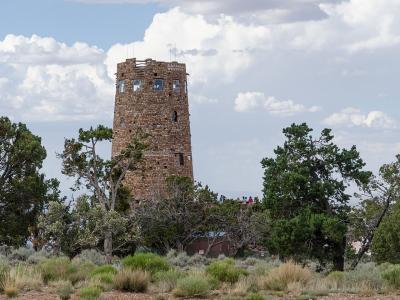
Desert View Watchtower
Mary Colter's 1932 stone tower at the east end of the South Rim, looking down on the Colorado River where Marble Canyon opens out
From $35 Architectural Landmarks · National Parks
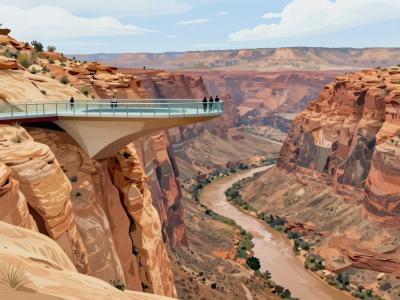
Grand Canyon West and the Skywalk
The Hualapai Tribe's own rim of the Grand Canyon, with a glass walkway over the edge at Eagle Point
From $99 Architectural Landmarks · Natural Wonders
Questions people ask
Quick Facts
2026: campground permit $455 per person for 3 nights
Lodge $2,277 per room for 3 nights (up to 4 people); children 6 and under free with a permit holder. Book only at havasupaireservations.com (Havasupai Tribe).
Best Time to Visit
The tribe says the cooler months are best for hiking and the warmer months for the water; May to September is peak season, with heat over 100°F and monsoon flash-flood risk from July to September. Every visit needs a permit booked in advance, and 2027 permit dates had not been announced as of November 2026.