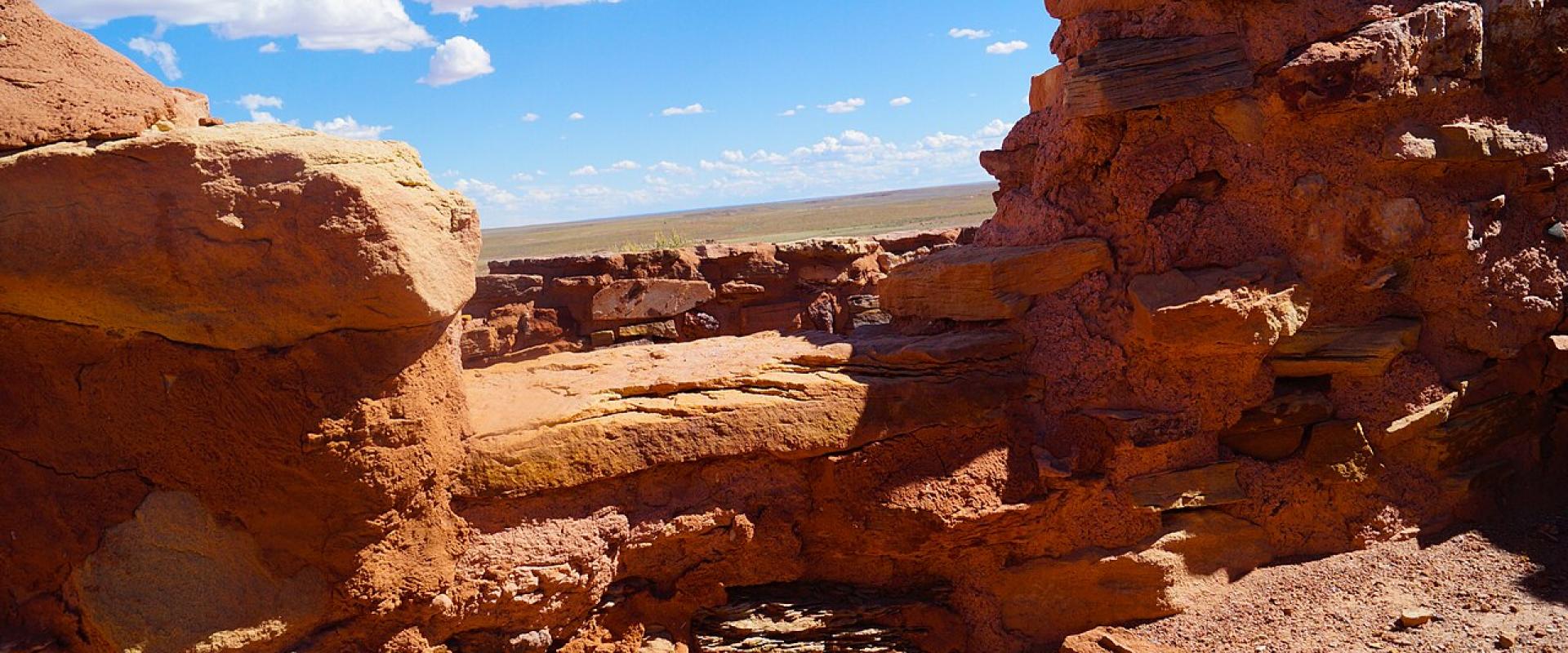
Homolovi State Park
Ancestral Hopi villages on the Little Colorado River, with a museum, a campground and an observatory
- Admission
- 2026 (azstateparks.com): $10 per vehicle with 1 person, $20 per vehicle with 2-4 people, $5 per individual or bicycle.
- Hours
- Park, visitor center and museum 8 a.m. to 5 p.m. daily; 8 a.m. to 2 p.m. on Thanksgiving a...
- Where
- Winslow, Flagstaff & Painted Desert
- Directions
- Directions
Homolovi is Hopi for "place of the little hills", the traditional Hopi name for the Winslow area. Between the 1200s and the late 1300s, the people the Hopi call Hisat'sinom, the long-ago people, paused here on their migrations to farm the floodplain of the Little Colorado River, then moved north to join the villages on the Hopi Mesas. More than 300 archaeological sites have been identified in the park's 4,000-plus acres, including four major pueblos, and the Hopi still return to them for religious purposes.
The park exists because of looting. By the 1960s collectors were using a backhoe at Homolovi II to dig through burials and kivas. Winslow residents and Hopi leaders pushed for protection, the Legislature created the park in 1986, and it opened on May 22, 1993, as Homolovi Ruins State Park. At the Hopi Tribe's request, the State Parks Board removed "Ruins" from the name in 2011, because the Hopi consider these places spiritually alive.
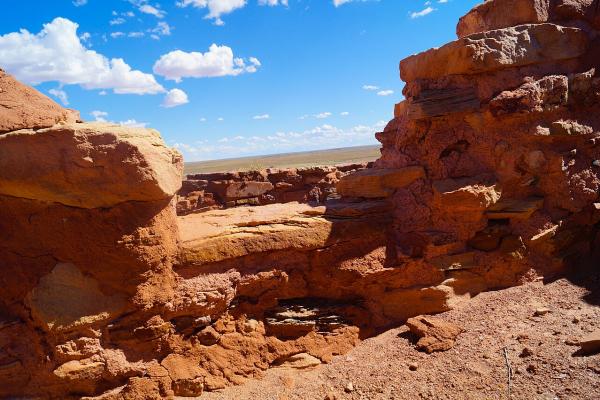
Start at the visitor center, which has exhibits on the archaeology of the Homolovi pueblos and on Hopi pottery, carving and other art, as well as a collection of artifacts returned to the park from the Winslow area. The main walk is the paved, wheelchair-accessible trail to Homolovi II, the largest site in the park, a pueblo with an estimated 1,200 to 2,000 rooms. An audio walking tour of Homolovi II can be streamed or downloaded through the park website. The Tsu'vö Trail, "path of the rattlesnake", is a half-mile loop between two buttes past milling-stone areas and petroglyphs; the 1.2-mile Nasungvö Trail crosses the grassland from the visitor center to the campground; and the 1.5-mile Diné Trail leads to a viewpoint. As of November 2026, Homolovi I, near the river, was temporarily closed because heavy rain had caused severe erosion damage, and ranger tours of Homolovi IV, normally closed to the public, were canceled for the autumn. Artifacts and rock art are protected. Hopi tradition holds that broken pottery and stones are now part of the land, so leave everything where it lies.
The open grassland is good for watching raptors and grassland birds, such as northern harriers, golden eagles and burrowing owls, and pronghorn and elk are sometimes seen. The Winslow Homolovi Observatory, with a 14-inch telescope, is the only permanent observatory in an Arizona state park and holds star parties on the second Saturday of the month from April to November. The campground has more than 50 sites with showers. Nearby, the small Sunset Cemetery is all that remains of a Mormon settlement founded in 1876 near a ford of the river.
Categories
More photos coming soon
Hours & Fees
- Open
- Park, visitor center and museum 8 a.m. to 5 p.m. daily; 8 a.m. to 2 p.m. on Thanksgiving and Christmas Eve; closed Christmas Day (azstateparks.com, November 2026). Homolovi I closed for erosion damage as of November 2026.
- Admission
- 2026 (azstateparks.com): $10 per vehicle with 1 person, $20 per vehicle with 2-4 people, $5 per individual or bicycle.
Hours and prices change, especially out of season. Check with the venue before you go.
Nearby Attractions
Other places to visit in Winslow
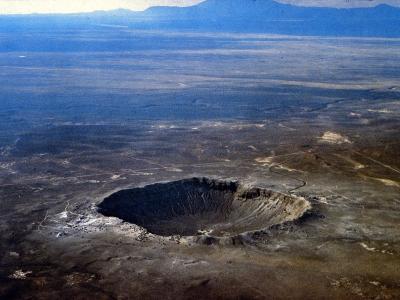
Meteor Crater
A privately run impact crater nearly a mile across and about 50,000 years old, with a museum and guided rim walks off I-40
From $25 Museums · Natural Wonders
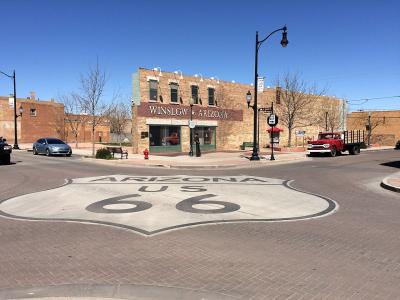
Standin' on the Corner Park
A downtown Winslow corner built around one line of 'Take It Easy', with a mural, a flatbed Ford and two statues
Historic Sites
Questions people ask
Quick Facts
2026 (azstateparks.com): $10 per vehicle with 1 person, $20 per vehicle with 2-4 people, $5 per individual or bicycle.
Best Time to Visit
Spring and fall are the most comfortable for walking at Homolovi and Meteor Crater. Summer is hot, with monsoon storms from June 15 to September 30; the Standin' on the Corner festival is traditionally in the last week of September.