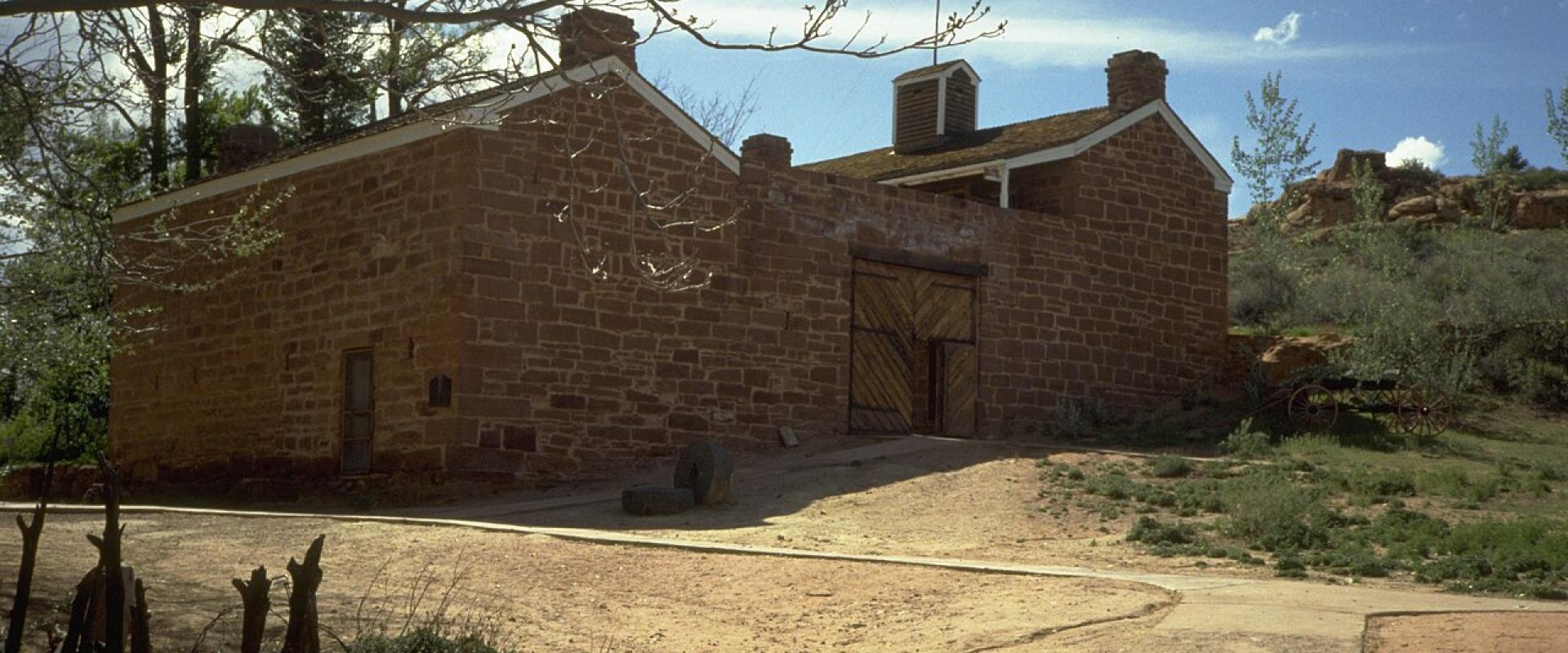
Pipe Spring National Monument
A desert spring, a sandstone fort built by Latter-day Saint ranchers, and the story of the Kaibab Paiute, open all year
- Admission
- $10 per person aged 16 and over, valid 7 days, including a $3 tribal use fee to the Kaibab Band of Paiute Indians
- Children 15 and under free; interagency passes accepted; cards only (NPS fees page, 2026)
- Hours
- Daily 8:30 am-4:30 pm Arizona time, with seasonal programs (NPS hours page, last updated N...
- Where
- Jacob Lake, Grand Canyon & Kaibab Plateau
- Directions
- Directions
Pipe Spring National Monument protects a water source on the Arizona Strip, the part of Arizona cut off from the rest of the state by the Grand Canyon. When the monument was proclaimed on May 31, 1923, the spring was the only water on the 62-mile road between Hurricane, Utah, and Fredonia, Arizona. People, plants and animals had relied on it for thousands of years. The Kaibab Band of Paiute Indians called this land home, and their reservation surrounds the 40-acre monument today.
Members of the Church of Jesus Christ of Latter-day Saints began settling the area in the 1850s, and the change they brought to the landscape set up, in NPS's words, conflict and compromise on the frontier. In 1870 the church established a cattle ranch here, and between 1870 and 1872 it built a fortified sandstone ranch house there. The fort is called Winsor Castle, after Anson P. Winsor, the ranch's first superintendent, and the church built it as a tithing cattle ranch. It stands with two smaller stone cabins from the same period, and the historic district's buildings date from 1863 to about 1885.
A visit is short and easy. Winsor Castle is about 150 yards, a five-minute walk, from the visitor center, and a tour of it takes about half an hour. Allow another half hour to an hour for the cultural museum, which the park and the Kaibab Paiute run jointly and which tells both the Native and pioneer stories. A half-mile trail climbs the ridge for about 30 minutes more. The grounds include ponds, an orchard, a vineyard and a living-history garden of settler and Native crops; in the fall visitors may pick free fruit and vegetables. There are also corrals with Texas Longhorns, a breed brought to Pipe Spring in the 1860s.
The monument lies inside the Kaibab Indian Reservation, which NPS calls the first Dark Sky Nation, and rangers hold star parties as well as guided hikes and seasonal tours.
Pipe Spring is on Arizona time, Mountain Standard Time all year, so in summer it is an hour behind neighboring Utah. Unlike the North Rim, it is open all year. It is 15 miles west of Fredonia on State Route 389, about an hour and 44 road miles from Jacob Lake, which makes it a natural stop when the road to the North Rim is closed.
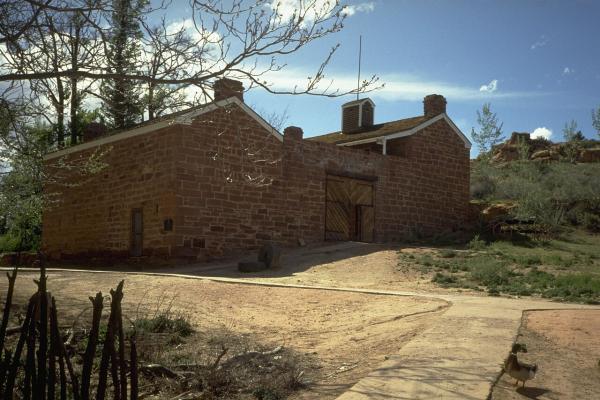
More photos coming soon
Hours & Fees
- Open
- Daily 8:30 am-4:30 pm Arizona time, with seasonal programs (NPS hours page, last updated November 2024; confirm current hours). In past years closed Thanksgiving, Christmas and New Year's Day.
- Admission
- $10 per person aged 16 and over, valid 7 days, including a $3 tribal use fee to the Kaibab Band of Paiute Indians; children 15 and under free; interagency passes accepted; cards only (NPS fees page, 2026).
Hours and prices change, especially out of season. Check with the venue before you go.
Nearby Attractions
Other places to visit in Jacob Lake
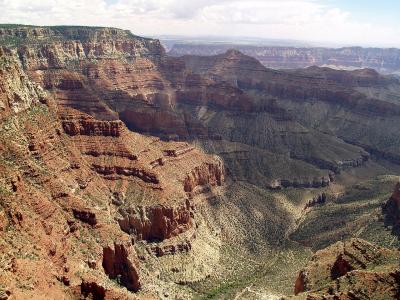
Cape Royal
The southernmost North Rim viewpoint you can drive to, with a 270-degree view and the arch of Angels Window
From $30 National Parks · Natural Wonders
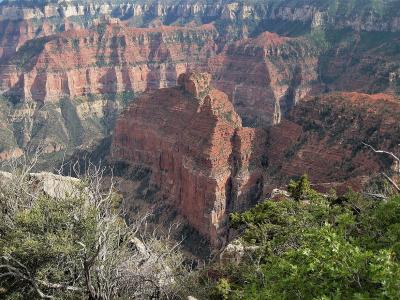
Point Imperial
At 8,803 feet, the highest point on the Grand Canyon's rim, looking east to the Painted Desert
From $30 National Parks · Natural Wonders
Questions people ask
Quick Facts
$10 per person aged 16 and over, valid 7 days, including a $3 tribal use fee to the Kaibab Band of Paiute Indians
Children 15 and under free; interagency passes accepted; cards only (NPS fees page, 2026).
Best Time to Visit
Mid-May to mid-October, when State Route 67 and the North Rim are normally open. The road to the North Rim closes every winter from December 1 to May 14. Pipe Spring National Monument, an hour west, is open year-round.