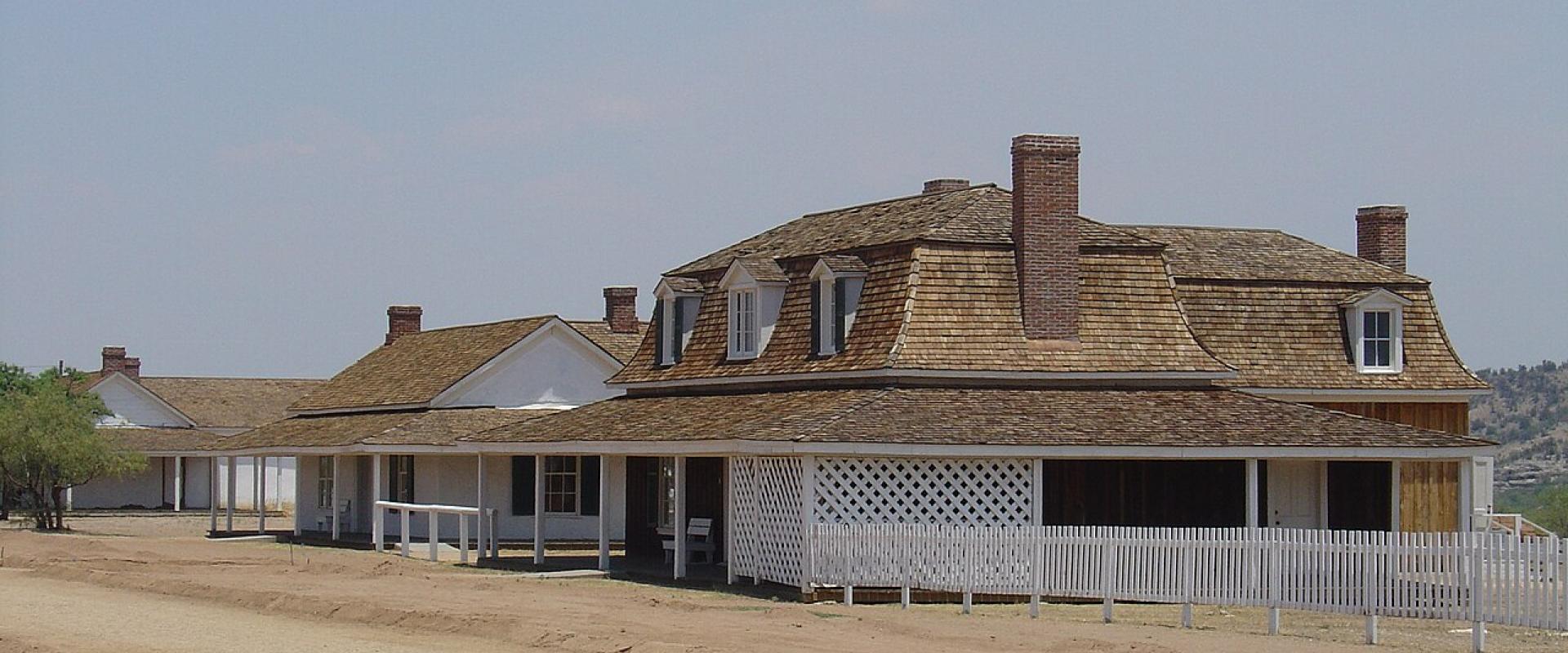
Fort Verde State Historic Park
The best-preserved Indian Wars fort in Arizona, with original 1870s buildings around a parade ground
- Admission
- Adults (14+) $10, youth (7 to 13) $5, children 6 and under free.
- Hours
- 9 a.m. to 4:30 p.m. daily. Thanksgiving and Christmas Eve 9 a.m. to 2 p.m. Closed Christma...
- Where
- Camp Verde, Sedona & Verde Valley
- Directions
- Directions
Fort Verde exists because farmers on the bottomlands near West Clear Creek came into conflict with the Yavapai and Tonto Apache who already lived there, and in 1865 they demanded protection. A volunteer unit, mostly Mexican recruits who often marched barefoot and on half rations, set up a tent camp that August. Regular troops followed. The post moved to its present site in 1871 after malaria plagued the earlier camp, and by 1873 it had 22 buildings around a parade ground. Named Camp Verde in 1868, it became Fort Verde in 1879 to signify permanence.
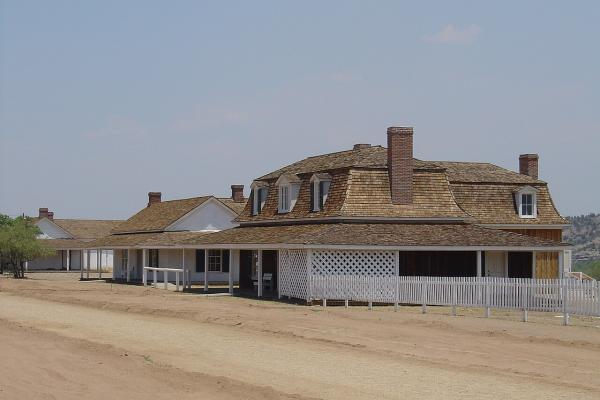
Arizona State Parks calls this the best surviving group of Indian Wars military buildings in the state. Four historic buildings and two ruins remain on 11.25 acres, along with part of the parade ground. Three are house museums on the National Register of Historic Places, furnished in the style of the 1880s, among them the Commanding Officer's Quarters. The former Administration Building is the visitor center, with exhibits on military life, the Indian Scouts and the wars themselves.
The exhibits don't hide the difficult parts. The fort was a base for General George Crook's soldiers and scouts, and part of a campaign to force the region's people onto reservations. In 1875, Congress ordered nearly 1,500 people on the Rio Verde Reservation near today's Cottonwood moved to San Carlos. On the 180-mile trek in late February about 100 people died or disappeared, through exposure, hunger and fighting. The last major action of the northern Apache Wars, the Battle of Big Dry Wash, took place 37 miles east of the fort on July 17, 1882.
The park also covers everyday life. A private earned $13 a month, and only about 110 enlisted men were usually posted here, although the fort reached a maximum of 306 enlisted men, 11 officers, 19 civilians and 36 Apache scouts. Contrary to Western movies, about 65 percent of soldiers in the Southwest were infantry. Troop I of the 10th Cavalry, Buffalo Soldiers, arrived in 1885. Twenty-seven doctors served here over the years, including naturalist Elliott Coues. Geronimo, the park's FAQ points out, spent his time in southeastern Arizona and Mexico.
The Army left on April 11, 1891, and the buildings were auctioned in 1899. Local residents worked from the 1950s to save what was left, and the state took over in 1970. Living history days are held periodically, and Fort Verde Days takes place each October. The events page has current dates.
Categories
More photos coming soon
Hours & Fees
- Open
- 9 a.m. to 4:30 p.m. daily. Thanksgiving and Christmas Eve 9 a.m. to 2 p.m. Closed Christmas Day.
- Admission
- Adults (14+) $10, youth (7 to 13) $5, children 6 and under free.
Hours and prices change, especially out of season. Check with the venue before you go.
Nearby Attractions
Other places to visit in Camp Verde
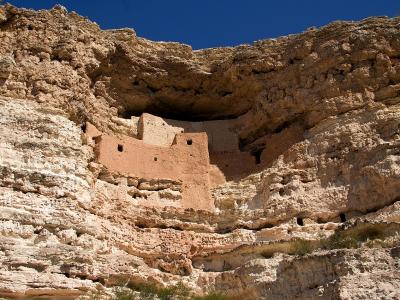
Montezuma Castle National Monument
A five-story, 20-room Sinagua cliff dwelling set high in a limestone wall
From $10 Historic Sites · National Parks
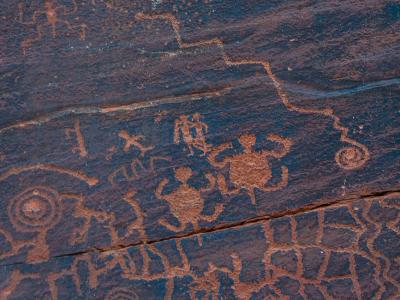
Crane Petroglyph Heritage Site
Over 1,000 Sinagua petroglyphs on Beaver Creek, known until 2024 as V Bar V
From $5 Historic Sites · Native American Heritage
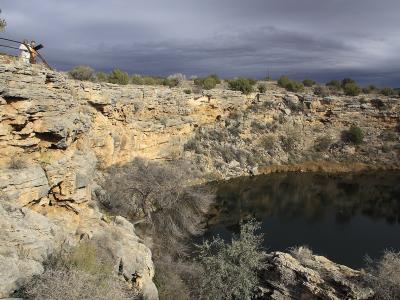
Montezuma Well
A limestone sinkhole holding 15 million gallons, with endemic species and cliff rooms at its rim
Free National Parks · Natural Wonders
Questions people ask
Quick Facts
Adults (14+) $10, youth (7 to 13) $5, children 6 and under free.
Best Time to Visit
March, April and October are the busiest and most comfortable months at Montezuma Castle. July and August are the quietest, and they're hot.