
Montezuma Castle National Monument
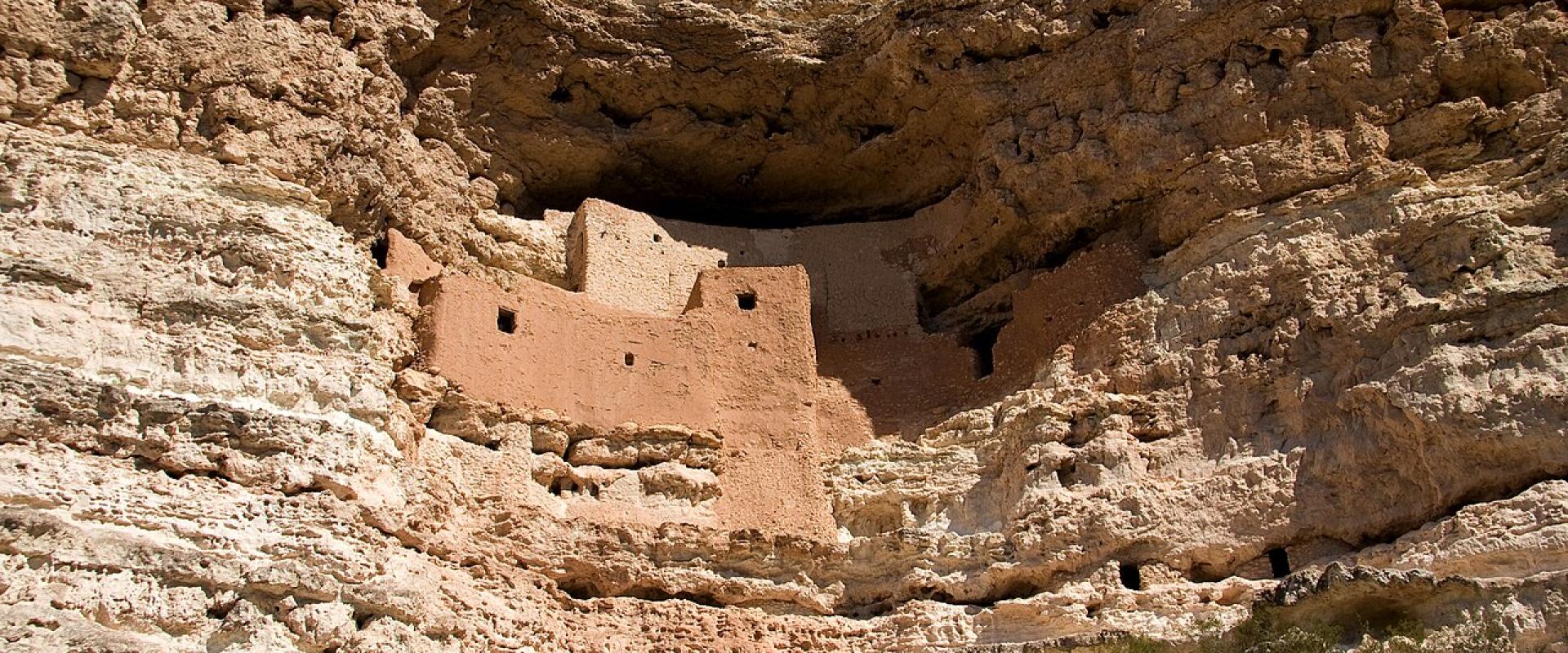
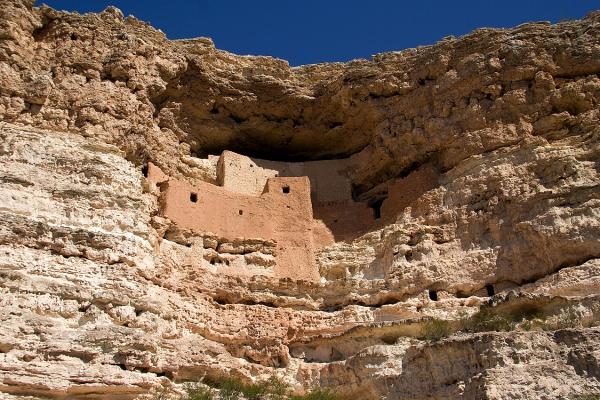
A five-story, 20-room Sinagua cliff dwelling set high in a limestone wall
- Admission
- $10 per adult aged 16 and over, covering Montezuma Castle and Tuzigoot for 7 days. Children 15 and under free. A $35 annual pass covers both. Montezuma Well is free.
- Hours
- 9 a.m. to 4:45 p.m. daily; the entrance gate, a mile from the visitor center, closes at 4:...
- Where
- Camp Verde, Sedona & Verde Valley
- Directions
- Directions
The name is wrong twice over. It isn't a castle, and Montezuma had nothing to do with it. The Aztec emperor was born after its builders had gone. European Americans named it in the 1860s, assuming that Aztecs were responsible, and the name stuck. What's actually here is one of the best-preserved cliff dwellings in North America: 20 rooms on multiple levels, tucked into an alcove high in a limestone cliff above Beaver Creek.
Construction began around 1100 CE. The Sinagua farmers who built it reached it by ladders. The cliff faces south, which kept the rooms warm in winter and cool in summer, and the height protected the building from the creek's floods. It may also have helped with communication between villages and with keeping rodents out of food stores. Unlike a European castle, it was more like an apartment building, with room for about 35 people, perhaps two or three families. The wider community here, including the dwelling known as Castle A and various pit houses, may have reached 150 to 200 people at its height.
People left the area around 1400, and nobody knows exactly why. Competition for resources, climate change and social conflict are among the possibilities, and Hopi tradition holds that these dwellings were never meant to be permanent. Today the National Park Service works with several associated tribes, including Hopi, Zuni, Yavapai and Apache, and stresses that the site is remembered rather than abandoned.
You can't go inside. Theodore Roosevelt declared this one of the first four national monuments on December 8, 1906, by which time looters had removed nearly everything of value. Early tourists climbed ladders up the cliff, but the damage ended that in 1951. Most of what you see today is original, including the timbers projecting from the wall. The visitor center plays a five-minute virtual tour of the interior that shows what the rooms look like.
The visit is short and easy. A paved, wheelchair-accessible 0.3-mile loop runs through a shaded grove of Arizona sycamores below the cliff, past the Castle and the burned ruin of Castle A, a pueblo of 45 to 50 rooms. There's a small museum, a bookstore and a picnic area by Beaver Creek. Pair the visit with Montezuma Well, 11 miles away. Rattlesnakes are common in warm months, so stay on the trail. Spring and October are the busiest times.
Categories
More photos coming soon
Hours & Fees
- Open
- 9 a.m. to 4:45 p.m. daily; the entrance gate, a mile from the visitor center, closes at 4:45 p.m. Closed Christmas Day and New Year's Day, and may close early on December 24, December 31 and the day before Thanksgiving (NPS, November 2026).
- Admission
- $10 per adult aged 16 and over, covering Montezuma Castle and Tuzigoot for 7 days. Children 15 and under free. A $35 annual pass covers both. Montezuma Well is free.
Hours and prices change, especially out of season. Check with the venue before you go.
Nearby Attractions
Other places to visit in Camp Verde
Crane Petroglyph Heritage Site
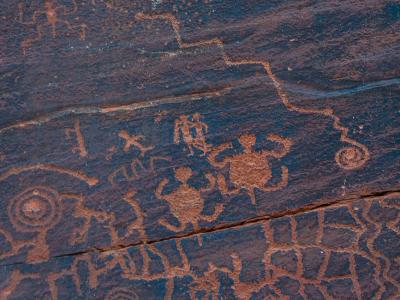
Over 1,000 Sinagua petroglyphs on Beaver Creek, known until 2024 as V Bar V
From $5 Historic Sites · Native American Heritage
Fort Verde State Historic Park
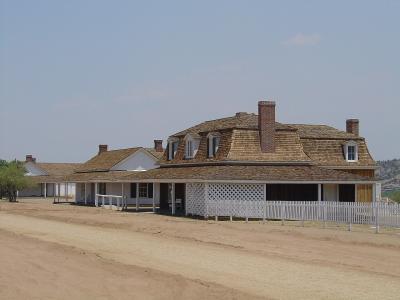
The best-preserved Indian Wars fort in Arizona, with original 1870s buildings around a parade ground
From $5 Historic Sites · Museums
Montezuma Well
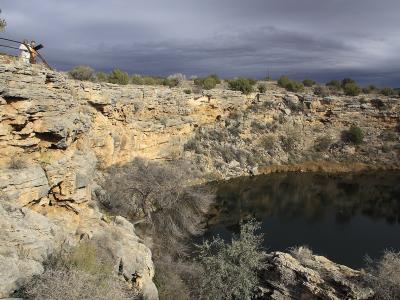
A limestone sinkhole holding 15 million gallons, with endemic species and cliff rooms at its rim
Free National Parks · Natural Wonders
Questions people ask
Quick Facts
$10 per adult aged 16 and over, covering Montezuma Castle and Tuzigoot for 7 days. Children 15 and under free. A $35 annual pass covers both. Montezuma Well is free.
Best Time to Visit
March, April and October are the busiest and most comfortable months at Montezuma Castle. July and August are the quietest, and they're hot.