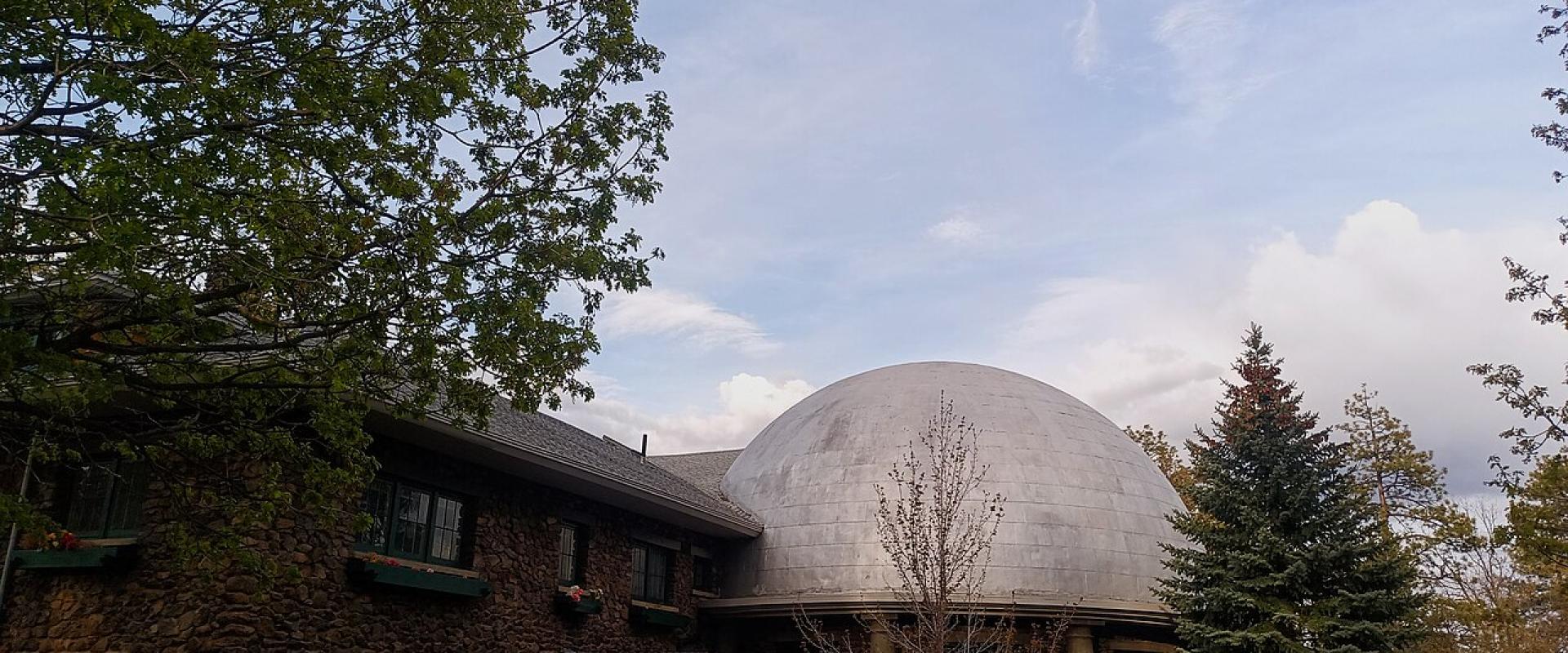
Lowell Observatory
The 1894 observatory on Mars Hill where Pluto was discovered, open afternoons and evenings for tours and telescope viewing
- Admission
- General admission (lowell.edu, November 2026): adults 18+ $35, seniors 55+ $30, children 6-17 $20, younger children free. Admission plus a Dark Sky Planetarium show: $43 adults, $38 seniors, $28 children. Valid all day with re-entry.
- Hours
- November 2026 (lowell.edu): noon to 10 p.m. Monday and Wednesday to Sunday; closed Tuesday...
- Where
- Flagstaff, Flagstaff & Painted Desert
- Directions
- Directions
Percival Lowell, a Boston astronomer who hoped to find life on Mars, founded this observatory in 1894 on Mars Hill, a mesa about a mile west of downtown Flagstaff at 7,250 feet. He chose Flagstaff for its altitude, dark skies and railroad, and he spent years drawing what he believed were canals on Mars. The discoveries that made Lowell famous came from other questions. In 1912 V.M. Slipher measured the redshifts of spiral galaxies, the first evidence that the universe is expanding. In February 1930 Clyde Tombaugh, hired to run a new 13-inch astrograph in the search for a "Planet X", found Pluto on its photographic plates. In the 1960s the observatory's Clark Telescope was used to make detailed Moon maps for the Apollo missions. The observatory became a National Historic Landmark in 1965.
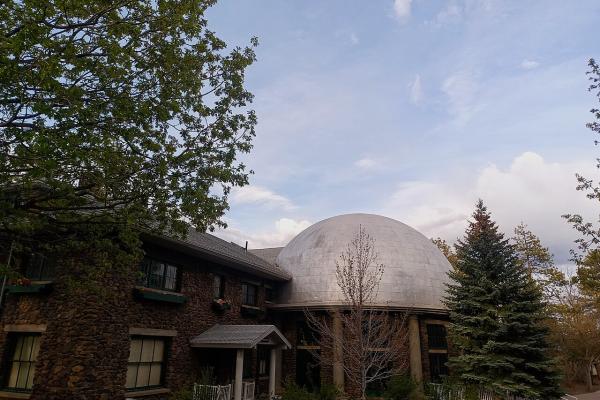
A visit is part museum, part working observatory. General admission covers the whole day, with re-entry, and includes guided tours, more than 150 exhibits, theater shows and evening stargazing. The centrepiece is the 24-inch Clark refractor, built by Alvan Clark & Sons in 1896, which is still used for public viewing from dusk to 9:30 p.m., weather permitting. Percival Lowell died in 1916 and is entombed in a mausoleum near it. The Rotunda, finished in 1916, houses a museum with his first telescope and the blink comparator Tombaugh used to spot Pluto, and its basement vault keeps the original Pluto discovery plates. The astrograph itself is in the Pluto Discovery Dome. The Giovale Open Deck Observatory has six telescopes for public use, with filtered solar viewing by day. The Astronomy Discovery Center, opened in November 2024, adds a children's exhibit hall, an astronomy gallery, a theater and a rooftop open-air planetarium with heated seats.
Telescope viewing usually starts around sunset, which can be as early as 4:30 p.m. in winter and as late as 8 p.m. in summer. Mars Hill is high and cold after dark, so dress in layers, and expect some walking on slopes. Lowell says the average stay is about two hours. Pets are not allowed on campus, only service animals, and there is no overnight parking. The observatory also started Flagstaff's dark-sky campaign: in 1958 it asked the city to limit searchlights, which led to what Lowell calls the first lighting ordinance designed to protect dark skies, and in 2001 Flagstaff became the world's first International Dark Sky City.
Categories
More photos coming soon
Hours & Fees
- Open
- November 2026 (lowell.edu): noon to 10 p.m. Monday and Wednesday to Sunday; closed Tuesdays, Thanksgiving, Christmas Eve, Christmas Day and New Year's Day. On-site ticket sales end at 9 p.m.
- Admission
- General admission (lowell.edu, November 2026): adults 18+ $35, seniors 55+ $30, children 6-17 $20, younger children free. Admission plus a Dark Sky Planetarium show: $43 adults, $38 seniors, $28 children. Valid all day with re-entry.
Hours and prices change, especially out of season. Check with the venue before you go.
Nearby Attractions
Other places to visit in Flagstaff
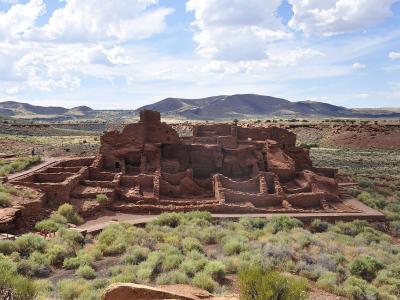
Wupatki National Monument
Stone pueblos built after the Sunset Crater eruption, including a 104-room village with a ballcourt
From $15 Historic Sites · National Parks
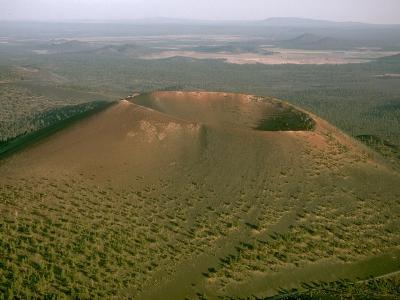
Sunset Crater Volcano National Monument
Arizona's youngest volcano, a cinder cone that erupted around 1085, with lava-flow trails at its base
From $15 National Parks · Natural Wonders
Walnut Canyon National Monument
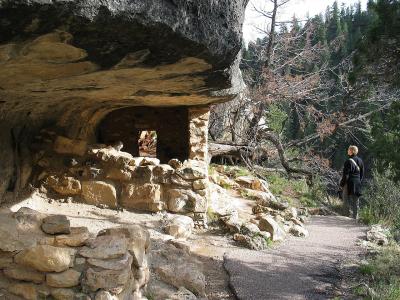
Cliff dwellings built under limestone ledges about 900 years ago, reached by a steep stairway trail east of Flagstaff
From $15 National Parks · Hiking Trails
Museum of Northern Arizona
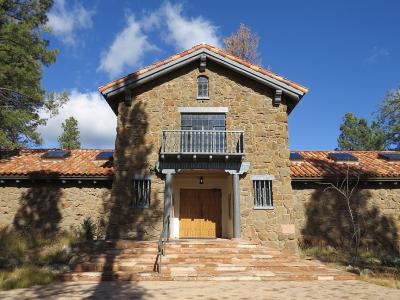
A museum of the Colorado Plateau's peoples, fossils and landscapes, founded in 1928, in a lava-rock building below the San Francisco Peaks
From $13 Museums · Dinosaurs & Fossils
Questions people ask
Quick Facts
General admission (lowell.edu, November 2026): adults 18+ $35, seniors 55+ $30, children 6-17 $20, younger children free. Admission plus a Dark Sky Planetarium show: $43 adults, $38 seniors, $28 children. Valid all day with re-entry.
Best Time to Visit
May to October for the national monuments and hiking, when days are mild; July and August bring afternoon monsoon storms. Winter brings snow, early sunsets for stargazing and occasional trail closures at Walnut Canyon.