Museum of Northern Arizona
A museum of the Colorado Plateau's peoples, fossils and landscapes, founded in 1928, in a lava-rock building below the San Francisco Peaks
- Admission
- 2026 (musnaz.org): general admission $18, seniors 65+ $16, Native Americans $13, youths 10-17 $13, children 9 and under free
- Members free. Online purchase recommended; online sales are final
- Hours
- Open daily 10 a.m. to 5 p.m.; last admission 4 p.m. Closed New Year's Day, Thanksgiving Da...
- Where
- Flagstaff, Flagstaff & Painted Desert
- Directions
- Directions
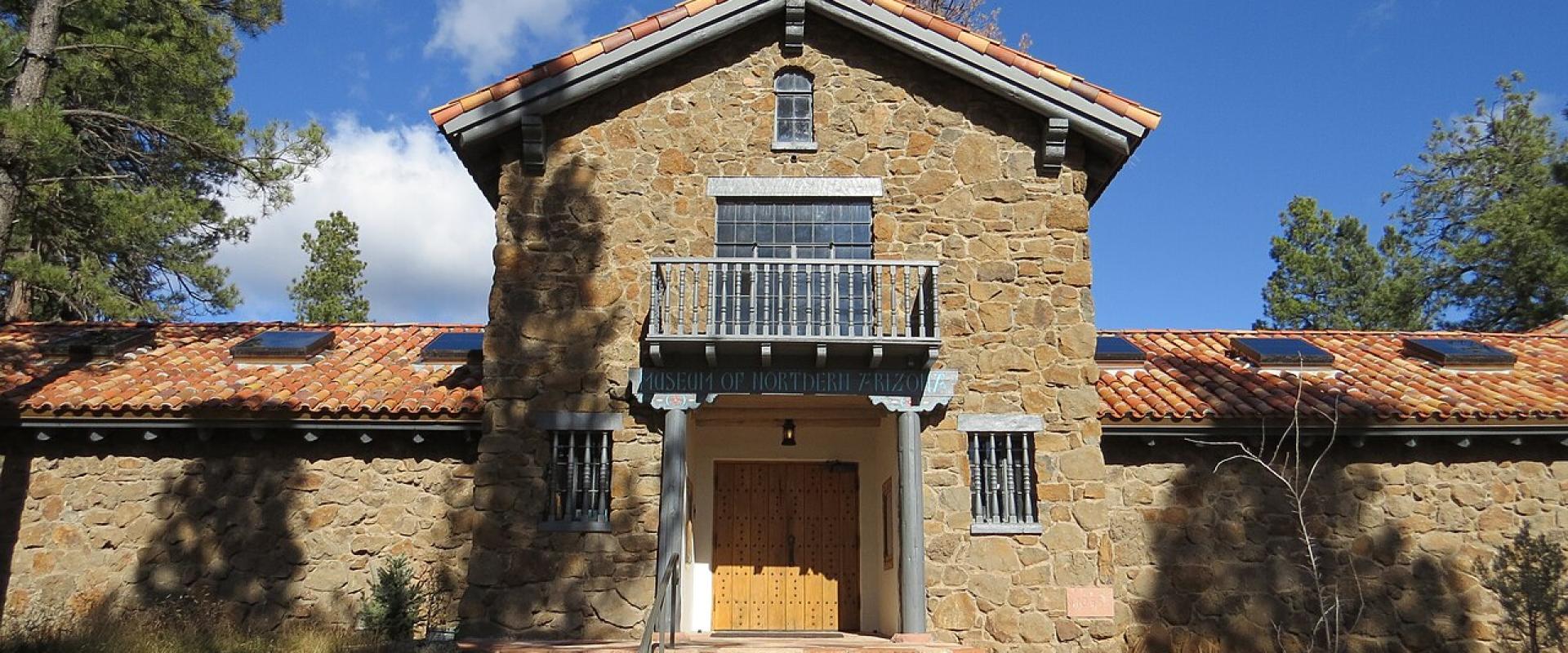
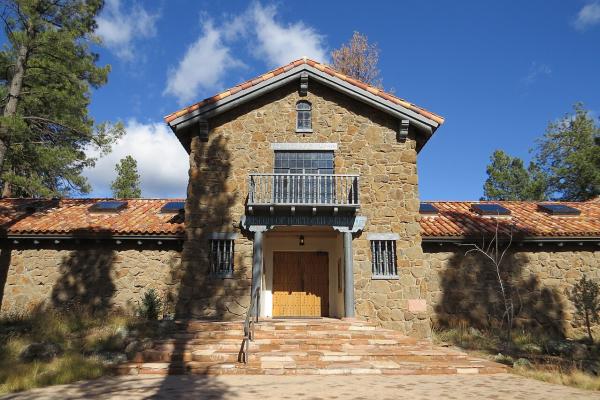
The Museum of Northern Arizona was founded in 1928 by a group of Flagstaff citizens to protect and preserve the natural and cultural heritage of northern Arizona, and it is still a private, non-profit institution, accredited by the American Alliance of Museums. Its exhibit building, made of malpais, the local lava rock, was built during the Depression, opened in the spring of 1936 and was added to the National Register of Historic Places in 1993. It stands on a 200-acre campus at the foot of the San Francisco Peaks, beside US 180, the road to the Grand Canyon.
The permanent galleries cover the Colorado Plateau from several sides: the Native peoples of the plateau, archaeology, a pottery gallery called Histories in Clay, Southwestern jewelry, geology and the plateau's life zones. The Geology Gallery has a cast skeleton of Dilophosaurus wetherilli, a meat-eating dinosaur that lived in northern Arizona about 200 million years ago, and beside it a smaller model of Scutellosaurus lawleri, one of the earliest known armored dinosaurs. Fossil footprints from the Moenkopi Formation, about 240 million years old, are shown in the courtyard and the gallery, including a trackway that a heavy-equipment operator found in November 2020 at a construction site a couple of miles down the road. A Hopi katsina doll installation, opened in January 2026 and chosen in consultation with Hopi cultural leaders, rotates every six months. Exhibitions on view in November 2026 included Wagon Road to Mother Road, about the route that became Route 66, which turns 100 on November 11, 2026.
Behind the exhibits is a research collection of more than five million Native American artifacts, natural science specimens and works of fine art, kept in the Easton Collection Center, dedicated in 2009. The museum runs occasional behind-the-scenes tours of the collections. The campus also includes the McMillan Homestead, built in 1886 by Thomas Forsythe McMillan and long considered the oldest remaining Anglo-American residence in Flagstaff, and an 1880s log potato barn. Gardens and trails are open to visitors, but much of the campus north of the highway is working space, and the museum asks visitors to respect that.
Each summer the museum holds the Heritage Festival of Arts and Culture, a Native American art market with dances and music; in 2026 it ran June 26 to 28. The shop sells Native American art and jewelry, but the museum never sells items from its permanent collections. Only trained service dogs are allowed inside, not emotional support animals.
Categories
More photos coming soon
Hours & Fees
- Open
- Open daily 10 a.m. to 5 p.m.; last admission 4 p.m. Closed New Year's Day, Thanksgiving Day and December 24 and 25 (musnaz.org, November 2026).
- Admission
- 2026 (musnaz.org): general admission $18, seniors 65+ $16, Native Americans $13, youths 10-17 $13, children 9 and under free; members free. Online purchase recommended; online sales are final.
Hours and prices change, especially out of season. Check with the venue before you go.
Nearby Attractions
Other places to visit in Flagstaff
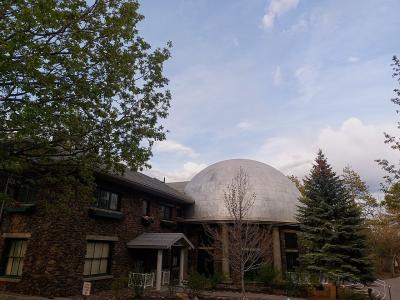
Lowell Observatory
The 1894 observatory on Mars Hill where Pluto was discovered, open afternoons and evenings for tours and telescope viewing
From $20 Historic Sites · Museums
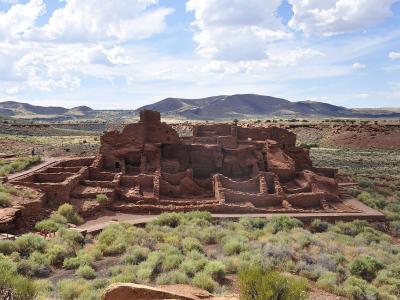
Wupatki National Monument
Stone pueblos built after the Sunset Crater eruption, including a 104-room village with a ballcourt
From $15 Historic Sites · National Parks
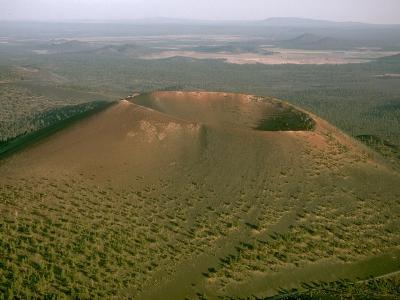
Sunset Crater Volcano National Monument
Arizona's youngest volcano, a cinder cone that erupted around 1085, with lava-flow trails at its base
From $15 National Parks · Natural Wonders
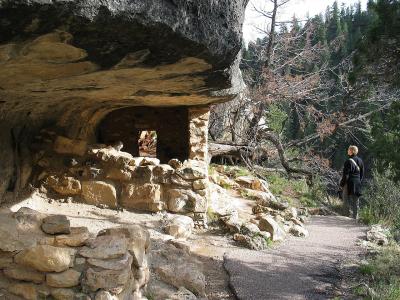
Walnut Canyon National Monument
Cliff dwellings built under limestone ledges about 900 years ago, reached by a steep stairway trail east of Flagstaff
From $15 National Parks · Hiking Trails
Questions people ask
Quick Facts
2026 (musnaz.org): general admission $18, seniors 65+ $16, Native Americans $13, youths 10-17 $13, children 9 and under free
Members free. Online purchase recommended; online sales are final.
Best Time to Visit
May to October for the national monuments and hiking, when days are mild; July and August bring afternoon monsoon storms. Winter brings snow, early sunsets for stargazing and occasional trail closures at Walnut Canyon.