
Walnut Canyon National Monument
Cliff dwellings built under limestone ledges about 900 years ago, reached by a steep stairway trail east of Flagstaff
- Admission
- 2026 (NPS): $25 per private vehicle for 1 to 7 days (Walnut Canyon only), $20 per motorcycle, $15 per person on foot or by bike, 15 and under free. The $45 Flagstaff-area annual pass covers Walnut Canyon, Sunset Crater Volcano and Wupatki. Card only
- America the Beautiful passes accepted
- Hours
- As of November 2026 (NPS): open daily 9 a.m. to 5 p.m.; entry to the Island Trail closes a...
- Where
- Flagstaff, Flagstaff & Painted Desert
- Directions
- Directions
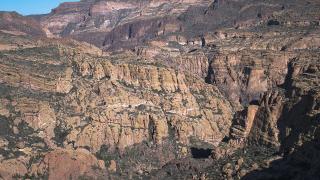
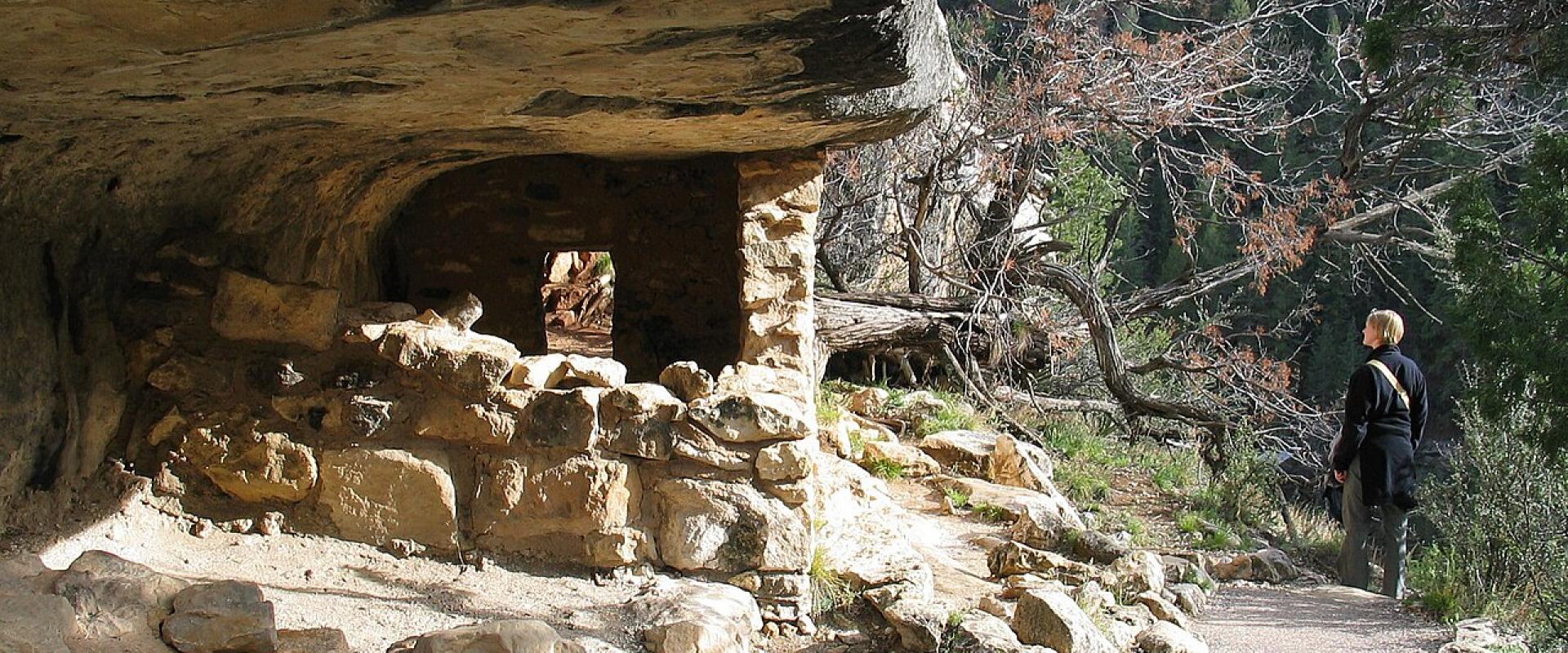
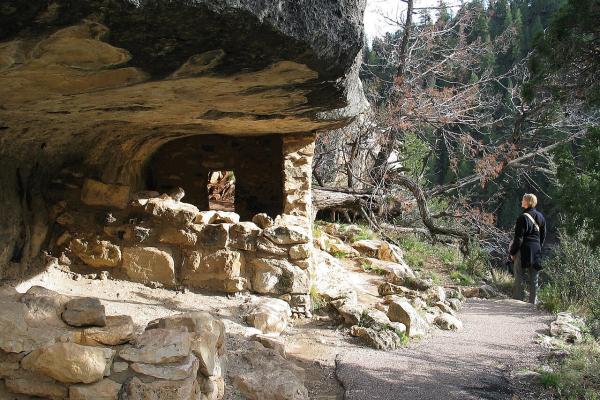
About 7.5 miles east of Flagstaff, a canyon about 20 miles long, a quarter mile wide and up to 400 feet deep cuts through the pine-covered plateau. Walnut Creek carved it, and softer layers in the Kaibab Limestone near the top wore back into shallow alcoves. Between about 1100 and 1250 CE, people that archeologists call the Sinagua built stone rooms inside those alcoves and grew corn, beans and squash on the rim above. President Woodrow Wilson proclaimed the national monument on November 30, 1915, and the National Park Service took it over from the Forest Service in 1934. It now covers about 3,600 acres.
There are two trails. The Island Trail is the main one: a paved route that descends 185 vertical feet into the canyon, loops past 25 cliff dwelling rooms and climbs back the same way, with more dwellings visible across the canyon. NPS gives its length as 1 mile round trip on one page and 0.9 mile on another, and suggests about an hour. It is rated strenuous, especially for anyone not used to 7,000 feet. Some sections have steep drop-offs, and some have no handrails. If you are uncomfortable with heights, NPS suggests the Rim Trail instead. That one is an easy, fairly level 0.7-mile round trip with two canyon overlooks, a partly rebuilt pithouse and pueblo set back from the rim, and in summer a garden of traditional Sinagua crops. An accessible overlook 150 feet from the visitor center looks across to cliff dwellings, and from there you can see the fractures in the rock that the residents used to climb to the canyon floor.
Water rarely flows here. Walnut Creek is dammed upstream for Flagstaff's water supply, and it ran through the canyon only when water topped the dams, as in 1941, 1993 and 2005. In summer, monsoon thunderstorms are common in the afternoon, so NPS recommends starting the Island Trail in the morning. In winter the trail can close for snow or ice. Backcountry hiking is not allowed. Stay on the trails, and don't climb or lean on the dwelling walls. Bring water and sturdy shoes, and keep children close where there are no handrails.
Categories
More photos coming soon
Hours & Fees
- Open
- As of November 2026 (NPS): open daily 9 a.m. to 5 p.m.; entry to the Island Trail closes at 4 p.m. and the Rim Trail should be started by 4:30 p.m. Closed December 25 and January 1, with no access to trails or viewpoints.
- Admission
- 2026 (NPS): $25 per private vehicle for 1 to 7 days (Walnut Canyon only), $20 per motorcycle, $15 per person on foot or by bike, 15 and under free. The $45 Flagstaff-area annual pass covers Walnut Canyon, Sunset Crater Volcano and Wupatki. Card only; America the Beautiful passes accepted.
Hours and prices change, especially out of season. Check with the venue before you go.
Nearby Attractions
Other places to visit in Flagstaff
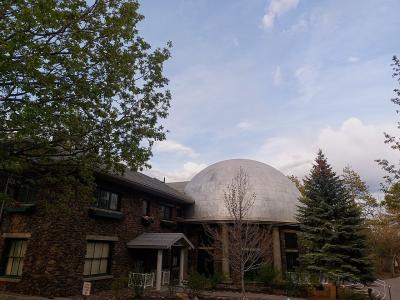
Lowell Observatory
The 1894 observatory on Mars Hill where Pluto was discovered, open afternoons and evenings for tours and telescope viewing
From $20 Historic Sites · Museums
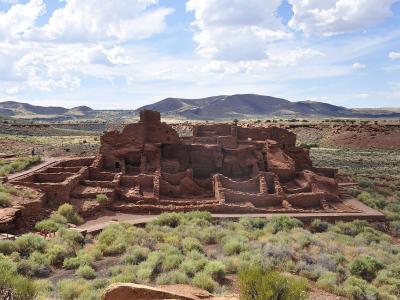
Wupatki National Monument
Stone pueblos built after the Sunset Crater eruption, including a 104-room village with a ballcourt
From $15 Historic Sites · National Parks
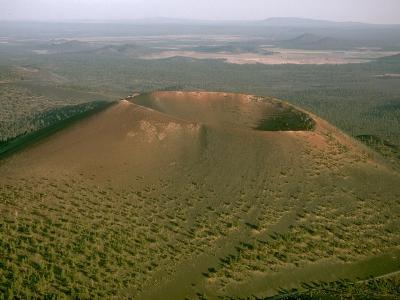
Sunset Crater Volcano National Monument
Arizona's youngest volcano, a cinder cone that erupted around 1085, with lava-flow trails at its base
From $15 National Parks · Natural Wonders
Museum of Northern Arizona
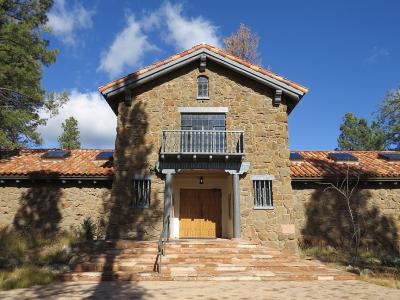
A museum of the Colorado Plateau's peoples, fossils and landscapes, founded in 1928, in a lava-rock building below the San Francisco Peaks
From $13 Museums · Dinosaurs & Fossils
Questions people ask
Quick Facts
2026 (NPS): $25 per private vehicle for 1 to 7 days (Walnut Canyon only), $20 per motorcycle, $15 per person on foot or by bike, 15 and under free. The $45 Flagstaff-area annual pass covers Walnut Canyon, Sunset Crater Volcano and Wupatki. Card only
America the Beautiful passes accepted.
Best Time to Visit
May to October for the national monuments and hiking, when days are mild; July and August bring afternoon monsoon storms. Winter brings snow, early sunsets for stargazing and occasional trail closures at Walnut Canyon.