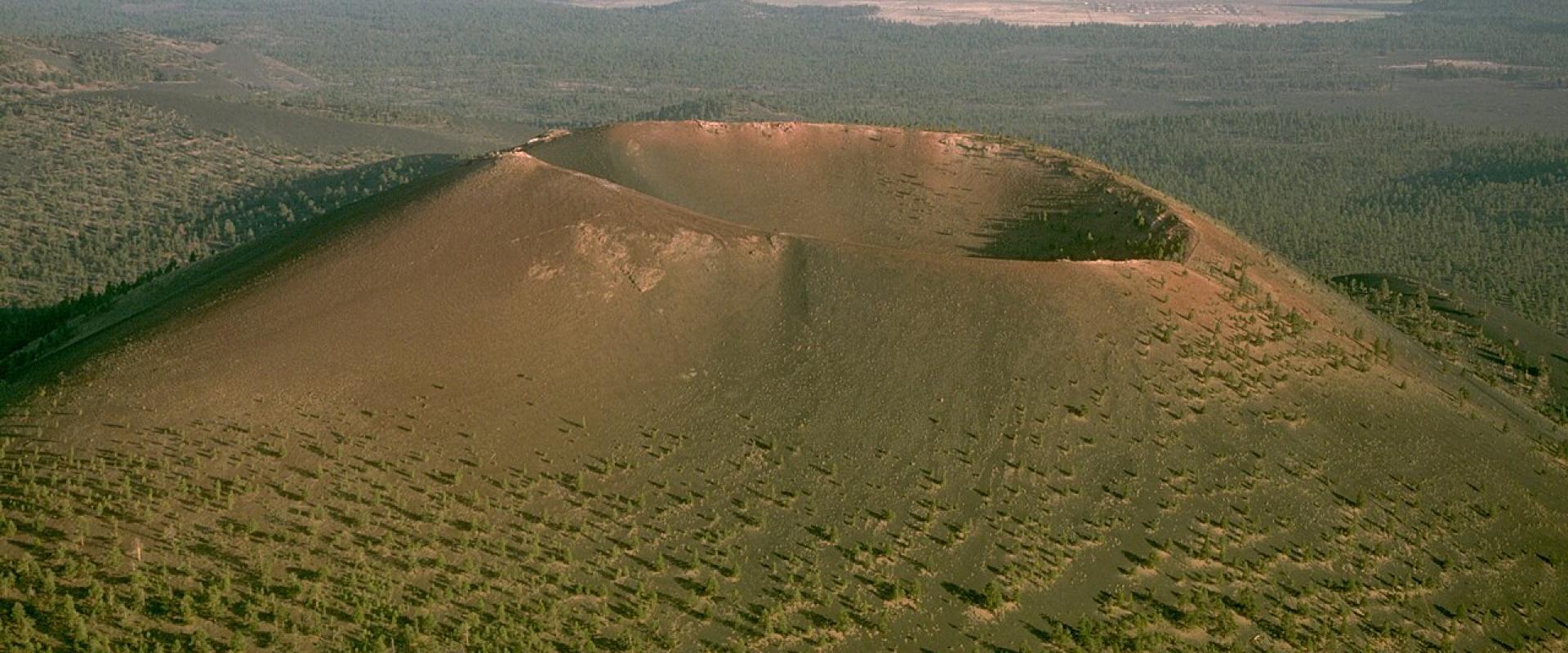
Sunset Crater Volcano National Monument
Arizona's youngest volcano, a cinder cone that erupted around 1085, with lava-flow trails at its base
- Admission
- 2026 (NPS): $25 per private vehicle for 1 to 7 days, covering both Sunset Crater Volcano and Wupatki
- $20 per motorcycle; $15 per person on foot or by bike; 15 and under free. Card only at the visitor centers. The $45 Flagstaff-area annual pass and America the Beautiful passes are accepted
- Hours
- As of November 2026 (NPS): visitor center 9 a.m. to 4:30 p.m. daily, closed Thanksgiving,...
- Where
- Flagstaff, Flagstaff & Painted Desert
- Directions
- Directions
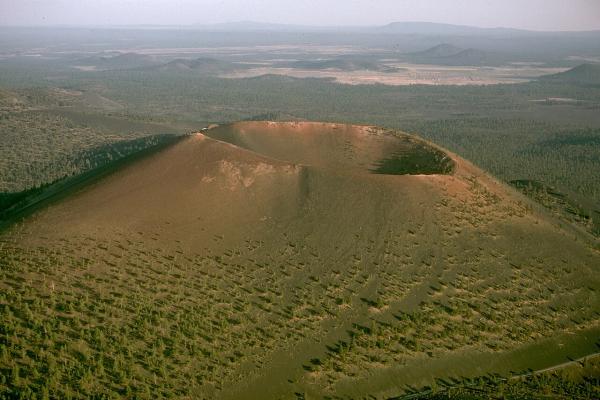
Around the year 1085, a series of eruptions north-east of present-day Flagstaff built Sunset Crater, a cinder cone whose vent stands about 1,000 feet above the surrounding land. The National Park Service describes them as the only eruptions in the Southwest that were indisputably witnessed by local people. Ash and cinders buried the ground several feet deep, lava filled two small valleys to a depth of about 100 feet, and people living nearby lost their homes. Stories of the eruption survive among their descendants today. It is the youngest volcano in the San Francisco Volcanic Field, one of around 600 in northern Arizona. Cinder cones like this usually erupt only once, so Sunset Crater is not considered active, though the volcanic field around it is.
President Herbert Hoover made it a national monument on May 26, 1930, and "Volcano" was added to the name in 1990. The monument covers 3,040 acres inside the Coconino National Forest. You cannot climb the cone. The trail to the top was closed in 1973 because thousands of hikers had worn waist-deep trenches into its slopes, and the scars can still be seen. Instead, the Lava Flow Trail makes a 1-mile loop across the Bonito Lava Flow at the base of the volcano and takes about an hour. Its upper quarter-mile loop is paved and accessible, and leashed pets are allowed on the paved section. The Lenox Crater Trail climbs a neighbouring cinder cone through ponderosa pines, 1.6 miles round trip and moderately strenuous, with views of the San Francisco Peaks from the top. The short A'a Trail shows jagged blocks of a'a lava, and the Lava's Edge Trail follows the edge of the flow for 3.4 miles round trip. Off-trail hiking is not allowed, and the lava is brittle and sharp.
The visitor center is 2 miles in from US 89. The same paved loop road continues about 20 miles north-east through juniper grassland, with views of the Painted Desert, to Wupatki National Monument, where people built pueblos in the century after the eruption. The full loop is 35 miles and takes about an hour to drive, and one entrance pass covers both monuments. The monument is above 7,000 feet, so weather can change quickly; dress in layers. On clear nights the Lava Flow Trail amphitheater, a few hundred feet from the parking lot, is a good place to see the stars. If you are looking for a giant crater in the ground, that is Meteor Crater, a separate, privately run site east of Flagstaff.
Categories
More photos coming soon
Hours & Fees
- Open
- As of November 2026 (NPS): visitor center 9 a.m. to 4:30 p.m. daily, closed Thanksgiving, Christmas and New Year's Day. The loop road and trails are open 24 hours, with occasional closures for fire season or winter weather. Arizona time (MST) all year.
- Admission
- 2026 (NPS): $25 per private vehicle for 1 to 7 days, covering both Sunset Crater Volcano and Wupatki; $20 per motorcycle; $15 per person on foot or by bike; 15 and under free. Card only at the visitor centers. The $45 Flagstaff-area annual pass and America the Beautiful passes are accepted.
Hours and prices change, especially out of season. Check with the venue before you go.
Nearby Attractions
Other places to visit in Flagstaff
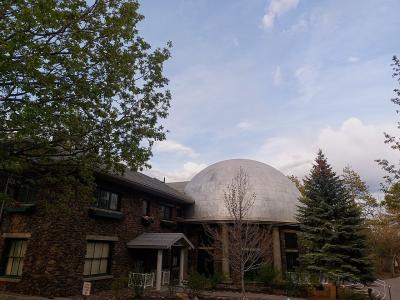
Lowell Observatory
The 1894 observatory on Mars Hill where Pluto was discovered, open afternoons and evenings for tours and telescope viewing
From $20 Historic Sites · Museums
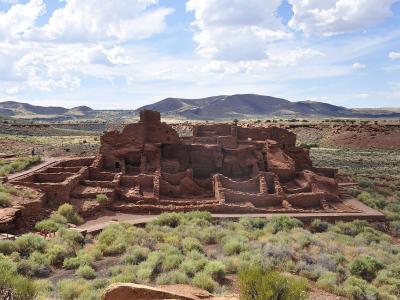
Wupatki National Monument
Stone pueblos built after the Sunset Crater eruption, including a 104-room village with a ballcourt
From $15 Historic Sites · National Parks
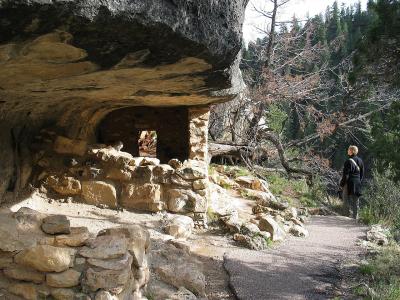
Walnut Canyon National Monument
Cliff dwellings built under limestone ledges about 900 years ago, reached by a steep stairway trail east of Flagstaff
From $15 National Parks · Hiking Trails
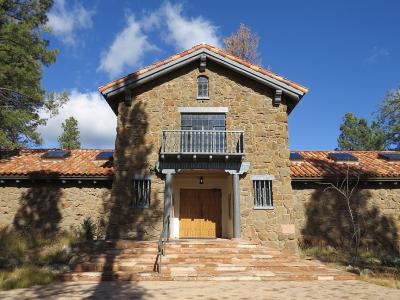
Museum of Northern Arizona
A museum of the Colorado Plateau's peoples, fossils and landscapes, founded in 1928, in a lava-rock building below the San Francisco Peaks
From $13 Museums · Dinosaurs & Fossils
Questions people ask
Quick Facts
2026 (NPS): $25 per private vehicle for 1 to 7 days, covering both Sunset Crater Volcano and Wupatki
$20 per motorcycle; $15 per person on foot or by bike; 15 and under free. Card only at the visitor centers. The $45 Flagstaff-area annual pass and America the Beautiful passes are accepted.
Best Time to Visit
May to October for the national monuments and hiking, when days are mild; July and August bring afternoon monsoon storms. Winter brings snow, early sunsets for stargazing and occasional trail closures at Walnut Canyon.