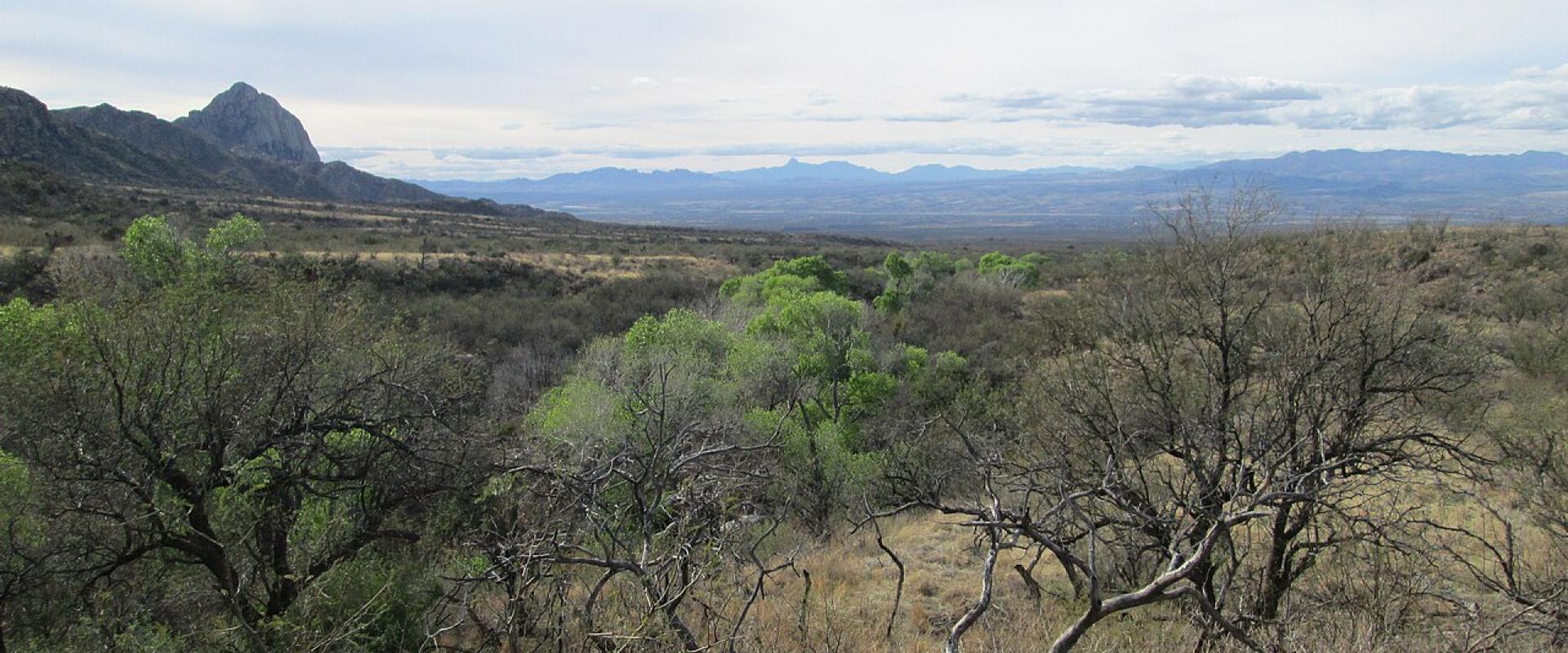
Madera Canyon
A sky-island birding canyon in the Santa Ritas, climbing from grassland to pine forest
- Admission
- $8 day fee per vehicle at the fee stations (cash, check, or card at machines at Proctor and Round Up). Interagency passes and Coronado passes ($10 weekly, $40 annual) accepted. Display on dashboard.
- Hours
- Open daily, sunrise to sunset, according to Friends of Madera Canyon.
- Where
- Tubac, Tucson & Saguaro
- Directions
- Directions
Birders travel across the world to this north-facing canyon in the Santa Rita Mountains. Friends of Madera Canyon, a volunteer-led nonprofit, counts over 250 bird species here, including 15 hummingbirds, with the elegant trogon the most sought-after of all. The road climbs from about 2,700 feet in the Green Valley desert to about 5,500 feet, where temperatures run about 20°F cooler, and trails carry on to the top of Mount Wrightson at 9,453 feet.
The canyon is easy to read from bottom to top. Proctor, the first parking area, has a small visitor information station staffed by volunteers and a paved accessible trail along Madera Creek, about 1/8 mile each way. Whitehouse, with a group ramada, comes next, followed by the Madera picnic area, the lodge with its popular bird feeders, the Amphitheater and finally the Mt. Wrightson Picnic Area, where the main trailheads are. Fees are the same anywhere, but pay where you park.
For birds, migration is best, from March to May and August to November. Elegant trogons are most reliably found from April to early October in the Madera picnic area and higher, especially along the lower Carrie Nation Trail, which is steep and rocky. Please keep your distance, since their nests are easily disturbed. The Forest Service does not allow bird call recordings. You do not need to walk far: the feeders at the lodge are close to the road, and nighttime is worth trying too, with several owls calling in May.
Hikers should try the Madera Creek Trail, which gains 550 feet over 1.7 miles between Proctor and Amphitheater. Serious walkers head for the Old Baldy and Super trails toward Josephine Saddle and Mount Wrightson, which need boots, layers and plenty of water. Trail maps are available at trailheads. Skip the so-called Hidden Waterfall, which has no trail and has caused falling injuries.
Monsoon storms from early July into September can arrive suddenly over the rim, with hail and flooding in the washes. In winter expect snow above 5,000 feet. Bears and rattlesnakes live here, and poison ivy, chiggers and mosquitoes are all present, so pay attention to where you step. People have been coming here for a long time: lumber was the first commercial activity, a resort opened in 1922, and the CCC built rock walls in the 1930s that remain in place. Smoking is banned outside cars and picnic sites, and fires are allowed only in the grills.
We could not read the Forest Service's own Madera Canyon page, so these details come from the Friends group. Confirm fees and any closures with the Coronado National Forest.
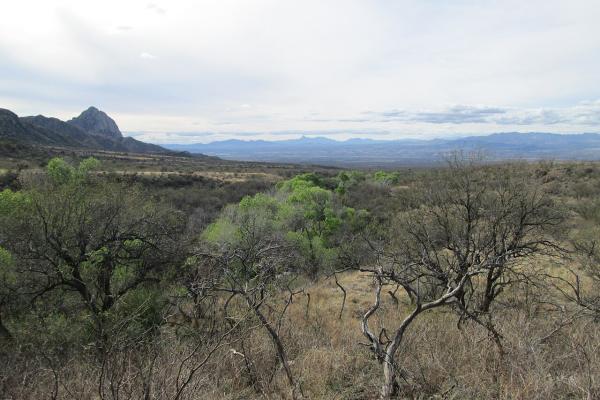
More photos coming soon
Hours & Fees
- Open
- Open daily, sunrise to sunset, according to Friends of Madera Canyon.
- Admission
- $8 day fee per vehicle at the fee stations (cash, check, or card at machines at Proctor and Round Up). Interagency passes and Coronado passes ($10 weekly, $40 annual) accepted. Display on dashboard.
Hours and prices change, especially out of season. Check with the venue before you go.
Nearby Attractions
Other places to visit in Tubac
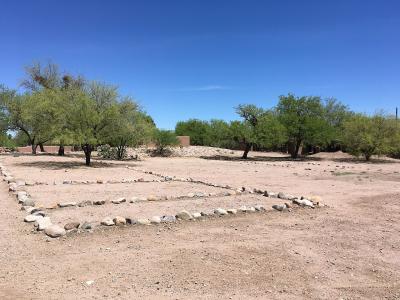
Tubac Presidio State Historic Park
The ruins of Arizona's oldest Spanish presidio, and the state's first state park
From $3 Historic Sites · Museums
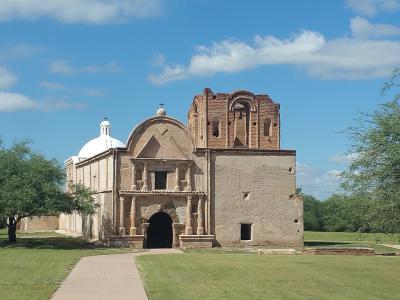
Tumacácori National Historical Park
An unfinished Franciscan mission church in the Santa Cruz Valley, its bell tower never completed
From $10 Historic Sites · National Parks
Questions people ask
Quick Facts
$8 day fee per vehicle at the fee stations (cash, check, or card at machines at Proctor and Round Up). Interagency passes and Coronado passes ($10 weekly, $40 annual) accepted. Display on dashboard.
Best Time to Visit
October to April, when the weather is mild; the Tubac Festival of the Arts takes place in February.