
Tubac Presidio State Historic Park
The ruins of Arizona's oldest Spanish presidio, and the state's first state park
- Admission
- Adults 14+ $10, ages 7-13 $3, 6 and under free. Visitor center free. Discounts for military, first responders and teachers.
- Hours
- Tue-Sun 9 a.m.-3 p.m.; closed Mondays and December 25.
- Where
- Tubac, Tucson & Saguaro
- Directions
- Directions
Arizona's state park system began here: Tubac Presidio opened on September 28, 1958, after local residents, led by Frank and Olga Griffin, donated the first land. The 11-acre park protects what remains of San Ignacio de Tubac, the oldest Spanish presidio site in Arizona, set up in 1752 in the wake of the O'odham uprising of 1751. Only two other presidios ever existed in Arizona, and one of those now lies under downtown Tucson.
The garrison's second commander, Juan Bautista de Anza, is the name to know. In 1775 he led 240 colonists from Sinaloa and Sonora, 63 of them from Tubac, and over 1,000 head of livestock on the expedition that founded San Francisco in 1776. The garrison left for Tucson soon afterwards, and the Tubac that a boundary surveyor saw in the 1850s was "half-deserted, half in ruins". Then Charles Poston arrived with miners in 1856 and made the old presidio the headquarters of his Sonora Mining and Exploring Company.
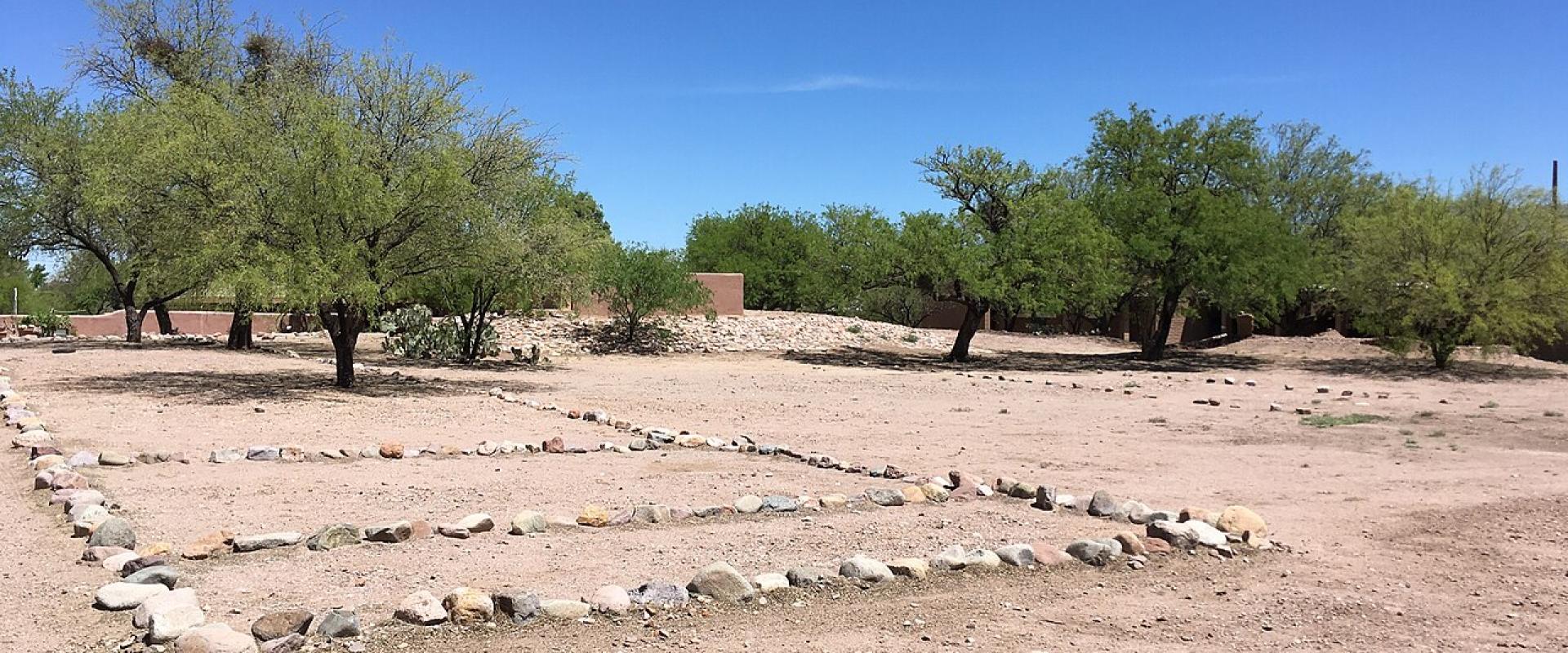
The excavation exhibit is the core of a visit. Archaeologists from the University of Arizona and the Arizona State Museum dug part of the site in 1974, and you can see the foundation, walls and plaza floor of the commandant's quarters in place. The museum holds Native, Spanish colonial, mining, ranching and territorial material, along with the Washington hand press that printed Arizona's first newspaper, the Weekly Arizonan, in 1859.
Other buildings show later Tubac. The 1885 schoolhouse is the second oldest in Arizona, and you can sit at its desks. Otero Hall dates from 1914, and the adobe Rojas House still has the furnishings of Luisa Rojas, who was born there in 1893 and lived there until the early 1980s. The eight gardens include an ethnobotanical garden and Kino's herb garden, and there are picnic tables at the south end of the park. Please stay on the paths and do not touch or climb on the adobe ruins.
The park is also the northern trailhead for a 4-mile section of the Anza Trail to Tumacácori, which crosses the Santa Cruz River twice, so call ahead in the rainy season. Horses are allowed, motor vehicles are not. Leashed pets may use the grounds but are barred from most buildings. Entry to the visitor center alone is free.
Categories
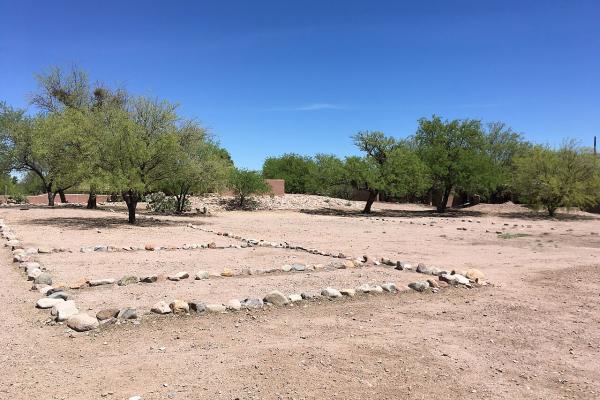
More photos coming soon
Hours & Fees
- Open
- Tue-Sun 9 a.m.-3 p.m.; closed Mondays and December 25.
- Admission
- Adults 14+ $10, ages 7-13 $3, 6 and under free. Visitor center free. Discounts for military, first responders and teachers.
Hours and prices change, especially out of season. Check with the venue before you go.
Nearby Attractions
Other places to visit in Tubac
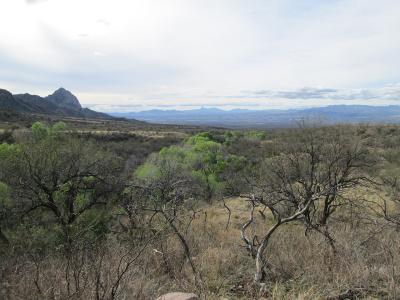
Madera Canyon
A sky-island birding canyon in the Santa Ritas, climbing from grassland to pine forest
From $8 Outdoor Recreation · Wildlife Viewing
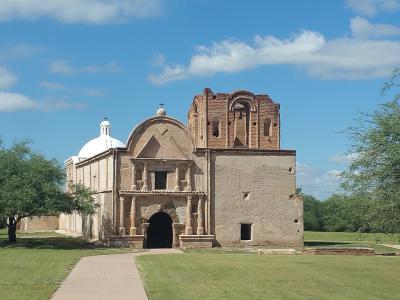
Tumacácori National Historical Park
An unfinished Franciscan mission church in the Santa Cruz Valley, its bell tower never completed
From $10 Historic Sites · National Parks
Questions people ask
Quick Facts
Adults 14+ $10, ages 7-13 $3, 6 and under free. Visitor center free. Discounts for military, first responders and teachers.
Best Time to Visit
October to April, when the weather is mild; the Tubac Festival of the Arts takes place in February.