

Tumacácori National Historical Park
An unfinished Franciscan mission church in the Santa Cruz Valley, its bell tower never completed
- Admission
- $10 per adult 16+, valid 7 days
- Under 16 free. Annual pass $35. Cards only, no cash
- Hours
- Daily 9 a.m.-5 p.m.; closed Thanksgiving Day and Christmas Day.
- Where
- Tubac, Tucson & Saguaro
- Directions
- Directions
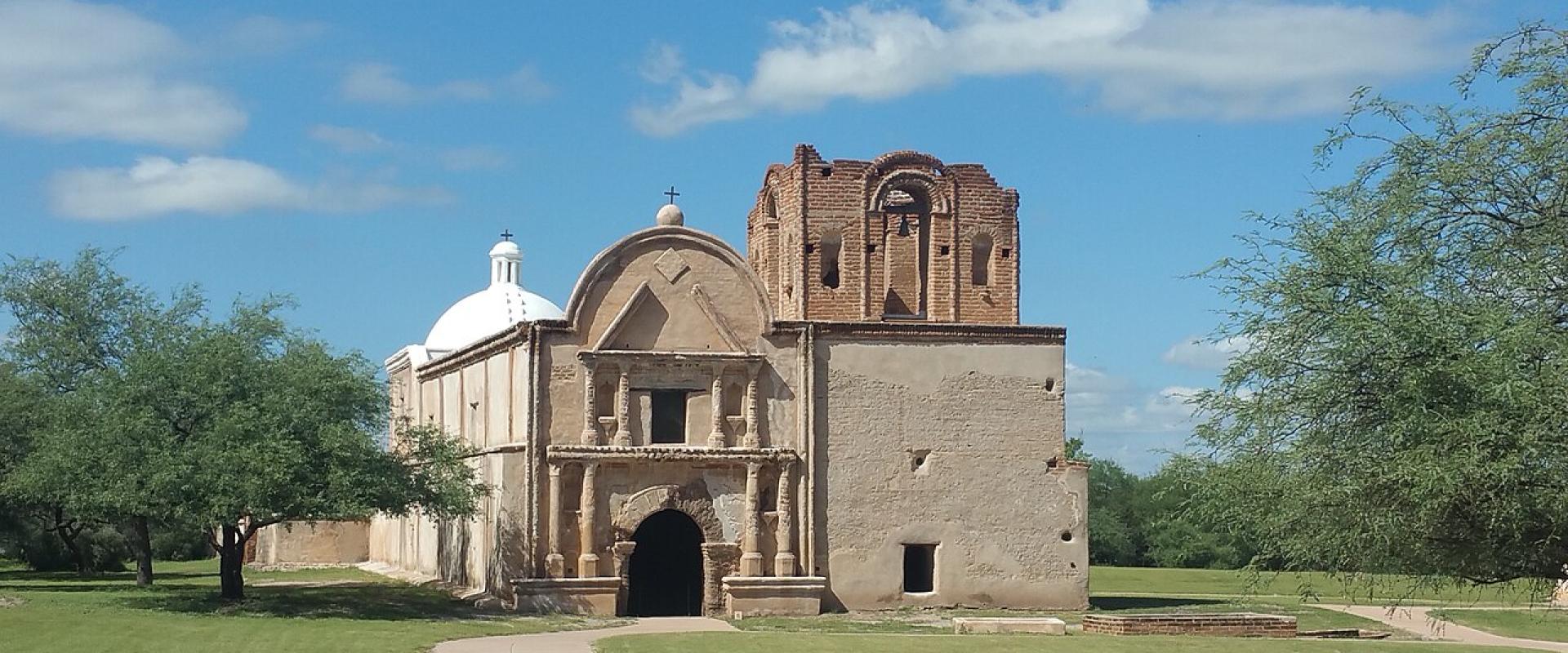
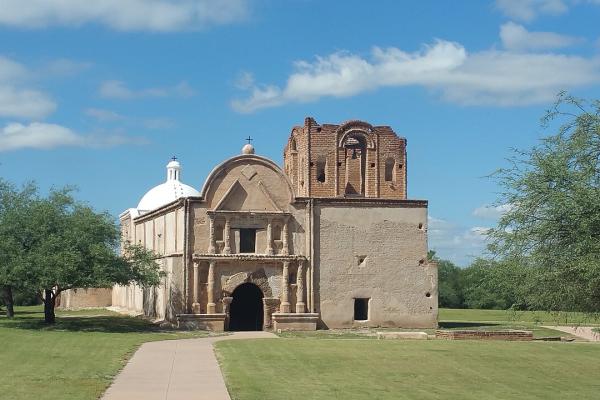
Tumacácori's bell tower was never finished. The holes left by its scaffolding are still there, and the fired brick of the arches never got its plaster, because the money and the priests ran out before the work was done. The end of the mission era is plain to see here. The park protects the ruins of Mission San José de Tumacácori, along with the more remote Guevavi and Calabazas sites, and it has been federally protected since 1908.
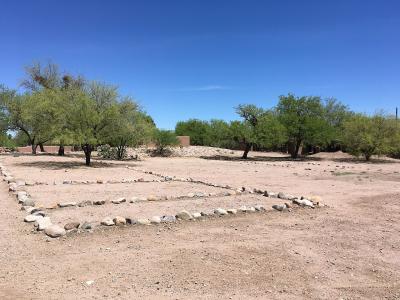
The Jesuit Father Kino first said Mass here in January 1691, under a ramada built by the O'odham people already living on the river. After the Pima Revolt of 1751, the village moved to this bank of the Santa Cruz, near the new presidio at Tubac, and a small church went up. You can still see the outline of its foundations. Franciscans replaced the Jesuits in 1768 and began the large church around 1800, with poverty, the Mexican wars and raids repeatedly stopping the work. In 1848, after Apache attacks and a hard winter, the last residents left.
A self-guided walk takes you through all of this, with markers keyed to the park's online tour. The church façade once had red columns and yellow capitals and blue statue niches, and traces of original paint survive by the door. Inside the nave there were never pews, and the park invites you to try singing in the former choir area to hear the acoustics. In the sacristy, gold-rush travellers and soldiers left their names on the walls. The cemetery's round mortuary chapel stands among burial grounds used into the 20th century, the last burial being of a nine-month-old in 1916. The orchard, replanted in 2007, grows from cuttings of old regional trees, and a traditional O'odham house was built here in 1997 by O'odham from the San Xavier community.
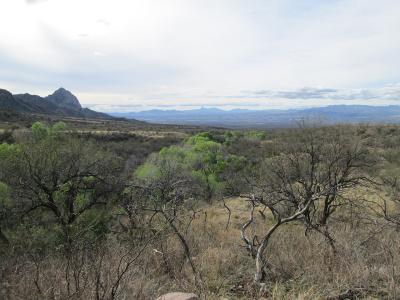
There is a good walk beyond the ruins. Over a mile of the Santa Cruz River is inside the park, and the Anza Trail runs through mesquite woodland toward Tubac, about 4 miles away. The river's flow here is largely treated effluent and not safe to touch, so stay out of the water. The birding is good, including habitat for threatened yellow-billed cuckoos.
The visitor center has a museum and a 17-minute film, and the grounds, museum and restrooms are wheelchair accessible. Guided tours to Guevavi and Calabazas run by reservation in January, February and March. Those sites are not otherwise open. The park takes cards only.
More photos coming soon
Hours & Fees
- Open
- Daily 9 a.m.-5 p.m.; closed Thanksgiving Day and Christmas Day.
- Admission
- $10 per adult 16+, valid 7 days; under 16 free. Annual pass $35. Cards only, no cash.
Hours and prices change, especially out of season. Check with the venue before you go.
Nearby Attractions
Other places to visit in Tubac
Questions people ask
Quick Facts
$10 per adult 16+, valid 7 days
Under 16 free. Annual pass $35. Cards only, no cash.
Best Time to Visit
October to April, when the weather is mild; the Tubac Festival of the Arts takes place in February.